This feed aggregator is part of the Planet Atlantides constellation. Its current content is available in multiple webfeed formats, including Atom, RSS/RDF and RSS 1.0. The subscription list is also available in OPML and as a FOAF Roll. All content is assumed to be the intellectual property of the originators unless they indicate otherwise.
If you’re looking how to not go stir crazy, sitting at home (WHERE YOU SHOULD BE, WASHING YOUR HANDS OFTEN!), and want some historical perspective on what’s going on, check out Louise Hitchcock’s very interesting podcast on the Bronze Age collapse and its parallels with what’s going on today:
I hope you and yours are all healthy, and that you are managing in these crazy and scary times.
Here is a short update on what’s happening regarding the 2020 summer season at Tell es-Safi/Gath.
I was just in contact with my dean and my department chair, and they both recommended that a final decision about the season be taken after Passover (which ends on April 16th), as all the decisions on activities relating to Bar-Ilan University, at this point, are up until that date.
That being said, I’m not very optimistic about the possibility of conducting the season – whether with all participants who can come (from Israel and abroad), and even if only with BIU participation. From what I understand, there are very good chances that the official limitations on university and general public activities in Israel (as in my countries) will continue for many months more.
Already, several of the foreign teams have announced that their home institutions have cancelled all summer programs, including participation in the dig.
So what does this all mean?
1) I will notify as soon as there is a decision – whether the dig is cancelled or not, or perhaps to be conducted in a small format.
2) If it is cancelled, all those who have paid their participation fees will be reimbursed (save for the registration fee).
3) If, in the end, we do have a season, if any of you would like to come on their own, not as part of a team whose institution has cancelled the official participation, we will be able to discuss this when it is relevant.
In the meantime, may I wish you all health, safety and calmness, and may we soon see the light at the end of this ominous tunnel – and come out of it stronger!
And finally, make sure you follow the health and safety instructions, to keep you, and your family and friends, safe!
And the ark of the Lord was in the country of the Philistines seven months. And the Philistines called for the priests and the diviners, saying, What shall we do to the ark of the Lord? tell us wherewith we shall send it to his place. And they said, If ye send away the ark of the God of Israel, send it not empty; but in any wise return him a trespass offering: then ye shall be healed, and it shall be known to you why his hand is not removed from you. Then said they, What shall be the trespass offering which we shall return to him? They answered, Five golden emerods, and five golden mice, according to the number of the lords of the Philistines: for one plague was on you all, and on your lords. Wherefore ye shall make images of your emerods, and images of your mice that mar the land; and ye shall give glory unto the God of Israel: peradventure he will lighten his hand from off you, and from off your gods, and from off your land. Wherefore then do ye harden your hearts, as the Egyptians and Pharaoh hardened their hearts? when he had wrought wonderfully among them, did they not let the people go, and they departed? Now therefore make a new cart, and take two milch kine, on which there hath come no yoke, and tie the kine to the cart, and bring their calves home from them. And take the ark of the Lord, and lay it upon the cart; and put the jewels of gold, which ye return him for a trespass offering, in a coffer by the side thereof; and send it away, that it may go. And see, if it goeth up by the way of his own coast to Bethshemesh, then he hath done us this great evil: but if not, then we shall know that it is not his hand that smote us: it was a chance that happened to us. And the men did so; and took two milch kine, and tied them to the cart, and shut up their calves at home. And they laid the ark of the Lord upon the cart, and the coffer with the mice of gold and the images of their emerods.
Due to the COVID-19 crisis, the annual archaeological congress in Israel, which was supposed to be held at Bar-Ilan University on Thursday, April 2, 2020, has been called off, for the time being.
We can but hope that we will all get over this crisis as soon as possible, and return to our regular personal and professional lives!
I hope this finds you and yours in the best of health!
In light of the uncertainty that we are all, globally, living with nowadays, due to the Corona Virus (COVID-19), and in light of questions that have come up, I wanted to give a quick update regarding the coming season at Tell es-Safi/Gath (June 28-July 24, 2020).
As of now, I don’t have a definite answer whether or not the season will be conducted as planned. This is of course dependent on what happens in the world, and in Israel, with the possible continued spread of the virus, and related travel restrictions, quarantines, etc.
The Bar-Ilan University management cannot at this point provide a clear yes or no answer on whether or not the excavation will be OKed, and whether foreign team members will be allowed to enter Israel and/or participate in the excavations. I was told that there is a constant daily update, on a university and a national level, regarding various activities related to the university. Needless to say, the season will be conducted only if it is authorized by all the relevant university and national authorities.
The health and safety of all the Safi team members is my top priority, so the season will only be conducted if there are no health hazards involved!
I was told that in all likelihood, a final answer, whether or not the season will be OKed, will not be provided before mid-April. There are simply too many unknowns at this stage to be able to decide.
Thus, as far as the team is concerned:
1) If you have not yet bought your tickets, don’t do this yet, unless you can get tickets that can be refunded until late April/early May.
2) If you have paid for the excavation, and it is cancelled, your payment will be fully refunded (save for the $50 registration fee). This is true in any case, until May 1st, and due to the unique situation that we are in this year, it will be extended to June 1st, 2020.
I will continue updating you with any new information that I will receive.
I do hope that the Corona virus will be contained in the very near future, both for the general health and well-being of humanity world over, and also so that we can conduct the 2020 season as planned!
A short article just appeared in BAR on the various suggestions for the dating of the so-called “Hezekiah’s Tunnel” in Jerusalem. Among the various opinions that are noted, Jeff Chadwick (Area D East Supervisor) and Aren are mentioned, as supporting the traditional, late 8th century dating, connecting it to the preparations by Hezekiah, for Sennacherib’s siege in 701 BCE.
Louise Hitchcock (Melbourne), long time core-staff team member at Safi, has put out a very nice piece on the ancient Near Eastern influences on classical Greek culture.
Check it out!
And here’s a picture of Louise as the Potnia of Area A! :-)
Prof. Joaquín Mauricio Moya G. is the coordinator for Latin America for the 2020 season at Tell es-Safi/Gath. If you are from Latin America and wish to join Prof. Joaquín’s team this coming summer, please contact him based on the information below.
Today, in an article in the TOI, the wrote about a recently refound biblical text, from the Moussa Deri Synagogue in Cairo. What I didn’t know is that the synagogue itself was built in the form of a 4 horned altar!
So here’s a picture of the synagogue, and right below it, our 2 horned altar from Safi!
Now let’s find another altar at Safi this year! :-)
Just a reminder that NOW is the time to sign up for the 2020 season at Tell es-Safi/Gath, which this year will be conducted from June 28th to July 24th. Join us in a fascinating, enjoyable and enriching experience, uncovering the remains of the Bronze and Iron Age remains of the various cultures and people who inhabited this fascinating site over the millennia (Philistines, Judahites, Canaanites, etc.).
Registration is open until May 1st, 2020. For the online registration and additional information, go here.
And remember! The 2020 and 2021 seasons will be the large seasons of large scale excavation at the site for the project. While research will continue (and perhaps limited excavations of very specific aspects), the coming and next seasons are your last opportunity to participate in this fascinating and groundbreaking project, which has been a leader and innovator in field archaeology in the last two decades. Don’t miss the chance to join our team – and participate in something that you will remember and cherish for years to come!
This is a first notice and invitation to a full-day seminar (hosted by the Department of Land of Israel Studies, the Institute of Archaeology, and Minerva RIAB Center, of Bar-Ilan University) on
“Material Religion in the Ancient Near East”
by Prof. Nicola Laneri (Università degli studi di Catania and School of Religious Studies at CAMNES/Lorenzo de’ Medici, Florence)
to be held at Bar-Ilan University on Thursday, June 4th, 2020
Description: The seminar will follow an innovative material-oriented approach within which the materiality of the remains of ancient ritual actions (i.e., relics of human body, senses, objects, built environment, natural phenomena and animals, utterance) will be viewed and interpreted as part of a complex network of relationships between forms of materiality and beliefs in supernatural beings (i.e., ancestors, spirits, creation of a cosmos of deities, belief in one god) among ancient Near Eastern communities from 12.000 years ago until the first millennium BCE. In particular, after a broad methodological and theoretical introduction, some case-studies (e.g., the relics of the cult of the ancestors in prehistoric Near East, the temples of ancient Mesopotamia during the fourth and third millennia BCE, an early second millennium BCE ceremonial complex in southeastern Turkey, and, finally, the rise of monotheism in Israel during the first millennium BCE) will be tackled in order to further understand the role played by materiality in framing the evolution of the religious mind of ancient Near Eastern societies.
A one day conference dealing with cult and related issues in the EB and IB, will be held at Bar-Ilan University on Thursday, May 21, 2020.
The initiative and organization of the conference is by Safi team members, Shira Kisos and Kristina Reed.
The conference will be a joint activity of the Martin (Szusz) Department of Land of Israel Studies and Archaeology, the Institute of Archaeology, and the Minerva RIAB Center, all of Bar-Ilan University.
See her a PDF with the details and registration form (and a JPG of the call as well):
Next week – Itzick will be delivering a paper entitled “Economic life of an Iron Age Judahite Town: A View from Tel Burna” at the the 16th Conference of Environmental Archeology (Tuesday, January 28th, 10:30) at the Czech University of Life Sciences in Prague. If you are in the neighborhood – come check it out!
Anyone longing for another (or their first) iconic Safi project t-shirt from one of the previous seasons? If so, we are selling t-shirts at the crazy price of $5 per shirt, including postage! If you are interested – send me a message!
Bryton Smith, who was a Safi team member in 2018 and 2019, informed me of a very nice interview that he conducted with Jill Katz (long time Safi core staff member and Area Y supervisor) that appeared in the blog of the Oberlin Archaeology Society.
This last weekend, Jane gave a presentation (co-authored with myself and Itzick) at the annual meeting of BANEA (the British Association of Near Eastern Archaeology) on the different digital methods we used in recording the excavations. Here is a link to the schedule. Way to go Jane!
Full title:
Gaastra, Jane, McKinny, Chris, Shai, Itzhaq; 2020: The death of paper recoding? Implications of advances in digital documentation systems in archaeological excavation. BANEA
Abstract:
Digital documentation and excavation recording technologies have seen gradual incorporation into archaeological research since the new millennium. Over the last ten years of excavation at Tel Burna (Israel), the incorporation of new techniques and technologies has streamlined the excavation recording and finds documentation process. In the absence of spare funds for more common items of digital site recording equipment (e.g. laser scanning or total station) the excavation team has integrated the widely available software packages Agisoft Metashape and PlanGrid into field documentation. With a few simple tweaks this has created a low-cost and high-precision integrated documentation system which has allowed the excavation process to become fully paperless. In the light of our experience with the incorporation of digital methods into the excavation and recording process at Tel Burna, alongside those of other excavations across the Near East, we review the pros and cons of paperless excavation methods and the need (or lack thereof) for hard-copy documentation in the excavation process.
Here is a nice sight for all of those dry, dusty summer excavation days in June and July – water running through Nahal Guvrin! (Photos courtesy of Oren Ackermann)
Tel Burna from north with rain water running through Nahal GuvrinNahal Guvrin with running waterTel Zayit with running water
The recent extraordinary rainfall event over the last few days, with its blessings (much needed water) and its curses (several people lost their lives…), had its effect on the vicinity of Tell es-Safi/Gath as well.
Oren Ackermann, the Safi project geomorphologist, just sent me some photos and clips of the water flowing right now (Friday morning, Jan. 10, 2020) in the Elah River at the base of the tell, just to the north of the lower city. For those of you who know the site only during the summer, when the river bed is bone dry, here is a very different view of what the site looks like!
Check out these great photos and clips! (Thank you Oren!!)
As the height of these waters is so unusual, and almost “biblical,” let me “harp a little”, and here are a couple of things that come to mind… (and you’ll excuse my dramatization…)
Thou didst blow with thy wind, the sea covered them: they sank as lead in the mighty waters (Ex 15:10)
The river Kishon swept them away, the age-old river, the river Kishon. March on, my soul, be strong! (Judg 5:21)
If you are looking for funding to excavate this summer – ASOR and BAS (dig listing here) have recently posted links to excavation fellowships and scholarships. Over the years, we have had a number of folks receive funding from these sources. Why not you?!?
Registration for the dig is here. Come help us find more of the Canaanite and Judahite city of Libnah!
If you are looking for financial assistance to join the Safi team this summer, why don’t you try applying for a dig scholarship from the Biblical Archaeology Society?
I’m happy to announce, and provide the link, for a just-published article, in which the protocol that we developed for sampling and isolating yeast cells from ancient clay vessels is detailed.
The full reference to this article is:
Aouizerat, T., Maeir, A. M., Paz, I., Gadot, Y., Szitenberg, A., Alkalay-Oren, S., Coppenhagen-Glazer, S., Klutstein, M., and Hazan, R. 2020. Isolation and Characterization of Live Yeast Cells from Ancient Clay Vessels. Bio-Protocol 10(1): https://doi.org/10.21769/BioProtoc.3473.
This protocol was successfully used by our team in a previously published paper (which has been mentioned previously):
Aouizerat, T., Gutmana, I., Paz, I., Maeir, A. M., Gadot, Y., Gleman, D., Szitenberg, A., Drori, E., Pinkus, A., Schoeman, M., Kaplan, R., Ben-Gedalya, T., Coppenhagen-Glazer, S., Reich, E., Saragovi, A., Lipschits, O., Klutstein, M., and Hazan, R. 2019. Isolation and Characterization of Live Yeast Cells from Ancient Vessels as a Tool in Bio-Archeology. MBio 10:e00388–19.
I hope this will be of utility to other archaeological teams!
Brent Davis (Melbourne), long time core staff member of the Safi project (and currently directing Area B in the lower city) has been kind enough to send me two great pictures, taken at the end of the 2013 season at Tell es-Safi/Gath, when we were taking final pictures in Area A, in the late afternoon/early evening.
A full moon was out, in the sky to the east of the site, and Brent managed to catch me and the moon in two great views. In one, I’m holding the orb in one hand and in the other, I’m sort of posing as Hathor…
The Tell es-Safi/Gath Archaeological Project, and its finds, are in a few more end of year lists that have just come out.
In the Times of Israel, Amanda Borschel-Dan lists what she sees as the ten significant finds of 2019. And guess what? Safi is in two of them!! The first one is the massive fortifications of early Iron Age Gath; and the second one is mention of the joint study in which we isolated ancient yeast, including from beer vessels from Philistine Gath! 2 out of 10!!!
In an article in “Watch Jerusalem”, there is also a list, this time of six major finds, and Safi is also in them, with the massive Iron I fortifications.
Not bad at all!
Happy New Year to all!
And here is a picture of the massive Iron I fortifications:
Today, the Safi lab team had a City of David “fun day.” The Safi team met at the City of David in Jerusalem for a half day tour of some of the more recent finds in various parts of the site.
We started with a great tour of the “Givati Parking Lot” excavations, by Prof. Yuval Gadot (TAU). Particularly impressive were the recently discovered Iron Age IIB/C remains, including some really cool contexts of the 586 BCE destruction.
We then continued for about 4 hours in various parts of the City of David with Dr. Joe Uziel (IAA) and got a fascinating tour of MB, Iron II and Roman-Byzantine finds from various parts of the site.
Once the tour was over, part of the group went for lunch in the Mamilla mall, just outside Jaffa Gate.
Really nice day! See below some pictures in the various areas that we visited.
Congratulations and Mazal Tov to Emily Grant and Micah Heyer, who just celebrated their marriage in Australia. Emily and Micah met when they were team members in the 2017 season at Tell es-Safi/Gath.
May I wish you, in the name of the entire Safi team, of all generations, a happy and meaningful life together!
P.S. Emily and Micah are the most recent of a long line of couples who met at Safi and subsequently got married! Yet another reason to join the Safi team! :-)
A list of seven recommended archaeological excavations throughout the world where one can volunteer has appeared. And lo and behold (not surprised at all) – the Safi excavations are the first in the list and the only one from the Middle East!
The definitely know their stuff…:-)
(Do note that contrary to what is written there, food is included with the fee for participation…)
BTW – they do include a dinosaur excavation in the list – AND FOR THE UMPTEENTH TIME – ARCHAEOLOGISTS DON’T DIG DINOSAURS!!!! :-)
“In Jurassic Park, the dinosaurs eat the scientists,” he said. “Here, the scientists drink the dinosaurs,” said Aren Maeir, an archaeologist from Bar-Ilan University.
And if I may note, I had nothing to do with choosing this, or any of the other four “moments” for the list! I’m just passing it on…:-)
As mentioned previously, Rona’s excellent book on children and childhood in antiquity was recently published.
Today, a very nice article, by Nir Hasson, appeared in Haaretz (in Hebrew) summarizing the main issues in the book, based on his interview with Rona. Check it out!
Recent excavations have revealed a hunnikiyah made with Iron Age lamps, clear evidence that Hannukah was celebrated several centuries before the time of the Maccabees!
רשמו ושמרו את התאריך, 14.5.20, ליום העיון השנתי של המכון לארכיאולוגיה של אונ’ בר-אילן, “הולך בתל ומעלה חרס בידו” שבו יוצגו מפירות המחקר של חוקרי ותלמידי המכון.
This past Friday (Dec. 21, 2019) Leah Tramer, who is a potter and has worked as a pottery restorer for the Safi project, gave a hands-on workshop in pottery technology for BIU students, jointly sponsored by the Department of Land of Israel Studies and Archaeology and the RIAB Minerva Center. Leah demonstrated and taught them to make pottery vessels. See below some great pictures!
Despite the number of other things many members of the project are juggling, we're continuing to publish about Calixtlahuaca. This is our semi-annual summary of publications about the project. As always, if I've forgotten something, or you want a copy of one of these, let me know.
Borejsza, Aleksander
2018Las nueve reencarnaciones de Matlatzinco: comentarios acerca de la estructura del altepetl y un intento más de acomodar el rompecabezas terminológico matlatzinca. Anales de Antropología 52(2):71-93.
A look at prehispanic political structure of the Toluca Valley, based on early Colonial records. It includes a very useful clarification of the multiple things “Matlatzinco/a” has been used to describe. It also argues that Calixtlahuaca/Tollacan may have been a double altepetl, something that would help explain the linguistic confusion between the two.
Huster, Angela C.
2019Maguey use at Postclassic Calixtlahuaca. Mexicon 41(1 - February):20-27.
A summary of the evidence for relatively intensive maguey cultivation and use at Calixtlahuaca, including its use in terracing, house construction, and textile production.
Huster, Angela C.
2019Looming Deficits: Textile Production Specialization in Postclassic Mesoamerica. Latin American Antiquity 30(4):780-797.
A paper on broad regional trends in textile production during the Postclassic, with a focus on how Calixtlahuaca compares to other contemporaneous sites. Calixtlahuaca shows the same general pattern of increasing textile production over time, but a higher emphasis on maguey textiles (as opposed to cotton) results in a modestly lower total level of textile production than is seen at many other sites in the Central Mexican highlands.
Huster, Angela C. and Daniel E. Pierce
2020A Geochemical Baseline for Clays of the Toluca Valley, Mexico. Journal of Archaeological Science: Reports 39:online preview.
The results of INAA of 28 clay samples from the Toluca Valley, showing both regional trends and a degree of overlap with portions of the Basin of Mexico.
Ossa, Alanna, Michael E Smith and José Lobo
2017The size of plazas in Mesoamerican cities and towns: a quantitative analysis. Latin American Antiquity28(4):457-475.
A comparative study of plaza size and population at in three Mesoamerica settlement systems. Calixtlahuaca is one of the cases in the Postclassic dataset. Despite not having a clear primary plaza, the total plaza area at Calixtlahuaca is consistent with the population/plaza size relationship seen at other Mesoamerican sites.
While some of our publication is behind schedule, we're not this behind schedule...
We are pleased to announce the publication of an article in Qadmoniyot! This article presents an overview of the past ten years of research at Tel Burna (in Hebrew). Way to go team! Below is the first page. The bibliographic details are as follows:
Shai, I., Tavger, A., Suriano, M., Cassuto, D., Locatell, C., McKinny, C. 2019. Ten Years of Research at Tel Burna: A Canaanite Cultic Center and Judahite Border Settlement. Qadmoniyot 158: 83-91.
We would also like to remind you – that the registration for next season is open – we would love for you to join us this summer. We think that the next ten years (maybe not all of them at Burna… will be even better!
Lev Cosijns, a student in the Department of Land of Israel Studies and Archaeology at Bar-Ilan University, and a student team member on the Safi excavations in the last few years, has been awarded the very prestigious Rhodes Scholarship at Oxford University!
An article even appeared about this in the Israeli internet newspaper, YNET.
Congratulations to Lev! Well done! All the best in your studies at Oxford! עלי והצליחי!
And here’s a picture of Lev (on the left side of the photo) excavating an Iron Age IIA olive press in Area M at Tell es-Safi/Gath:
On Thursday, Jan. 9, 2020, there will be a very interesting meeting on archaeobotany at BIU. See the schedule below (lectures in Hebrew), organized by the Archaeobotanical Laboratory at BIU (directed by Prof. Ehud Weiss) and by Kalanit. See details below
.ביום ה’, ה-9.1.20, יהיה כנס מעניין מאד על ארכיאובוטניקה בבר-אילן. ראו פרטים למטה
Today, Rona Avissar Lewis, who was a core team member of the Safi project for many years, and did her MA and PhD at Bar-Ilan University (under my supervision), kindly gave me a copy of her new book (in Hebrew) “Children in Antiquity” (ילדי קדם) (University of Haifa Press: Haifa, 2019), which is an updated and expanded version of her PhD.
It looks very interesting, and will undoubtedly serve as a baseline for any further study of this and related topics in the future!
It is always nice when a big project is finally published… This last week – BiblePlaces released three new volumes in the Photo Companion to the Bible series – including the books of Joshua and Judges – in which I served as lead author/content creator. Check them out here and here (discounted!) where you can also get sample chapters.
We are very sad to hear of the passing of Omer Lev – son of Ron Lev (former Tel Burna area supervisor and member of Kibbutz Galon). May Omer’s memory be a blessing.
Today, me and some of the Safi lab team visited the office of Prof. Miriam Faust, Rector of BIU, to explain to Prof. Faust and the staff of the rectorate, about the display case with finds from the Tell es-Safi/Gath excavations, that we recently put in her office.
Here’s a picture of the team in the rector’s office, with the display case with the Safi finds in the background.
“Moses the Egyptian? Reconsidering the Egyptian Background of the Name and the Figure of Moses”
The lecture will take place on Tuesday, January 28th, 2020, at 16:00, in the faculty meeting room (Room 311), 3rd floor, the Jewish Studies Faculty Building (Building 410), Bar-Ilan University, Ramat-Gan.
Light refreshments will be served before the lecture.
Last week – amidst the craziness of ETS, ASOR, SBL – Texas A&M University Corpus Christi had an overseas opportunities fair for the students. Unfortunately, I was unable to attend.
Thankfully, Shawn Hanson, who participated in last season’s excavations, was able to put together a very nice booth and share her experience/excitement for excavating at Tel Burna. Way to go Shawn!
Today, I led a great field trip of the first year introduction to Bronze and Iron Age Archaeology of the Dept. of Land of Israel Studies and Archaeology, at BIU, to various sites in the Shephelah. This includes Khirbet Qeiyafa, Tel Azekah in the morning, and then we finished off with a 3 hour tour of Tell es-Safi/Gath.
The weather was great and the visibility very impressive – and we had a great time. Here are a couple of pictures from Tell es-Safi/Gath!
It is that time of year again! Several Burnaites/Libnites will be descending upon sunny San Diego to deliver papers. Below – you will find a list of papers related to Burna and/or its staff. We would also like to use this opportunity to remind you that the 11th season of Tel Burna is 6 short months away – come join us as we expose more of the Late Bronze village, the 10th century BC destruction layer, and the Iron Age Gate(s?!?)
In addition, Aharon and myself (with our Shephelah neighbor – Dr. Kyle Keimer) have arranged a session related to the Historical Geography of the Southern Levant – we have a number of really interesting papers – including what should be a lively discussion between Kyle and myself (and Dr. Zac Thomas) about the identity of Khirbet er-Raʿi (which has been recently identified with Ziklag by the excavators.
Wednesday 11/20 ETS/NEAS
2:40 Chris McKinny (Texas A&M University-Corpus Christi) and Zachary Thomas (Macquarie University), “Historical Geography Gone Awry at Khirbet er-Raʿi? The Case against Identifying Khirbet er-Raʿi with Ziklag” (30 min.)
Thursday 11/21 ASOR
8:20 Tina L. Greenfield (University of Saskatchewan), “Religion and Ritual: The Cult of Sacrifice in Ancient Mesopotamia” (25 min.)
8:55 Tiffany Okaluk (University of Manitoba), Haskel J. Greenfield (University of Manitoba), Tina L. Greenfield (The University of Saskatchewan), K. Aslıhan Yener (New York University), and Aren M. Maeir (Bar-Ilan University), “Axe Technology in the Early Bronze Age Near East: An Experimental Study to Identify the Raw Material of Ancient Axes Used in the Butchering Process” (25 min.)
10:45 Haskel J. Greenfield (University of Manitoba), Tina L. Greenfield(University of Saskatchewan), Elizabeth Arnold (Grand Valley State University), Itzick Shai (Ariel University), Shira Albaz (Bar-Ilan University), Jeremy Beller (University of Victoria), and Aren M. Maeir (Bar-Ilan University) “Exchange and Urban Networks in the Southern Levantine Early Bronze Age: Artifactual and Ecofactual Evidence for Exchange Networks at Tell es-Safi/Gath, Israel” (15 min.)
Friday 11/22 ASOR
9:35 Kyle Keimer (Macquarie University), “Biblical Ziklag: The Case for Khirbet er-Raʿi”
10:00 Chris McKinny (Texas A&M University-Corpus Christi) and Zachary Thomas (Macquarie University), “Historical Geography Gone Awry at Khirbet er-Raʿi? The Case against Identifying Khirbet er-Raʿi with Ziklag” (20 min.)
10:40 Aharon Tavger (Ariel University), “The Border between Manasseh and Ephraim: A New Geographical Explanation in Light of the Geology and the Archaeological Surveys”
Saturday 11/23 ASOR
9:25 Sarah Richardson (University of Manitoba), Tina L. Greenfield (University of Saskatchewan), Haskel Greenfield (University of Manitoba), and Aren M. Maeir (BarIlan University), “Spatial Distribution and Interpretation of Bone Tools at Tell esSafi/Gath during the EB III” (15 min.)
As previously mentioned, today the excellent one day conference on the Philistines was held at the Yeshiva University Museum in New York. The day was filled with 9 great papers on various aspects relating to the Philistines, with a strong emphasis on the excavations at Tell es-Safi/Gath. For those of you who missed it, the whole day was filmed, and a proceedings will be published. Thanks so much to Jill Katz (YU), long term Safi core staff member, for initiating and organizing the conference.
Based on the current instructions from the IDF “Home Command”, the Safi lab (and BIU and the Tel Aviv region) are fully open today, despite that rockets are still flying from Gaza. We can all pray and hope for a quick and harmless end to this round of hostilities!
And if these Gazans don’t stop soon, we’ll have to send in Samson to take away their city gate…:-)
Today, due to the developing security situation, Bar-Ilan University, along with all educational institutions, and all public institutions and workplaces, in the entire region from Tel Aviv and southwards, is closed. That includes the Safi lab, even though it is located in a full scale bomb shelter…
The proceedings of the 1st Annual Conference of the RIAB Minerva Center has just been published, with various papers relating to a broad range of issues on the Arameans and beyond, including a few papers on issues relating to Tell es-Safi/Gath (including a paper by Adi, Vanessa and Amit on the metallurgy in Area D!).
The full volume is entitled:
Berlejung, A., and Maeir, A. M., eds. 2019. Research on Israel and Aram: Autonomy, Interdependence and Related Issues. Proceedings of the First Annual RIAB Center Conference, Leipzig, June 2016. Research on Israel and Aram in Biblical Times (RIAB), Vol. 1. Tübingen: Mohr Siebeck.
Dr. Brent Davis (Melbourne) is a long-time core staff member of the Safi project and currently directs the excavations in Area B in the eastern Lower City.
Recently, Brent was given the honor to present the annual Marion Adams Memorial Lecture at the University of Melbourne (which I also gave a few years ago – see here).
This Thursday, October 31, 2019, a very interesting conference will be held at Ariel University – “Monumentality in the Landscape”. The conference will deals with various manifestations of monumental architecture in the ancient Land of Israel. There will be a paper on the botanical remains in the Area D temple in the lower city of Tell es-Safi/Gath (presented by Sue Frumin), and a paper on Dolmens in the Levant by Kristina Read (from the Safi team).
Here’s the full schedule – should be very interesting:
As noted previously, on Sunday, Oct. 27, 2019, President Reuben (Rubi) Rivlin visited BIU and among other things, I presented to him finds and applications from the Tell es-Safi/Gath Archaeological Project.
Here are some more pictures from the event. Notice how I present to the president a bottle of mead (honey wine) that was made in the ancient yeast project, and our new “toy” – a DJI Matrix M600 drone with a LiDAR sensor!
Today, to mark the opening of the academic year at BIU (and at other academic institutions in Israel), the President of the State of Israel, Mr. Reuven (Rubi) Rivlin visited BIU. As part of the visit, three flagship projects were demonstrated to him – and one of them was the Tell es-Safi/Gath Archaeological Project!
We (the Safi staff) set up a nice display of finds and technological applications used in the project, including drones (including the new meg-drone with the LIDAR on it), LIDAR, hXRF, 3D models, etc., along with various finds. I talked to him about the various High Tech applications that we use in the project, and how, to a large extent, archaeology in Israel is very much part of the “Startup Nation” atmosphere (and that we do so many really cool, cutting edge things in the study of the past). To demonstrate this, I showed the president several applications and finds, including one of the beer vessels from which we managed to isolate ancient yeast. We even prepared a bottle of ancient mead, but were told that he would not be able to taste it.
Here, I’m (to the right) explaining to President Rivlin (forefront left) about the beer jug from Safi, with (in the background) Prof. Arieh Zaban (president of BIU; next to me) and Prof. Yaffa Zilbershats, Chairman of the Planning and Budgeting Committee of the Israel Council for Higher Education (in the middle) and Mr. Shlomo Zohar, Chairman of the Council of Trustees of BIU (next to President Rivlin).
A very nice article dealing with the excavations at Safi (see online version here), with a particular focus on the team members who come from all over the world, was published this weekend in the local news section of the paper “Yediot Ahronot”.
The author of the article is Yedida Peretz, who is a student in the department, participated in the excavations this season, and is also a journalist.
Zach Margulies was on the Safi team for quite a few seasons (including serving as a square supervisor in Area F), and is currently working on his PhD at NYU.
Zach will be presenting a very interesting lecture at NYU next week (see details below).
Way to go Zach!
The Society for Ancient Studies — NYU’s ancient world interdisciplinary graduate student organization — is excited to announce that next Monday Zachary Margulies, of the NYU Skirball Department of Hebrew and Judaic Studies, will be delivering our second-annual graduate student invited lecture. Please find the details and abstract below, and the talk poster attached.
Zachary Margulies (NYU) “Speaking Like Women: Achilles, David, and the Women’s Lament” October 28, 2019 at 7:00pm NYU Silver Center Room 503
Abstract: Lamentation over the dead in both Greece and the Near East was traditionally the domain of women. In the Iliad, this female genre is delivered with a specific form, distinct from that of men’s mourning speeches. In only the case of Achilles lamenting Patroclus, however, is a man depicted as using the women’s form, while intriguingly, the roughly contemporaneous biblical book of Samuel also records David delivering a lament over his companion, Jonathan, using a strikingly similar form. This talk will propose an explanation for these exceptional cases of ancient Eastern Mediterranean heroes engaging in marked women’s speech.
Please note that a reception preceding the talk will begin at 6:30pm.
On Sunday, November 17, 2019, Jill Katz and her colleagues at Yeshiva University in New York city, will be organizing a conference, to be held at the Yeshiva University Museum, on the Philistines.
The conference will be entitled “The Philistines: Rehabilitating a Biblical Foe.”
A very interesting article (by Amanda Borschel-Dan) has appeared in the Times of Israel, on the finds, methods and controversies about the excavations in the City of David. Towards the end of the article, I give my two cents relating to the excavation methodology.
Check it out!
On the eve of “Yom Kippur” (the Jewish day of atonement) may I wish you all that you will be inscribed in the “Book of Life”, and that you forgive me for anything that I did that hurt or offended you.
After many months of work, a very nice paper on the Area D metallurgical activity area was submitted today to a well-known journal. The paper, spearheaded by Vanessa Workman, along with Adi Eliyahu Behar, Elisabeta Boaretto, Johanna Regev, Amit Dagan and yours truly, will hopefully appear in the not to distant future.
Dr. Debi Cassuto was kind enough to give me a bottle of “Tzafit Assemblage” 2014 (by Barkan Vineyards), which is produced from grapes grown in the vicinity of Tell es-Safi/Gath.
So, I thought it would be nice to put it next to a real assemblage from Tell es-Safi/Gath!
The page proofs of the Safi II volume are here (all 540 pages…)! Time for one more reading, looking for corrections (found one already, on the title page…), and then, hopefully, we’ll be able to have it out by the end of the year!!
Last night – project director Itzick Shai delivered a lecture at the Bible Lands Museum entitled – “Canaanite Cult with a Cypriot Scent: the Latest on the Tel Burna Excavation Project.” This lecture dealt with the numerous cultic and imported Cypriot items found in Area B1 over the last several years.
The online registration for the 2020 season at Tell es-Safi/Gath is now up and running! So all of you who want to join the team for the coming season, this is the time to start the process.
If you want to work at a site which is at the center of attention of archaeological research in the near east (and appears on Jeopardy…), now’s the time!
After last week’s appearance on the “Drudge Report” (see here), I woke up this morning with a million messages from all over that last night, the last question on the famous US TV game show, “Jeopardy,” in which contestants are tested on their general knowledge, was about Tell es-Safi/Gath!!!
Next: Brad Pitt plays a dashing archaeologist excavating the remains of Goliath’s town…:-)
Here’s a screen shot of the question – courtesy of Nour Ashour:
Recently, we’ve started to do 3D modelling based on drone photography and LIDAR. Each has its own advantages and disadvantages. Noam Bar-David, has now very nicely combined the two, so that in the same model you can combine the advantages of both in one model.
Here are some low resolution examples of models or Area D East and Area M. Cool!
A nice article has appeared in the “Mail Online” newspaper on the finds at Safi in the last season, and in particular the possible connection between these finds and the biblical traditions of Philistine Giants.
Check it out!
HT to Becky Randall who was a Safi team member in 2017.
Today, I had the pleasure to visit the Azekah and Qiryat Yearim excavations.
At Azekah, Oded Lipschits gave me and Itzik Shai (Ariel Univ. and Burna excavations), a great two hour tour of the site! We walked over the entire site and got to see, in detail, all the various excavation areas. Very interesting finds and great work. We were then invited to join them for breakfast – which clearly wins out as the best breakfast in Israeli excavations! I think they deserve a “Macalister Star” (which is the archaeological equivalent of a “Michelin Star”…:-). The highlight of the tour was when I ate breakfast, with a view of Tell es-Safi/Gath…
I then continued to the Qiryat Yearim excavations, and I was joined by Profs. Aharon Demsky (BIU) and Ronny Reich (Haifa). We then received a very in-depth and interesting tour of the site (two hours as well) by Prof. Israel Finkelstein (TAU).
Both sites have very interesting finds, with important ramifications for understanding the Iron Ages and other periods in the region. Needless to say, the results at Azekah are very important in relation to our finds at Tell es-Safi/Gath, and how these two sites interact (and in some periods, don’t interact).
Thanks for the excavators for these great tours to these sites!
The BIU liason to non-Hebrew Press (Elana) brought this article to my attention.
What can I say, this is a lot of hogwash. It doesn’t matter what you say, someone will read into it what they want to understand, and use if for their agendas.
There was nothing of the sort in what was reported in the press, in the three cases that I was interviewed directly (Haaretz, Times of Israel and Jerusalem Post). Other places where I was quoted, are not that accurate. But in any case, none of the political claims and statements that are presented in this horrible article represent what I told the press.
What is funny, that from reading various secondary and tertiary media reports on the finds from this season, there were three different types of reactions:
1) Proof of the Bible. Haleluja!
2) I’m a Bible basher.
3) I’m using the Bible for political reasons.
That being the case, and wide range of interpretations, I guess I’m doing fine…
See below an updated plan of the site, following the 2019 season, with all the various excavation areas. Included are the new areas, and expansions of old ones, including the new IAA excavation (mentioned here), which has been called “Area Z”.
Lots of work done, and plenty more to do in the last two seasons of the project!
I’m reviewing now a very nice volume, which has a collection of overviews on the history and archaeology of Iron Age (ca. 1200-600 BCE) Mediterranean cultures. Highly recommended! While experts on specific topics will have comments on this or that aspect of each article, overall, the volume provides great summaries of the main issues at hand. Highly relevant for anyone interested in interconnections in the Mediterranean world during (and before and after…) the Iron Age.
The title is:
Wittke, A. -M. 2018. The Early Mediterranean World, 1200–600 BCE. Brill’s New Pauly, Supplement 9. Leiden: Brill. (it’s an English translation of the version from 2015).
Look what arrived in the mail today! As already noted (see here), this very interesting volume, with a collection of great articles on the LB and early Iron Age in Canaan, has just appeared. The volume is an outgrowth of a workshop conducted under the auspices of the Tell es-Safi/Gath Archaeological Project, back in 2015 (“The Ackerman Family Workshop in Biblical Archaeology”).
Today, I received my copy, as editor of the series…
Even though the 2019 is over, Tell es-Safi/Gath is still active! On Sunday, I was at the tell in the evening for an interview by a documentary film crew, yesterday, I gave a talk to the Azekah team about the 2019 season, and today, they will be onsite (along with some other people) to get a tour of the finds from this season.
It looks like next week I’ll be on site again – hopefully to continue with archaeomagnetic sampling of various contexts on the site.
A very well-written article on the results of the 2019 season at Tell es-Safi/Gath has just appeared in the Times of Israel. Amanda Borschel-Dan, based on a telephone interview that we had today, wrote up a very nice piece about the major finds of the season and some of the possible ramifications. In particular, how perhaps the large size of the early Iron Age city of Gath might have been the basis for biblical traditions and memories of giants having originated at Gath.
As I’ve already announced (see here), the article also notes that the Tell es-Safi/Gath Archaeological Project will field its last major season in the summer of 2021 (two more seasons).
So, if you want to join our “giant” project – you have two more years to do this!
After the not-so-great article that appeared in the Jerusalem Post late last night (see here), today I was contacted and interviewed by Sonia Epstein, a reporter at the Post.
Following the very nice article in Haaretz yesterday (see here), the news item was picked up by a few papers. And with that, already, the inaccuracies are running rife, both in the archaeological (and biblical…) details (here) – and even in putting in a picture of Yossi Garfinkel and at Khirbet er-Rai and a short clip about Tel Eton (here), and implying it was me at Tell es-Safi/Gath…
A very nice article (by Ariel David) on the just finished season at Tell es-Safi/Gath has appeared online in the English version of Haaretz. In it, the significance of the newly discovered early Iron Age remains are discussed, and the possible connection to biblical traditions on giants at Gath.
Check it out!
Since the article is a behind a paywall, for those without access, here is a PDF (but without the pictures):
Yesterday (July 23, 2019), Jeff and I took a field trip to a few sites in northwestern Israel. We visited several sites, all of which were very interesting. It was nice to have a chance to see other teams in action, and view it as a visitor – and not an excavator
We visited the following sites:
The IAA excavation at Ein Asawir at the entrance to Wadi Ara, directed by Itzik Paz and colleagues. This is an enormous excavation of a mega site (some 700 dumans in size) which is for the most part a fascinating EB IB settlement, with truly spectacular results – much of it quite “game changing”. As the results are so interesting, I’ll let the excavators and the IAA announce the finds when they deem appropriate.
The excavations, directed by David Schloen (Chicago) and Gunnar Lehmann (BGU) at Tel Keisan in the western Galilee. They have returned to the site following a long hiatus after the French excavations, and have some very interesting Iron Age finds.
The excavations at Tel Shimron in the northern Jezreel Valley, co-directed by Daniel Master (Wheaton) and Mario Martin (TAU). At this very large tell site, they are exposing really interesting finds from many periods, from the MB through modern periods, using many innovative field methods.
Here are some pictures from the trip (courtesy of Jeff and myself):
Here’s an early head’s up for the dates of the 2020 season at Tell es-Safi/Gath: Sunday, June 28th to Friday, July 24th, 2020.
So write this in your calendar and start figuring out how you will work it out to be on the team.
For those of you who have always dreamed of joining the team, note that the 2020 and 2021 seasons will be the final seasons of the Tell es-Safi/Gath Archaeological Project! This will mark 25 years of the project – a timely occasion to wrap up field work, and concentrate on publishing the results!
So, if you are interested in participating in one of the greatest excavations around, and having the experience of a lifetime, you have only two more seasons to join us! So don’t miss out on this fun, enriching and enlightening experience!
The online registration will open in a few weeks, so do sign up ASAP!
Stahlie has put together some humorous illustrations of a well-known aspect of the Tel Burna excavation experience- the long hike or the bumpy ride to the top of the tel. Very funny Well-done Stahlie!
In the middle of the last week of excavation – we received word that our (Aren Maier, Itzhaq Shai, and myself/Chris McKinny) edited book “The Late Bronze and Early Iron Ages of Southern Canaan” had been published by de Gruyter in the Archaeology of Biblical Worlds series! This volume is the published version of a series of lectures that were delivered at Bar Ilan University under the title “Ackerman Family Workshop in Biblical Archaeology” a few years ago. Here are the full bibliographic details for the edited volume.
Maeir, A. M., Itzhaq, S., and McKinny, C. (eds.). 2019. The Late Bronze and Early Iron Age of Southern Canaan. Archaeology of the Biblical Worlds 2. Berlin: de Gruyter. (click for link to front matter and TOC, and click here for de Gruyter’s site page).
Within the volume, myself, Aharon, and Itzick wrote a paper comparing the LB remains at Tel Burna to the surrounding sites in the region. Here are the bibliographic details for this paper:
Today was the final day in the field for the 2019 season. We started bright and early on site with the final round of drone fotos, and then, we covered over all the excavation areas for the year, with geotechnic cloths, and in some cases (for brick walls), with a special plastic netting.The fantastic team of the last week was super, and we finished all areas quicker than planned.We then went for a trip to BIU, to deliver finds and equipment to the Safi lab.Tonight, we’ll have the final party, at the Kfar Menahem pool, with pizza and ice cream!Great way to end a very successful season.Keep your eyes open for a nice article on the excavations, which should appear in the Haaretz English edition at the beginning of next week!Here are some pictures from today:
We are very excited to announce that the Tel Burna Archaeological Project and its esteemed director (Itzick) have been awarded an ISF (Israel Science Fund) grant!
This is great news – we will now be able to continue the project for (at least) the next four years and carry out different types of analyses of the different layers of the site! Here is a shot of the newly uncovered gate in Area G that will certainly benefit from the ISF – way to go Itzick!!!
Today, while working back at the camp, a few cool finds popped up!
In pottery reading in Area M, a very nice bone arrow head was found. A few years ago we found a bone workshop in Area F (see here), which we suggested produced bone arrowheads, but we did not find an actual finished arrowhead. So today we did! See the picture below.
While going over various finds from the flotation, picking, and bone analysis, we found a head of a figurine, portions of two possible clay sealings, a small metal ring, and some other cool things…
We started the day with photos in Areas K and B, and then finished up removing equipment and cleaning in all the areas. All was finished by 11am.Later on today we’ll do some more photos (in Area Y), and the first set of overall drone photos.Here are some pictures from today:
Today we had some nice “extra-dig” activities for the team.
I first took them on a tour of Khirbet Qeiyafa, and then in the evening, our faunal expert, Ron Kehati, gave a workshop on the production of bone tools.
So today was the final full day of digging for the 2019 season. As of tomorrow we start cleaning, photography and fold up. We had some nice finds today, particularly in Area M. This included a nice collection of loomweights, and a complete juglet (a large “black juglet”).
In Area D, we fully exposed one of the Iron IIA rooms. Quite cool to stand in a room from around 900 bce, with 2 m high plaster walls…
In Area Y, the brick and stone walls get bigger and bigger…
We also had quite a few visitors today. This included people from the IAA, the Nature and Parks Authority. We also had a group of IDF soldiers who helped out in Area M.
Dr. Ron Sha’ar (HU) and Yoav Vaknin (TAU) came again to the site to sample for archaeomagnetic studies, and found quite a few nice contexts for sampling.Overall – a great day!Here’s a few pictures:
It looks like the motif for the 2019 season at Tell es-Safi/Gath is:
“The awakening giant” – the massive early Iron Age city of Gath begins to surface!
This, I believe, will change a lot of what we know about southern Canaan in the early Iron Age.
Great end of the 3rd week. Next week is our final week, and we now know what will be our focus in the next two seasons, the last years of the current project at Tell es-Safi/Gath…
Here are two things that came out in pottery reading today, an early Iron Age jar handle with a thumb impression, and a nice little fragment of Cypriote White Painted pottery.
Funny we should have such finds, even though this is not a Judahite or a Canaanite site… :-)
P.S. And if you don’t understand what I’m referring to, you don’t…;-)
Nice and hot today (…), but we did have a great day! As I’ve already noted, perhaps the most interesting news is the ongoing discoveries related to the massive Iron I fortifications often lower city. More and more masonry and various finds relating to these enormous features are coming out in Areas B, K and Y. It looks like we will need another season or two to start getting a better understanding of what is going on! In any case, this clearly demonstrates that already in the late Iron I, and perhaps earlier as well, the Kingdom of Gath was very large, with a massively fortified capital city of ca. 500 dunam. So, all those who believed that Gath ascended to its central role only in the Iron IIA, may have to revise their views…:-)
Today was the last day for the CCU team, and they will be leaving early Friday morning. As always, they were a pivotal part of our team!
We had a few visitors today, including Prof. Yigal Erel (HU).
Fragments of a really nice Philistine 2 (Bichrome) Beer Jug (strainer spouted jug) with a very nice painted bird, just to the side of the spout, was read today in the pottery reading of Area D (Jeff’s team). The fragments came from the fills of the brick walled rooms near the gate. Very nice!
Today – we finished cleaning Area B2 for the final aerials later this evening. Also, we moved all of the material from the kibbutz to the Ariel lab where the team enjoyed looking over the finds from previous seasons.
Another great day (even if a little hot…) on the tell!
The very cool news (not in the sense of temperature…) are the fascinating and very impressive remains coming out in all the areas.
In Areas K, B and Y, more and more extremely impressive architecture is appearing, of truly monumental size, at impressive depths. As of now, it appears that most of this dates to the Iron I, and we seem to have the making of some extraordinarily impressive features coming out in the eastern part of the lower tell. So much so, we are all making suggestions regarding possible functions (fortifications? gate? temple? public architecture? who knows…).
In Area D, additional aspects relating to the gate have appeared. On the one hand, we seem to understand this gate a bit more; on the other, things just get more complicated.
In Area M, more and more finds from the Hazael destruction are appearing. We took samples from sediments in the new round installation (possible olive press) – which hopefully will give us some idea of what this was used for!
We also had a few visitors today, including Baruch Brandl and Zvika Greenhut of the IAA, Ronen Hazan and Michael Klutstein (HU), and a news team from the Italian RAI channel.
As today was Argentina’s Independence Day, we flew an Argentinean flag for Flor!
Another fun filled and find filled day at the tell! :-)
The areas in the eastern lower city (Y, K, B) are producing more and more impressive architecture – most (if not all) dating to the Iron I! This is starting to look really cool – more evidence of the massive nature of the lower city in the Iron I. It starting to look like we may be on the way to finding a truly monumental fortification in this area. Is this a gate? Is this a corner of the fortification? Are there other monumental features and structures here? Only time will tell – and it looks like we won’t have answers this season…there is a lot more to dig…
In Area M we have more of the Hazael destruction, including many more vessels, several loomweights, a jar stopper and other interesting things. Fun as always.
In Area D, more and more details of the gate are coming out. In addition, it appears that the window that we identified in one of the brick walls, near the gate, may in fact be turning into a door! Cool!
We also had quite a few visitors on site today, including Prof Ami Mazar (HU), Mr Shlomo Zohar (Chairman of the Board of Directors of BIU), and a group from the Ashkelon College, led by Dr. Ayelet Levi, herself formerly a Safi team member!
Maeir, A. M., Itzhaq, S., and Mckinny, C. (eds.). 2019. The Late Bronze and Early Iron Age of Southern Canaan. Archaeology of the Biblical Worlds 2. Berlin: de Gruyter.
It is part of the new series: Archaeology of the Biblical Worlds 2, which is put out by de Gruyter, as part of the Encyclopedia of Bible and Its Reception project.
The volume includes papers on various topics relating to the LB and early Iron Age of Canaan, some presented at the conference as well as a few invited ones (see here for the Table of Contents).
Today – we swept, swept, and swept some more. We also removed the shades from A1 and B2 and took all of the tools to the container. Jerry did a fantastic job reorganizing the container and now everything fits nicely inside!
Tomorrow – about half of the group will go to the tel to sweep and the other half will prepare the dig camp/office for closing off the season.
It has been a really great season and we are so thankful for all of our hardworking team and staff.
Personally, in my area – Area G – we had a fantastic group (Natasha, Shawn, Lauren, Jacob, Hyun, John, Kay, Wally, Nadine, Jeff, Christian, and anyone else that I may have forgotten and assistants (thanks Ian and Benjamin!)
Today – we started the final week of the excavation and already we have begun to prepare for closing down the excavation.
A1 – Jane joined forces with the B3 crew (who closed down their area last week) and they made some nice progress exposing a wall with plaster in the Late Iron IIA destruction.
A2 – Debi and co. closed down the area for the season today and did a lot of sweeping!
B2 – Aharon got some new recruits this week from Ariel and A2 and they will continue to excavate tomorrow in a few places. It is now really clear that the outer fortification wall is floating and was probably not in place during the early Iron IIA destruction. Clay and others also continue to excavate inside of the fortification where we now have a nice stretch of the original casemate fortification.
G – We finished several small projects today exposing different parts of the area for the final aerial. Significantly! it seems that Shawn discovered one of the gate sockets! At this point, it is not clear if this relates to the 8th-7th century gate or an earlier gate. We will try and find out next year… stay tuned – now that we have one gate – why not one more
We were also visited by several people including Benjamin Foreman (The Master’s University), David Ben Shlomo and Michael Freikman (Ariel University) and John More (Bible Passages).
Benjamin Yang was interviewed by Good TV – a leading Christian news agency in Taiwan and China.
This afternoon – Itzick and I led a group from Tell es-Safi/Gath around the tel – as always it was great to catch up with our doktorvater (Aren Maeir), old friends and colleagues.
Great day on the dig today, with lots of finds and visitors on the site. Here are some shots from various areas. I hope to have a more detailed updated today or tomorrow.
Here is the 2019 group aerial shot, which we took at the end of the 2nd week (and we had close to 100 team members to make the image!).
We decided to make an image of a Philistine beer jug with a “basket handle” – viewed frontally towards to strainer spout. We also added “Gath” in Hebrew, and on the bottom, for clarity added its content (beer).
Here it is – enjoy!
For those of you who don’t know what a beer jug is, here is one that I’m holding – notice the strainer spout:
Here’s the really nice, end of the week (terrestrial…) group photo of the Safi team, for the 2nd week of the 2019 season. An aerial photo of this same group should be posted tomorrow! :-)
So the 2nd week ended really nicely with nice finds in all areas. Last night, we had our end of week pizza party, a la 4th of July. We also said goodbye to quite a few team members that left at the end of the week. Today, in the field we had a bunch of nice finds.In Area D, Jeff and his team seem to have found an additional section of the city wall near the gate.In Area M, it looks like we have the road to the east of the main building, as well as quite a few vessels from the destruction within the building.In Area Y, Jill and her team are finding more and more architectural evidence, but still, we don’t fully understand what is going on.In Area B, Brent’s team are digging away. In one square they have a lot of architectural remains while in the other they are going deep, hoping to find the line of the Iron I wall that was found in Area K.In Area K, the main find today was an impressive continuation of the wall found in the deep square in the NE. This wall is quite a “monster”, and seems to be evidence of the impressive fortifications of the Iron I lower city.All told, a lot of really nice finds!We had a few visitors as well, including Aaron Burke and his team.Nice to finish the 1st half of the season, and rest on the weekend preparing for the 2nd half, with many more finds to go!Shabbat shalom to all!Here are some photos:
We ended week 3 with a nice flourish of finds and a cleaner picture of the stratigraphy in the different areas.
A1 – Jane, Andrew, and Keegan beautifully excavated a nice burnt building with an associated plaster wall. They also were able to collect several seeds below the outer fortification wall which might help provide a date for the fortification.
A2 – Debi and co. began to prepare the area for the end of the season. At this point, it is clear that they are through the 9th century layer – but the date of the next layer is unclear as they are finding a lot of Late Bronze and Early Iron IIA pottery. Next season – they will have to work through this to try and understand the complex stratigraphy of the earlier levels.
B2 – Aharon’s crew had a number of families visit and work in his area. They also made some nice breakthroughs. It seems likely that the outer fortification cuts through the Early Iron IIA destruction – which would mean that the fortification wall is later.
B3 – Marcella, Jerry, et al. closed down Area B3 – the area looks great and they have a lot of potential for next season.
G – We made some nice progress exposing the fortification and even have a small section of what seems to be a Persian surface. We also exposed several new walls that we are still trying to understand.
The weekend crew is in Jerusalem this weekend – starting off at Herodium.
We had a find filled day today, with some very nice things uncovered in various areas. In addition, we had a few visitors, including representatives of the Yoav Regional Council (led by the mayor, Dr. Mati Harkabi), and some archaeological colleagues including Stefan Munger, Eran Arie, and Alegre Savariego.
In Area K, we had quite a nice discovery – a massive wall, built of large stone, in a deep sounding on the northern side of the area. This most logically appears to be part of the fortification. The depth of this feature is quite surprising, more than a meter below the Iron IIA levels. Based on its orientation and sherds found near it, it probably dates to the Iron I! It appears then that the Iron I in the lower city of Tell es-Safi/Gath, is much more extensive – and impressive – than previously thought.
Similarly, in Area Y, several additional large walls were discovered, seemingly built up against the brick installations from this and last year. And, when we look at the overall plan that is beginning to appear, it looks like we have quite a large, and rather impressive, Iron I building this area! Once again, evidence of the impressive nature of the Iron I activity in the easternmost part of the lower city.
What can I say – this site never ceases to surprise!
In Area M, a second round stone installation, most probably another olive press was fully delineated. While we say this last year, we now have its full dimensions. In addition, additional wall, features and vessels were uncovered in the area.
In Area B, the team is digging deep down, trying to find the earlier phases of the city wall. We hope this will appear in the coming days.
In Area D, additional parts of the city wall, gate and 2 m high standing brick walls (and our window…) are being exposed. Things are looking great!
We did some aerial photography today, and we also made the annual group aerial photograph. I hope to post this in the coming days – I think it came out really nice!
See below some photos from today, with various views, team members and finds!
Wow! It was a fantastic day at the tel with a number of significant finds! Which was fitting since the good ‘ol USA celebrated its 243rd birthday!
We also had several visitors including Eran Arie, Stefan Munger, Alegre Savariego, and others.
A1 – Jane, Keegan, and Andrew uncovered a couple segments of a charred beam that seems to be related to the 9th century destruction.
A2 – Debi, Rebekah, Terry, etc. continue to work down into the Early Iron IIA destruction and several mudbrick features seem to have emerged. Oren and others took a chunk of the phytholiths for special analysis.
B2 – Debi (who did her PhD on textile production) leaped for joy when Teresa uncovered a very nice collection of loom weights in a burnt layer. It’s too soon to say if this should be related to the 9th or 8th century BCE. In this same area – Hannah found an almost complete black juglet (one of the first examples of this type at Burna). Things are becoming much more clear (but also more complicated as it usually goes) for Aharon, Sam, and Matt.
B3 – Marcella et al. finished removing the balk and now they have a very nice picture of the LB rooms with the associated finds.
G – We – along with the help of Jerry and Terry – removed what has to be the Burna record for the largest and heaviest stone! We also exposed more of the outer fortification wall and tower/buttress which is coming in very nicely. Ornali, John, and Shawn continued to work in the presumed drainage channel area. All told – most of the areas are in a good situation to end the season well.
This afternoon – Ladislav Smedja will be lecturing on the use of GIS in archaeology.
Here are some screenshots of the 3D photogrammetric models that we take/model every day of the excavation.
Area G – with the Iron II Gate and Drainage Channel(?)
Area B3 – Late Bronze building
Area B2 – Section with outer face of the fortification wall (Iron II) and the “crappy wall” (partition between glacis?)
Area A2 – multiple Iron II layers below the Iron IIB building
Area A1 – Outer fortification wall with Late Iron IIA destruction
Things have been quite busy, so I’ll have to update for the last two days.
All areas are working well and finds are coming out. Yesterday, a large group of students from the annual BIU/YU science program joined us, and contributed very nicely in two of the areas. Here’s a quick review of the main finds:
Area B (formerly Area K2): Brent and his team are working away in the new area. In the southern square, some nice Iron Age architecture and contexts are coming out, although what exactly they are is not clear. In other, more northerly squares, they are digging up against the terrace that we assume is a reuse of the city wall, and so far, we don’t have clear cut answers. Hopefully, this will come out in the coming days.
In Area D, Jeff and his team are working away at the Water Gate area, with some really cool results. In addition to the 2 m high brick walls, one of which is plastered and has a window (!!!!), additional floors, elements and architectural features are popping out. Every day, we understand this complex area a little better. What we know for sure is that this gate looks like nothing we have ever seen before…
In Area K, Eric and his team are digging away, and are reaching clean Iron Age contexts and some architecture in just about all the squares. It’s starting to look like we may have the post-Hazael destruction “squatter phase” – which do far has only been identified in Area D!
In Area M, Maria and her team are deep into the Hazael destruction, and are expanding the area excavated last year. We may have found the road situated to the east of the building, as well as various other rooms and elements. Several more installations that seem to be related to olive oil production have appeared, as well as many, many vessels.
In Area Y, Jill and her team are working hard to try and understand the burnt brick installations and features, the crushed chalk concentrations, and various walls, some made of very large stones, that are found in this area. As in last year’s work, the finds fit in very nicely with the remote sensing results from 2017. That said, we still seem to be quite far away from truly understanding this area. That said, as opposed to last year, this year the Area Y team is finding much larger amount of pottery, once again clearly dating these features to the Iron I.
We also had a few visitors, including Oded Lipschits and David Vanderhooft.
All told great results in all areas. Notice all the various flags flying – representing various groups and nationalities on the dig!
Today – a large group of kids from a Kefar Saba summer camp joined us in the field along with our friend and colleague Sylvie Yogev. They had a great time digging, sifting, and learning about archaeology. Community archaeology remains one of our long-term goals and methods for the project. As far as finds go – we had some nice progress in all of the different areas.
A1 – Jane and Andrew keep plugging along outside of the fortification finding more and more Iron IIA features.
A2 – Debi (and Hanoch who joined us today!), Terry, Rebekah, etc. are almost entirely in the Early Iron IIA. They uncovered a very nice complete storage jar that will undergo residue analysis (by Tsiona who joined us to excavate this).
B2 – Aharon and co. now have almost 3 meters(!) of the outer fortification wall exposed which is very impressive (and they still have not found the bottom).
B3 – Marcella et al. found several complete vessels and another lamp-bowl floor deposit along with a fragment of a plaque figurine – very nice finds!
G – Shawn, John, and Hyun reached the surface of the 9th century layer – they did a great job moving something like 50 cm in three days! Hyun also found one of our only examples of a Cypriot Black-on-Res juglet. Natasha, Benjamin, Ian, Jacob, and Yael continued to work on the outer fortifications which are still not completely clear yet. However, it now seems that we have a massive tower projecting from the outer fortification wall. Lauren worked very hard to expose the inner part of the outer fortification. Ornali, Shawn, and John continued work on the very nice drainage channel that runs below the gate.
Yesterday afternoon – Debi gave a great talk and workshop on textiles and weaving (with lots of items to play around with This afternoon – I will be giving a lecture on the Judean Shephelah during the Iron Age.
It was another nice day in the field – the visibility was really exceptional. We could see four of the five Philistine cities from the summit and much of the Shephelah and hills around Hebron.
A1 – Jane, Andrew, and Keegan continue to work through more and more layers of the Iron IIA.
A2 – Debi, Rebekah, Terry, Micheala, Sophia, etc. confined to excavate in an Iron IIA layer below the silos. The phytholith layer is also quite extensive. Micheala also found a Philistine Monochrome (aka Mycenaean IIIC/Philistine 1) sherd – a rarity at Burna thus far.
B2 – Aharon and co. with the help of the wall/large rock removal squad (Jerry & Terry Inc. removed the remaining 7th cent. wall and exposed the earlier wall that seems to relate to the inner part of the casemate. They also continued to work in the destruction outside of the fortification.
B3 – Marcella, Reilly, Micheala, and Jerry have already a nice segment of a bedrock surface in the new square and also what appears to be a “lamp-bowl” deposit. The above-mentioned squad also removed three enormous boulders from the other square – now we can really see the wall.
G – In my area, Shawn, Hyun, and John continue to get deeper into the Late Iron IIA layer and it is looking more and more like this layer was destroyed by fire. Hopefully tomorrow we will reach the surface. Ornali (long-time dig team member!), Guy, and Reina worked in a square we opened last season and it seems that we may have a very nice water channel that runs beneath the gate of the fortress. Natasha, Ian, Yael, Lauren, and Jacob worked hard at exposing a large collapse near the outer fortification and we might finally have an idea about its orientation. Benjamin has exposed a very high segment of the massive city wall that will be very impressive to see in the final photos.
This evening – Debi will be giving a lecture on textile production in the Iron Age.
The weekenders had a great time in Tiberias visiting a number of sites along the coast, Galilee, and the Golan Heights.
Yesterday afternoon – the whole team enjoyed a tour of the interesting nearby site of Khirbet al-Rai (also known as Arai) led by directors Yossi Garfinkel, Kyle Keimer, and Saar Ganor.
Today – we began the third week of excavations – which means that we are in the final 6 or 7 field days of work. We had some very nice progress in all of the areas.
A1 – Jane’s team is now consisting of Keegan and Andrew. Happy Canada day! to these two and their other fellow Canadiens (and since we continue to have a running debate on the tel – we all know who really won the War of 1812 :). They have excavated through what appears to be several striations of Iron IIA surfaces mostly related to the Late Iron IIA but they are beginning to get more and more sherds from the Early Iron IIA. They also seem to have reached below the outer fortification wall on the outside – which is a nice accomplishment as we had yet to do this in the ten years since we began the project. Now we need to get to the bottom of the wall from the inside (which will date its initial construction.
A2 – Alas! The two silos – anthropomorphized as “baby silo” and “mama silo” are no more. The A2 team took them out today and have a lot of ash and mudbrick debris – it will be interesting to see if this destruction(?) relates to the same 10th century destruction in B2. Terry’s side of A2 also came down on a series of phytholith layers that will hopefully be examined by specialists in the next few days.
B2 – Aharon’s team continues to expose the outside of the fortification digging through Late Bronze metallurgical fill and what seems to be the top of an Early Iron IIA destruction.
B3 – Marcella and co. opened a new square a couple of days ago – they have already reached bedrock (a few cm below surface) and some nice architecture from the LB.
G – We are focusing our attention on a section just inside the casemate fortifications and on two squares directly on a massive lower fortification. In the upper part, it now seems that we have dug lower than the inner casemate, which apparently in this section was only in use during the Iron IIB(?) and IIC – as we now have a lower level (dug by Shawn, John, and Hyun) that seems to date to the Late Iron IIA (but we will have to look closely at the pottery…) In the lower part – Ian, Natasha, Yael, Jacob, and Benjamin are digging through what appears to be a large collapse of a wall but the collapse is making it difficult to excavate. Tomorrow – we plan to dismantle the collapse and hopefully make more sense of the massive fortification in this area.
This evening – Michal Hejman presented on soil analysis using Handheld XRF at many different sites.
Today (Monday, July 1st) was the first day of excavations of the 2nd week of the 2019 season. It appears that are first week sufficiently scared the remains in all the areas, since today, all areas had great new finds! If last week we had some finds, here and there, as of today, all the areas are popping! Finally, everyone has substantial archaeological contexts and architectural remains, including in the completely new squares that were just opened last week. Way to go.
Area D had the most fantastic results today. The most astonishing thing was a two meter high brick wall, with a plaster coating, and in it, the beginning of exposure of a window, door or niche! This is one of the fully standing brick walls dating to ca. 900 BCE! These walls were rooms that were filled in just before the Hazael destruction (to bolster the fortifications in this area) and these fills protected the walls made out of sun dried mudbricks. I’ve rarely seen such well preserved mudbricks in ancient Levantine sites. Very cool!
The Area M team is beginning to get the Hazael destruction in the 3 new squares to the east, and hints to a road (that appeared in the remote sensing) seem to be appearing as well.
In Area K, the new squares to the north are beginning to produce a lot of very nice architecture of clear stratified contexts – and it looks like we are on clean contexts. This, hopefully will reach up to the city wall just to the north – and provide some dating of the wall.
In Area B (formally K2, just renamed, as it’s Brent’s area…), a really nice wall and associated features fully appeared today, and it looks like there is good preservation in this area as well. Here too, we hope that we will be able to connect this to the city wall that is just to the north.
In Area Y, all square are producing really nice architecture, features and contexts. There is another burnt brick installation, similar to the one we found last year, and whole series of impressive wall and other features appearing. Hopefully, this will help us make more sense of the many enigmatic aspects that we uncovered in this area last year.
All told – a great beginning for the 2nd week – and a sign for all the great finds that will appear in the coming days and weeks!
Here’s some pictures from today. Note that plastered brick wall with the window/door/niche with Will Krieger right next to it; the Canadian flag flying in honor Canada Day; and all various team members in the various areas!
We have officially reached the halfway point of the season. Thus far, we have already met a number of our goals and hope to end the season strong!
Since about half of the team went with me to Galilee (see pics), Areas G and B3 dug in B2 and A2 where they made a nice push to move “some dirt”
We had a great second week and we are sorry to see Andy, Stahlie, and Daniel go – hope to see you next year
Here are some photos of today’s excavation and the Galilee field tour (Caesarea, Mount Carmel, and Megiddo). Note – the new visitor’s center at Caesarea is fantastic! Tomorrow we had to the Hulah Valley and Golan Heights.
The dig is running like a well-oiled machine all five areas are making progress, answering major (and minor) stratigraphic questions, and – most importantly – having a lot of fun.
A1 – Jane, Scott, Andrew, and Keegan are excavating outside of the outer casemate fortification in two interesting contexts. In the lower square – they continue to reveal a very nice assemblage that is well-dated to the 9th century BCE. Interestingly, in the upper square it seems that we have finally reached the bottom of the outer fortification wall (and it only took ten years We will find out more soon…
A2 – Debi and co. exposed the floor of a “baby silo” which is close to a much larger silo – both of which seem to date to the Iron IIB.
B2 – Sam and Stahlie moved a lot of dirt next to the outer fortification wall and several students from Ariel University did the same in another square. It seems that we are on top of the early Iron IIA destruction in these squares. This morning the team all helped remove a wall in B2 and now it seems that there may be a couple of Iron IIC/7th cent. BCE phases there.
B3 – Marcella, Jerry, Micheala, and Reilly are uncovering more and more LB pottery including a number of nice Cypriot imports. Today – they opened a new square – and as usual in the lower plateau – they immediately reached the LB. This new square looks very promising as the architecture seems to be very well built (unlike in other parts of the plateau).
G – my area made some nice progress today. We seem to have reached an 8th century BCE layer inside of the casemate wall that is contemporary with the layer exposed in A2 in previous seasons. We also now have a very large and well built (outer?) fortification wall that is very interesting.
This afternoon – Andrea and Tina are lecturing on Archaeobotany and Zooarchaeology respectively.
Beginning tomorrow – I will be leading about half of the team on a field tour of various places Galilee for three days.
We’re about to finish the 1st week of excavations (one more day) and things are looking really nice!
The IAA excavation came to an end today, with some really nice results. In association with the thick walls of what appears to be a public building, there was a great assemblage of pottery, including several bowls (some stacked on in the other), cooking jugs (one fallen over from a nearby ring stand), juglets and other vessels. Clearly, this is just part of the finds from this very interesting building. At the end of the day (and the short dig), the square was covered over. Hopefully, we’ll return to this, and expand it, in a coming season! Thanks to Svetlana from the IAA who supervised the excavation!
Here are some pictures from the IAA dig:
In our areas, we had some nice results as well!
In Area M, the finds are popping out, including more vessels and a collection of loomweights. In the new squares we are reaching the destruction as well!
In Area K2 – more and more architecture is beginning to appear, and it looks like there is good preservation!
In Area K – a very large wall with a stone foundation has appeared, and possible brick walls are to be seen as well.
In Area Y – all the squares are beginning to show finds, fitting in very nicely with the picture from the remote sensing. In addition, we had a visit from Ron Shaar and Yoav Vaknin (HU), Ruthy Shahack-Gross (Haifa) and Oren Ackerman (Ariel), to discuss and suggest analyses to understand the burnt brick features and chalk deposits that we started to uncover last year, and continue this. Hopefully, this will develop further in the future.
In Area D, in addition to uncovering more parts of the fortifications, they had a very nice alabaster bead.
After spending some time in Area Y, Yoav Vaknin went on to take samples for archaeomagnetic analyses, from a tabun in the IAA excavations (see picture) and from the burnt features in Area M.
We continued to make a lot of progress in all of the areas.
A1 – Jane, Keegan, Andrew, and Scott are nearly finished removing the ten-year old balk and continue to find restorable 9th century BCE remains.
A2 – Debi’s team has exposed more and more of the layers below the 9th-8th century BCE building and are beginning to find a layer characterized by the early Iron IIA (10th cent. BCE). The pottery and probably the layer is contemporary with the destruction that we found down in B2. We will have to wait and see if we have the same destruction in A2 as well.
B2 – More ball removal and lots of restorable pottery from the 10th century destruction. Andy and Matt also continued to expose the late Iron II building close to the fortification.
G – Great progress today. We now very clearly have another section of the massive fortification wall thanks to Benjamin and Jacob’s meticulous work. Hailey, Gai and Gabriel, Ian, and others worked on removing the top soil for a new square that we think has a lot of potential for answering some of or major architectural questions. Natasha and Hyun removed a balk to help us better understand the architecture. Shawn and Lauren continued to expose the inside of the casemate wall – we now hope to go as far down as possible this season to get the earliest date of the inner fortification wall. Christian dismantled a rebuild between two very massive boulders. Interestingly, the fill seems to date to the Persian period – which might mean that we have now found “a” gate or at least an entrance to the city during the Iron IIC and perhaps earlier. It is to soon to tell, but if it is the gatehouse it would be similar to the simple one found at Tel Arad.
This evening – Marcella will be lecturing on different features of the Late Bronze Shephelah.
Also – see the pic below that shows Debi getting her PhD diploma! Way to go!
Great day in the field today, with lots of new and interesting finds! It was a scorcher today (around 35 degrees C), but it looks like we all made it!
Jeff and his team in Area D East are working on revealing a long section of the city wall next to the gate, and various rooms that are adjacent to it. It’s looking very impressive!
In the IAA excavation on the other side of the parking lot from Area D East, they also have some great finds, including some very impressive architecture (I would say it looks like a public building), two phases of Iron IIA (not common on the tell) and a nice amount of nice restorable pottery. We took one of the jugs for analyis – and perhaps will get an idea about its contents in the future.
In Area M, Maria and her team are, as usual, starting to find a lot of finds, both in the old squares and in the new ones. This includes several vessels (including a complete chalice), loomweights, beads, and a lot of very nice architecture.
In Area Y, Jill and her team are working away! They’ve fully opened the 3 new squares and another of the “hotspots” that appeared in the magnetometry is beginning to appear. Hopefully, this, along with a fresh analysis of the ones from last year, will enable us to understand what exactly was the function of these features.
In Area K2, Brent and the Aussies are working in the squares near the city wall, and appear to come on to some very impressive architecture, with associated pottery. This is important, as it indicates that the preservation in this area is good!
In Area K, Eric and his team had a couple of cool finds today. The first was a very well-preserved scarab (dating to the Ramesside period by Prof. S. Muenger), and small piece of a bimetallic knife, very typical of the Philistine culture. They both were found very close to surface, in a concentrations of stones, perhaps part of some architectural feature.
In addition, we tried out for the first time on site the new handheld LIDAR scanner that we recently purchased. Noam scanned Area M and part of Area Y, and we’ll if can get nice results from this! You can see a shot of Noam working with the scanner in the clip below.
The weather was slightly warmer today than it has been – but we pressed on!
A1 – Jane, Keegan and Scott are continuing to expose more and more of the outer Iron Age fortification wall and coming down on some new architecture and also what appears to be some complete vessels.
A2 – Debi’s team continue to progress through the silo, pit, and other surrounding complicated architecture.
B2 – Aharon, Stahlie, Matt, Sam, Clay, Andy, Sarah, and Hannah worked in what seems to be an Iron IIC building (now pretty well dated) next to the wall and also removing the balk above the very nice Early Iron IIA destruction excavated the last to seasons.
B3 – Marcella’s team continues to find more and more pottery and some very odd and not very straight Late Bronze architecture.
G – Lauren, Hailey, and Shawn came down on a very nice layer that seems to be a pavement connected with the inner casemate wall. This layer either dates to the Iron IIB or IIC – but we don’t know yet. Lauren found a very nice upper millstone on the floor. Since we are clearly on the fortifications we took the opportunity to reenact Abimelech’s fateful siege of Thebez in which he was struck in the head by an upper millstone thrown by a lady defending her city. Lauren played the part of the heroic defender. Christian played Abimelech and Jacob acted as the unnamed armor bearer who put Abimelech out of his misery (Judg 9:50-57). This was fun
This morning – myself, Terry, Matt, Ladislav, Michael and Daniel went to nearby Khirbet ‘Atr (biblical Ether) as we noticed that the site was recently burned and the architecture was very visible on the surface. Terry took a number of drone photos that we hope to develop into a photogrammetric 3D model of the site.
This afternoon – the team went over to nearby Tell es-Safi/Gath where Prof. Aren Maeir gave us a fascinating tour of the lower city and what they have been uncovering there the last decade or so.
Today, the 2nd day in the field, all the teams were fully excavating and finds began to pop up!
In Area D, Jeff and his team started working in various squares in the vicinity of the gate. As will be detailed as we go along, they are trying to understand the dating, phasing and function of the fortification, walls and rooms built up against this area. Things are looking good!
Area K: Eric and his team opened up a series of squares to the north of the squares that had been excavated in previous seasons, hoping to eventually connect to the very impressive wall line, most probably originally a fortification wall, that is just to the north. As we move along the season, we hope to be able to begin to understand this wall, its dating and phases, and its relationship to the adjacent features in Area K.
Area K2: Brent and his team opened up 3 new squares adjacent to an additional section of this same wall (from Area K), once again with the aim of understanding the wall, its dating and phasing and relationship to other features. One of the interesting questions in Area K2 is whether there will be Iron I features on surface (as in nearby Area Y – see below), or Iron IIA features as in nearby Area K. Time will tell!
Area Y: Just to the south of Area K2, Jill and her team opened up three new squares to the north and north west of last year’s squares, in an attempt to find more parts of the very interesting burnt features that were found last year (and had appeared in the magnetometry as well). Lots of questions that we don’t have answered about these features, so this should be very interesting!
Area M: Maria and her team continued working in some of the squares from last year, as well as opened a few new ones, to better understand the architecture and various features that were discovered last year, and to try and get to additional features, such as a road, seen in the magnetometry. And lo and behold, the team found some very nice looking walls, and what seems to be a restorable vessel. So we should have lots more of great finds from here!
In addition, the IAA team continued excavating near the parking lot, and a couple of more vessels came out. It seems that not only is there an Iron IIA level, they are exposing an earlier level, most probably from the early Iron IIA or late Iron I.
The 2019 season is off to a great start. Yesterday, the team gathered at Kfar Menahem, and it looks like we have a great team (just under 100 for week 1 and 2).
So today (Monday, June 23, 2019) was the first day in the field of the 2019 season. And yes, it was hot and the team spent most of the day cleaning, fixing up shades and areas, and all kinds of not-that-fun activities, but – by the end of the day, all five areas were ready. And tomorrow, early in the morning, we will have five fully function areas starting to dig! What a team!!
In addition, we have some guests on site for the first week. A team from the Israel Antiquities Authority is excavating a square just to the south of Area D (near the main parking lot of the site) and already after two days, have found some very impressive architecture, and some very nice finds (including an almost complete strainer bowl), all from the Iron IIA (Hazael) destruction. So, we now have another point on the map of the impressive character of the Iron Age lower city. In fact, their finds looks so nice, I’m considering extending this area next year, and opening some more squares around it!
And in addition to it all, yesterday we had a field trip to visit the upper tell at Tell es-Safi/Gath, and today, some of the team went for a visit to nearby Tel Azekah.
Myself and the weekend tourers had a great time in the Dead Sea and Negev regions touring a number of sites. The best part was the weather was pretty mild for this time of year. Here are some photos from our travels.
Today – we embarked on week 2 – which along with week 3 – are the main periods of progress for a four-week excavation season.
In A1 – Jane, Andrew, Scott, and Keegan made excellent progress today along the outer fortification wall. They had lots of restorable pottery from the late Iron IIA and it also seems that they have at least one either complete or (at least) restorable large jar.
In A2 – Debi, Terry, Rebekah, and co. are continuing to work in and around an 8th century BCE silo and a Persian pit. They have also continued to remove the floor of the Iron IIA/B (we are still trying to date it…) building. Very interestingly, it seems that we are getting down to an Iron IIA layer (whether or 10th or 9th we are not sure yet). Even more interesting, much of the pottery coming out of this layer has lots of Late Bronze sherds which might indicate that there is a strong presence of the LB on the main tell itself directly beneath the Iron IIA layers – a situation that would parallel nearby Lachish.
B2 – lots of different layers are being excavated. Clay and Sarah are exposing a room of a building that was likely used in the Iron IIC. Stahlie and Sam were taking down the “Balk of Death” above the fantastic early Iron IIA destruction. They have also reached this same destruction directly outside the fortification wall. It now seems really clear that the west side of the site (Area B2) does not have an extramural Late Iron IIA phase as we saw in Area A1.
B3 – Marcella, Jerry, Michaela, and Reilly continue to find loads of LB pottery – today in the reading we had several very nice fragments from Cyprus including Base Ring and White Slip. In addition, there was also a large fragment of an LB krater with a very nice scene of a palm tree and what appears to be either a fish or a bird in the typical LB Canaanite decorative style.
G – The search for the gate continues… Shawn, Lauren, and Ian plowed through 20 cm today and reached what appears to be either an Iron IIB or Iron IIC surface inside of the casemate wall. Christian, Hyun Hwak Kim, and Natasha exposes a later surface (Persian?) along what seems to be part of the fortifications. Jacob and Benjamin are articulating the top of what appears to be a truly massive solid wall which might be a major clue for locating the gate…
It was a great first week with lots of progress in all of the areas. We still have a good sized group next week. We had to say goodbye to new friends from North Carolina (and others). Thanks for all your hard work! As usual – Friday was also family day and several family groups joined us for part of the excavation day
A1 – It is very clear that Jane’s team is on the same level that was excavated previously and a number of Iron IIA sherds are popping up. They also found a very nice pyxis fragment.
A2 – Debi, Terry, Rebekah, etc. continued to remove the iron II(B? or perhaps late IIA) floor to define the earlier layers. The last two days they have begun to notice a large deposit of burnt mudbrick or roof debris that has quite a lot of ash. We hope that this will turn out to be a destruction layer from an earlier Iron Age phase but we will have to wait and see.
B2 – Aharon, Matt, Sam, Clay, etc. began removing a massive balk above the destruction layer from the Early Iron IIA and they also continued to expose the late Iron II building east of the fortifications. Just outside of the fortifications – it seems that they are beginning to teach a destruction layer – but since they are the slope – we do not yet know if this relates to the 10th century destruction or later.
B3 – Marcella, Jerry, Michaela, Reilly, etc. had some very nice finds today including a Late Bronze chalice and a few other restorable vessels.
G – Despite the short day – we had some nice progress in Area G. We uncovered more courses to the walls that we discovered earlier this week. Benjamin and Jacob began uncovering what appears to be a huge section of the fortification wall, which might give us some hints as to where the gate might be located.
This weekend – several members of the team will be heading to Jerusalem. I am leading a groups to the Dead Sea and Negev where we will visit a number of sites over the weekend including Khirbet Qumran, Ein Gedi, Masada, Arad, and Tel Sheva.
Finally – on a somewhat related regional issue – I received word that my paper dealing with the locations of Lehi, Ramath-Lehi, etc. in the Samson narrative was published in the Journal of Archaeology and Text – see here.
And here are a bunch of pics taken by various members of the team!
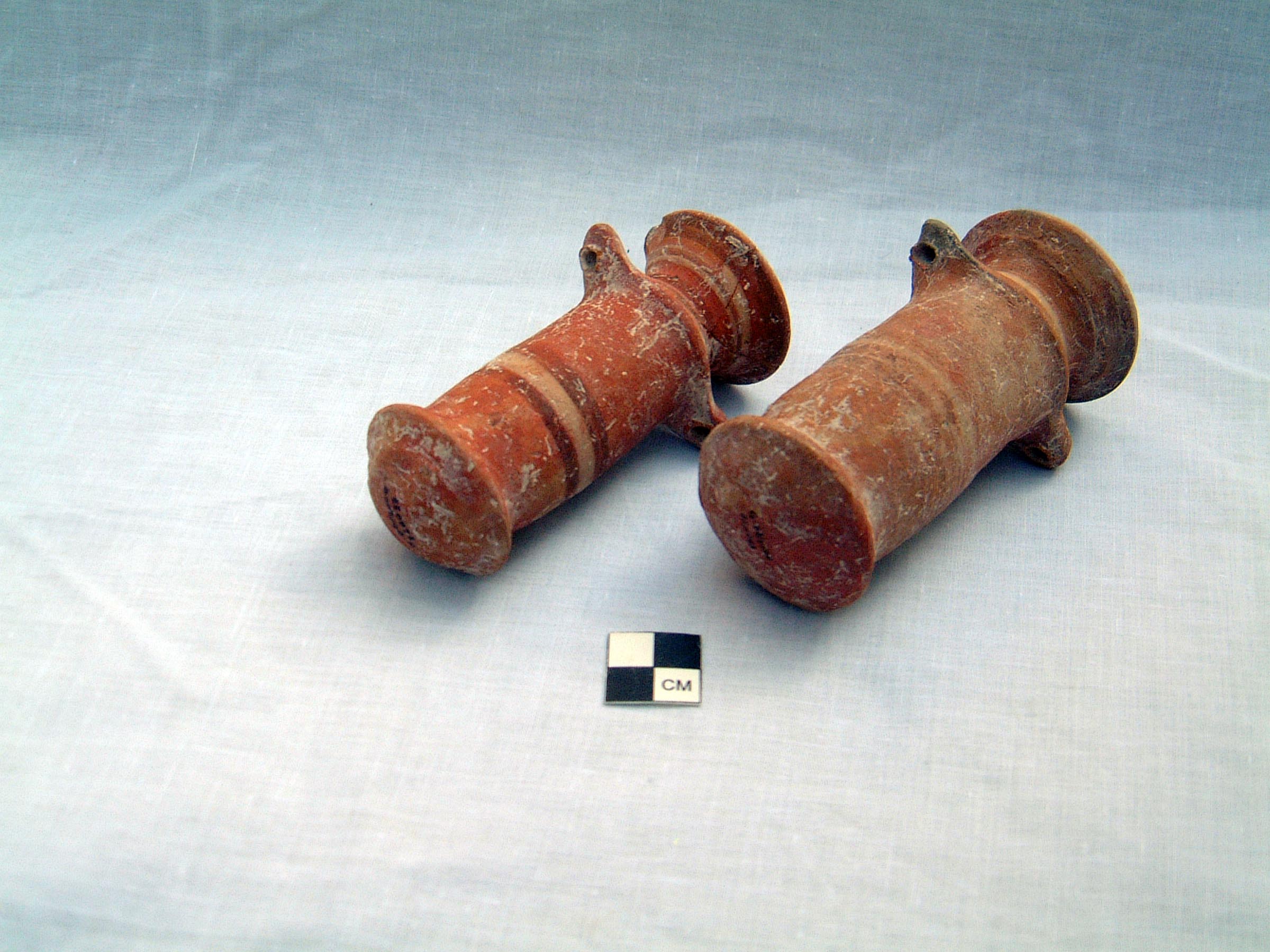

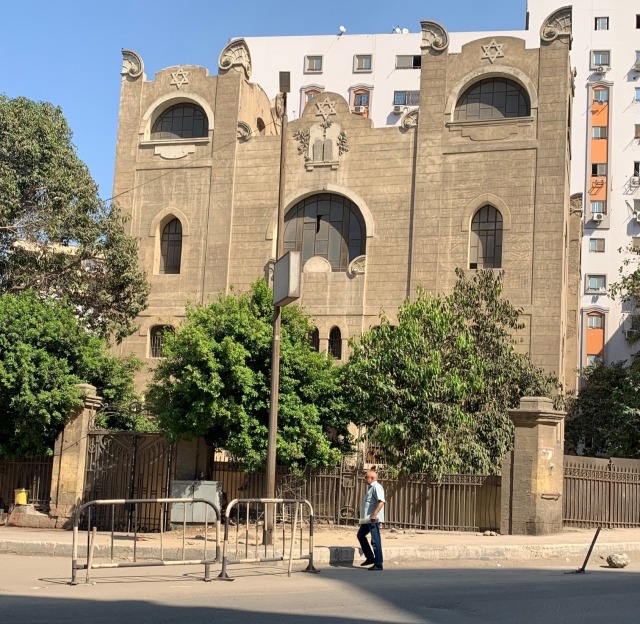
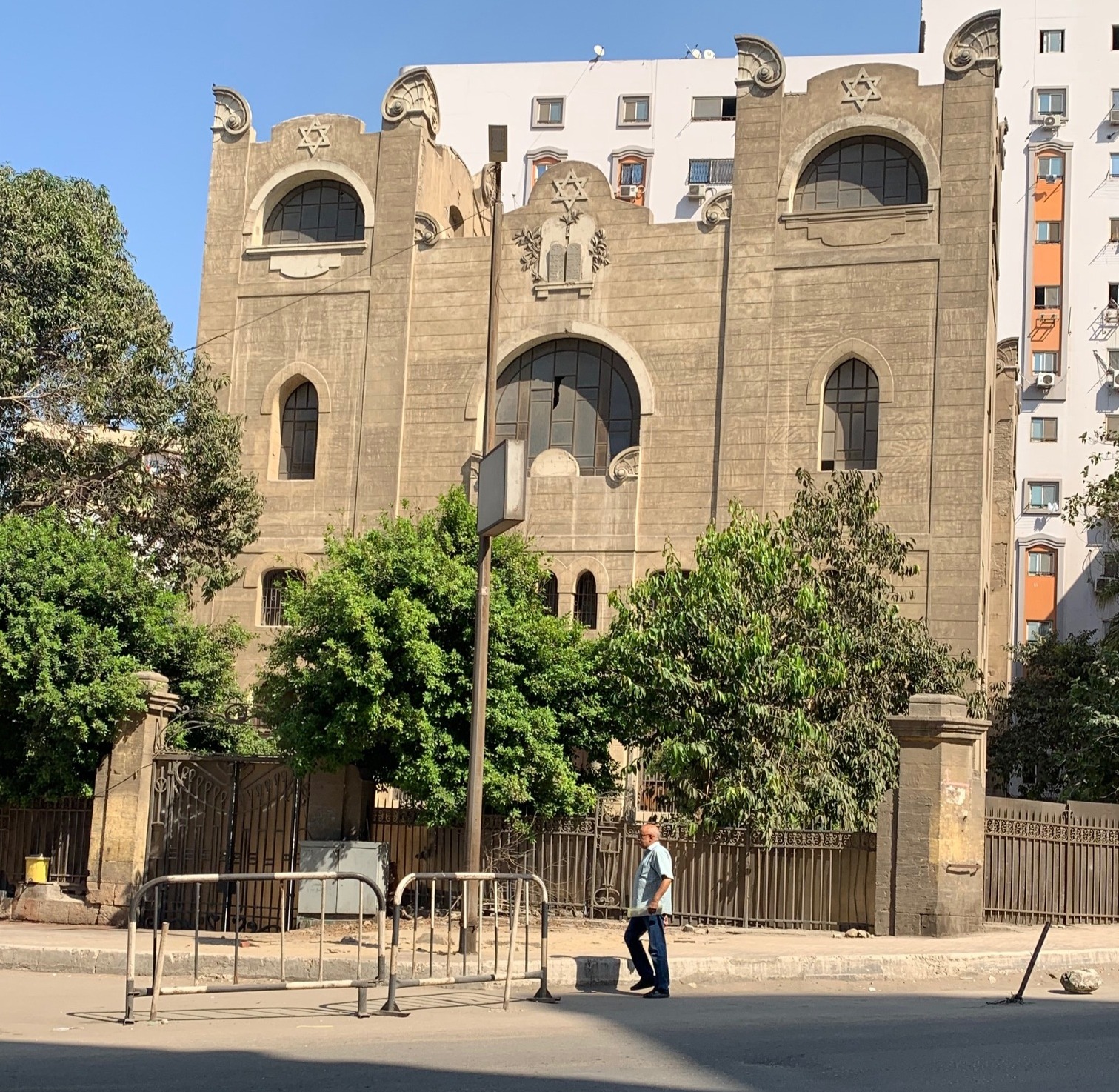


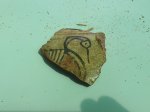

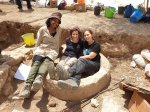
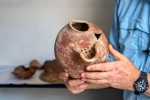
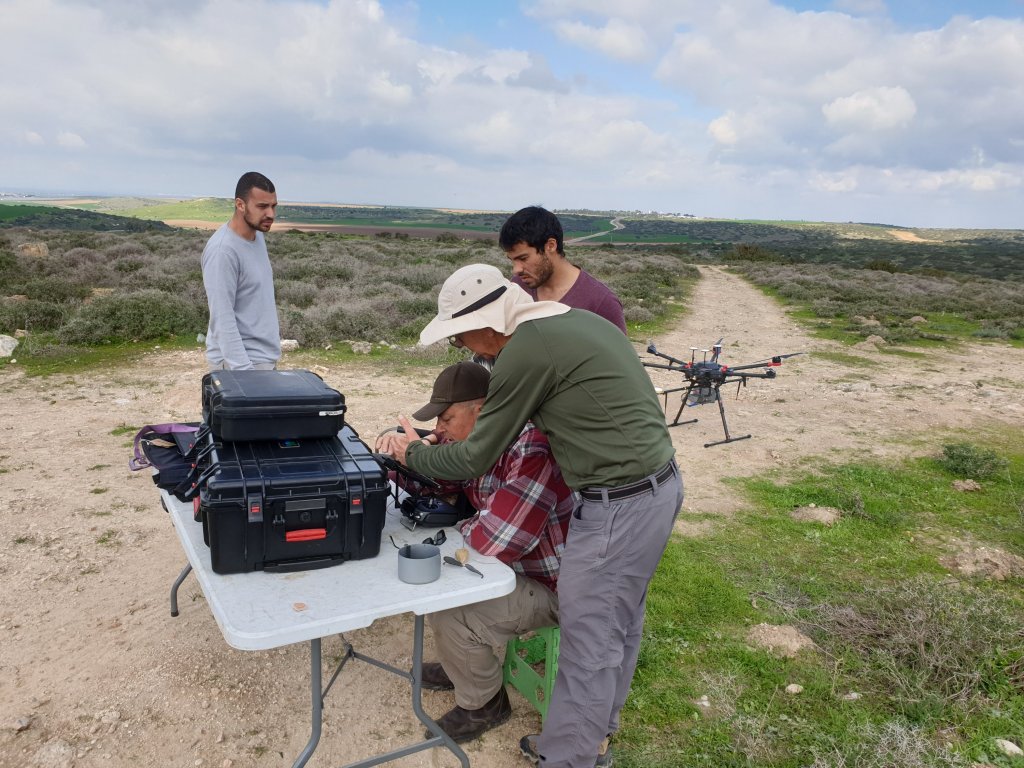
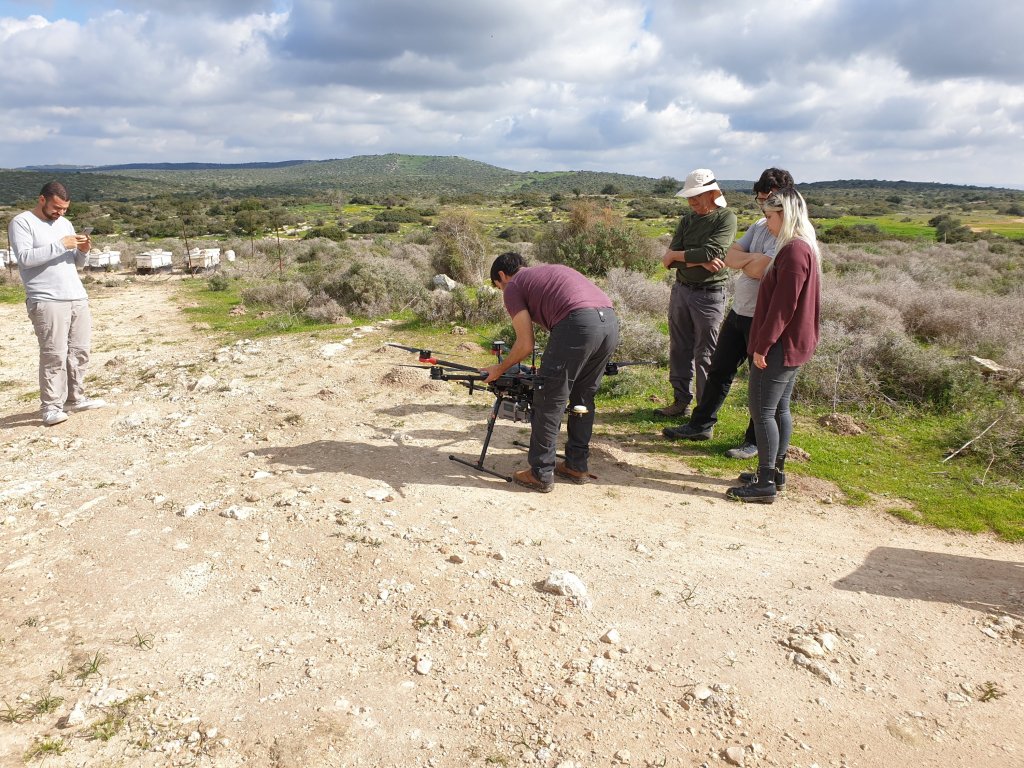


Tel Burna from north with rain water running through Nahal Guvrin
Nahal Guvrin with running water
Tel Zayit with running water
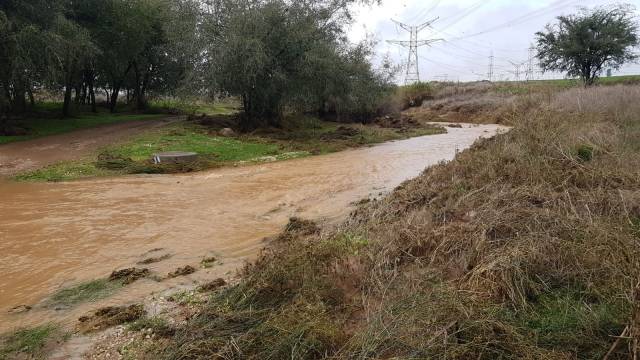
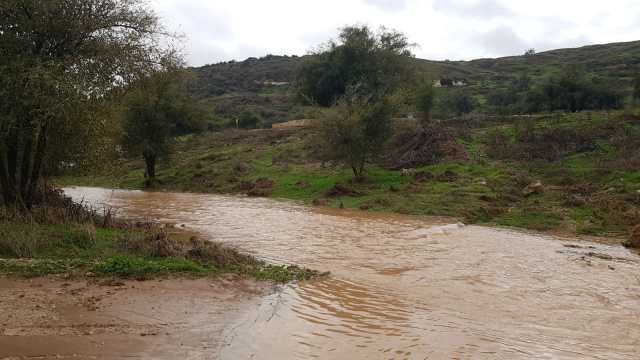


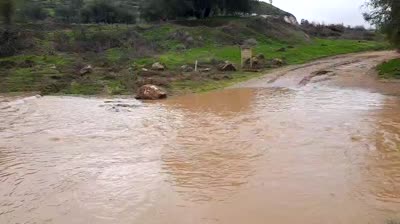


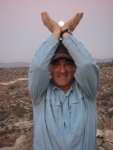
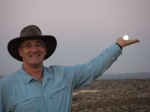

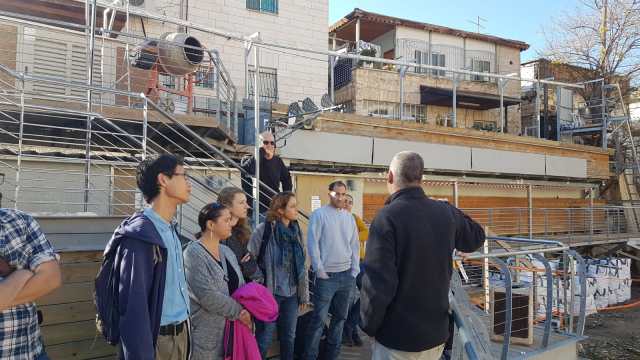
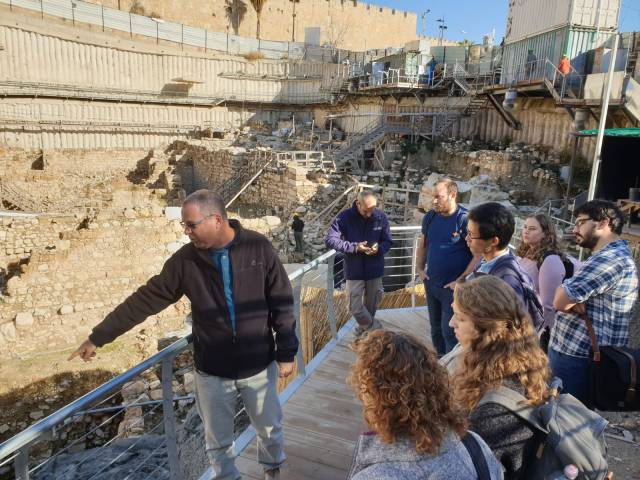
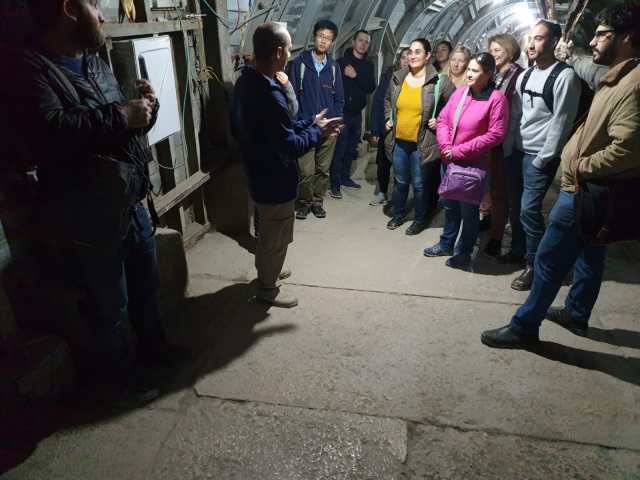


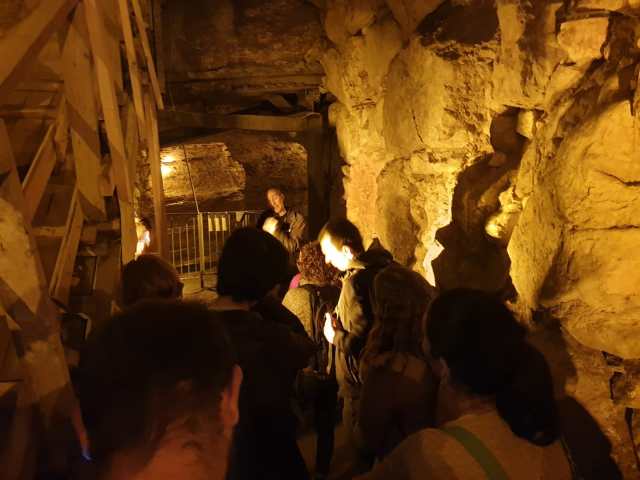
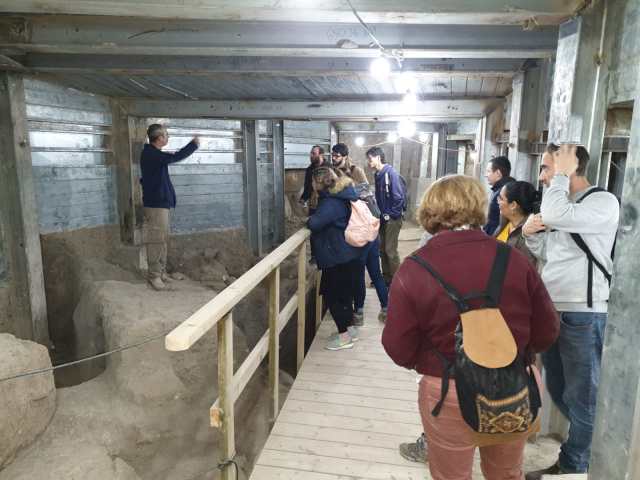

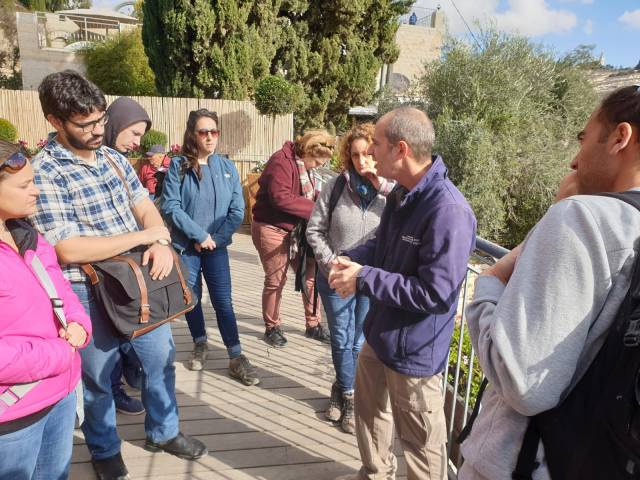
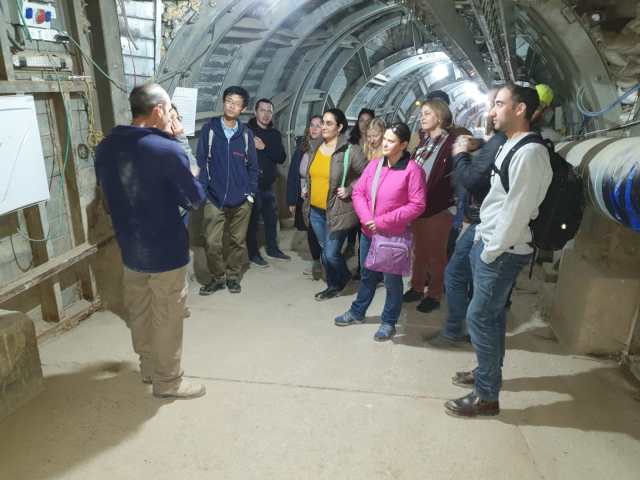


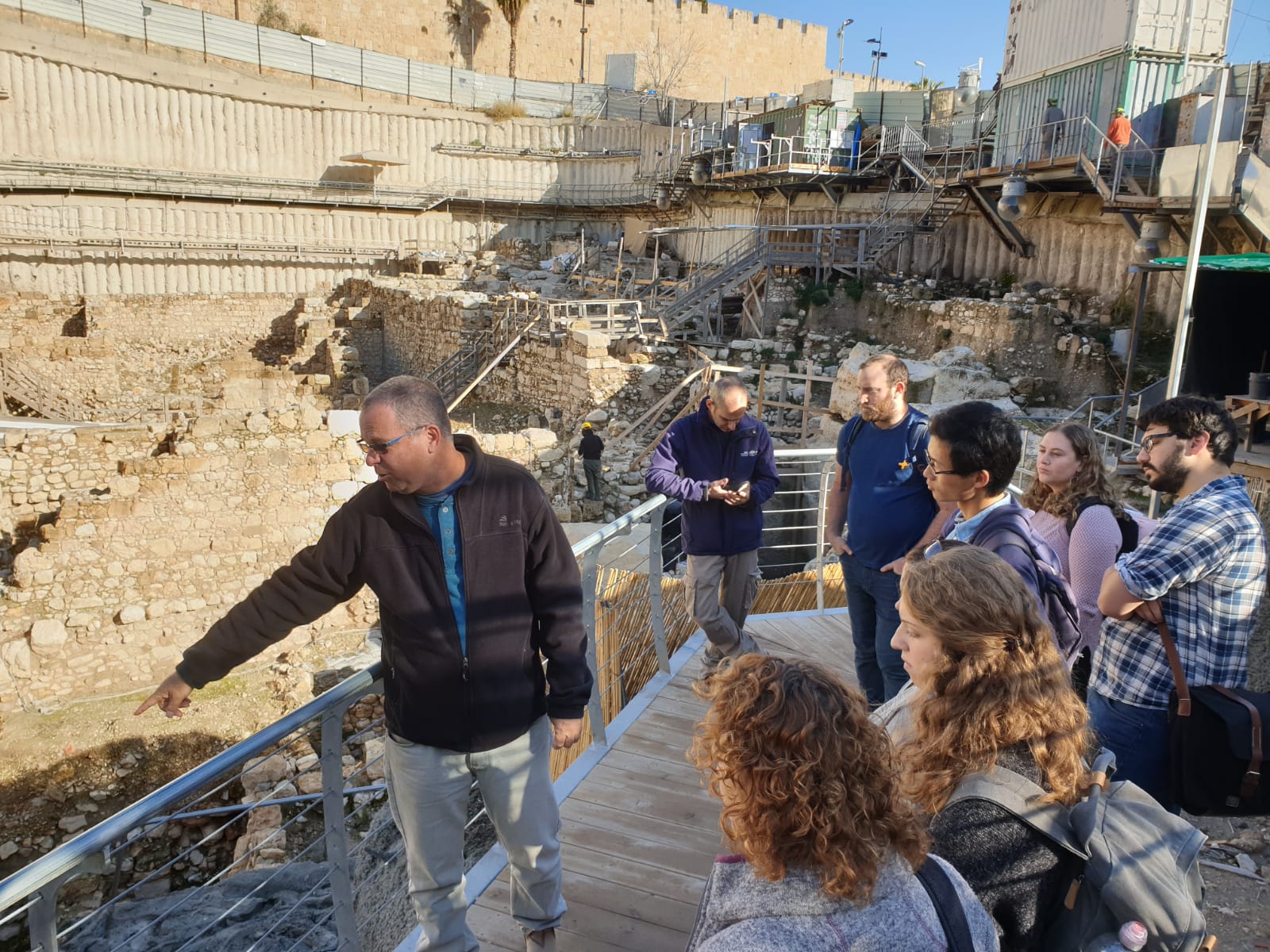

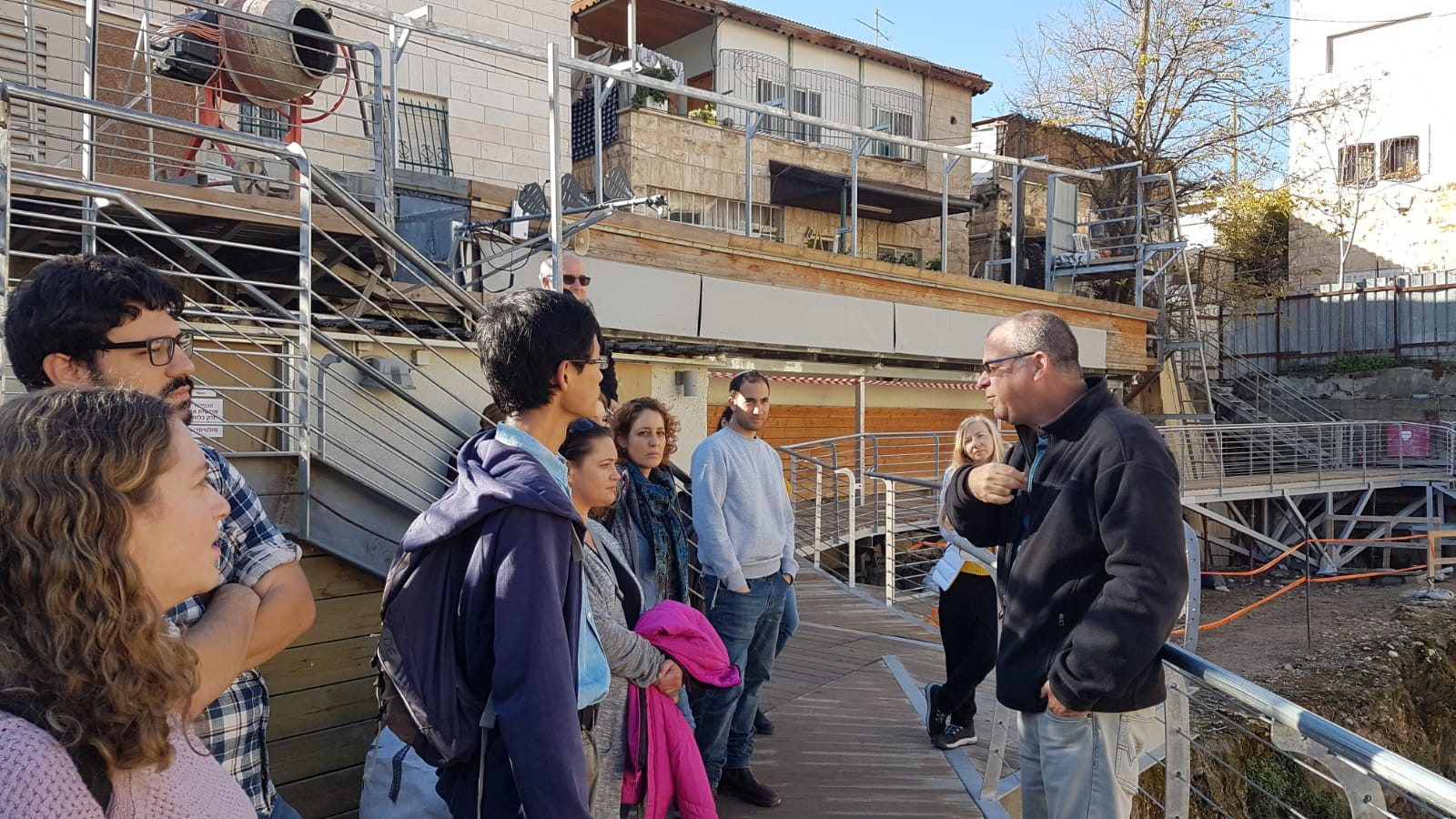
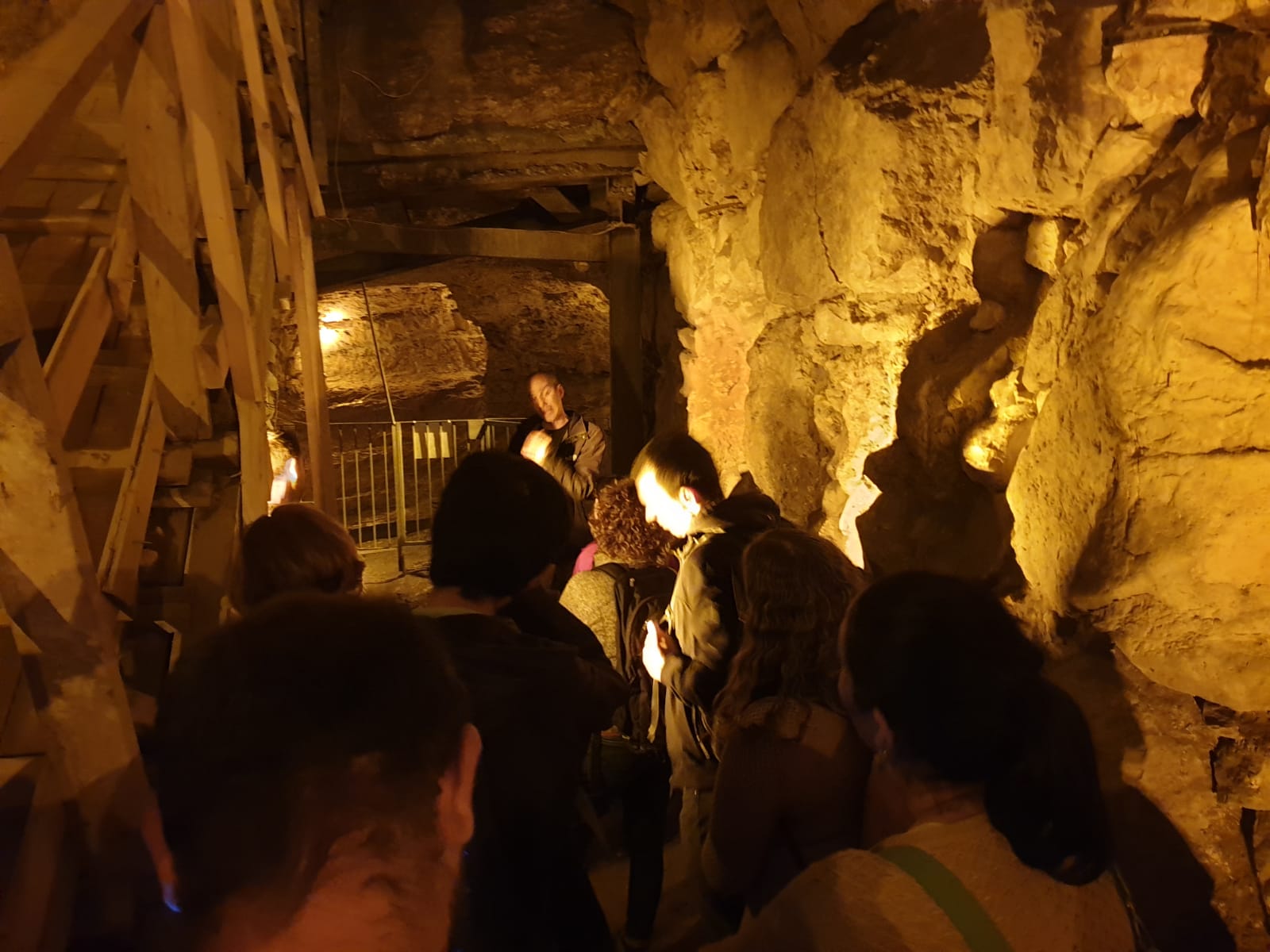



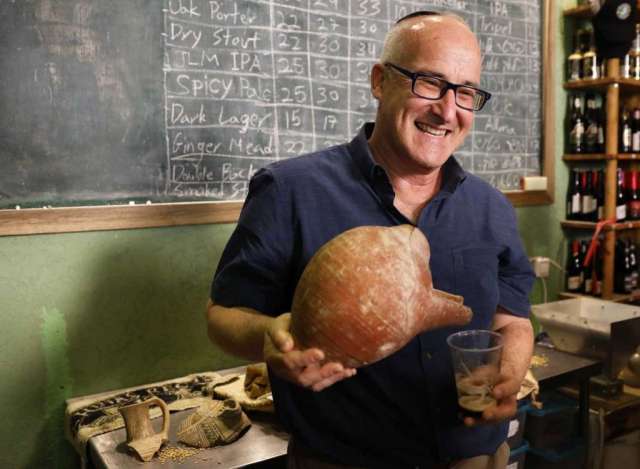
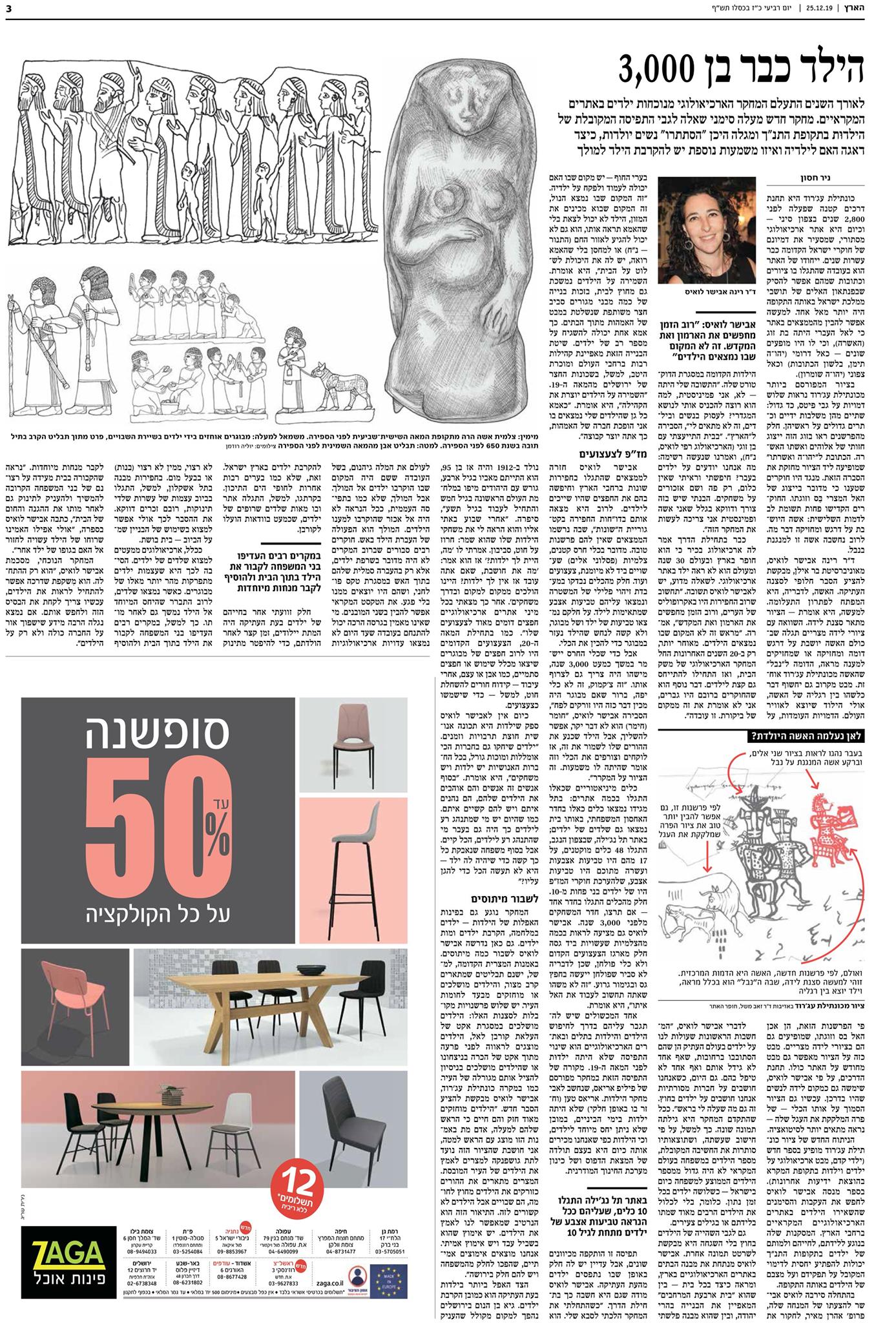
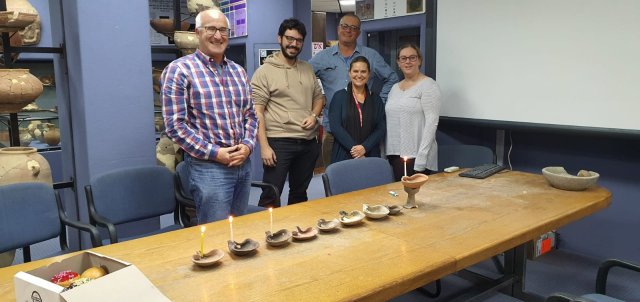

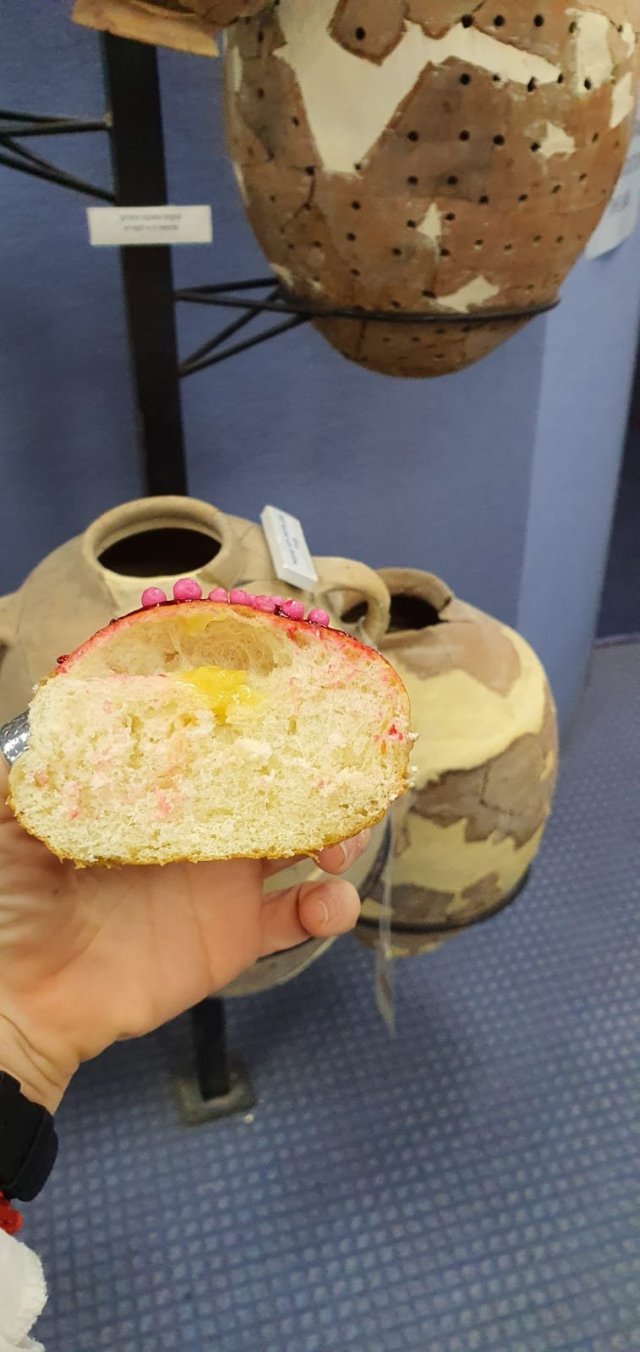
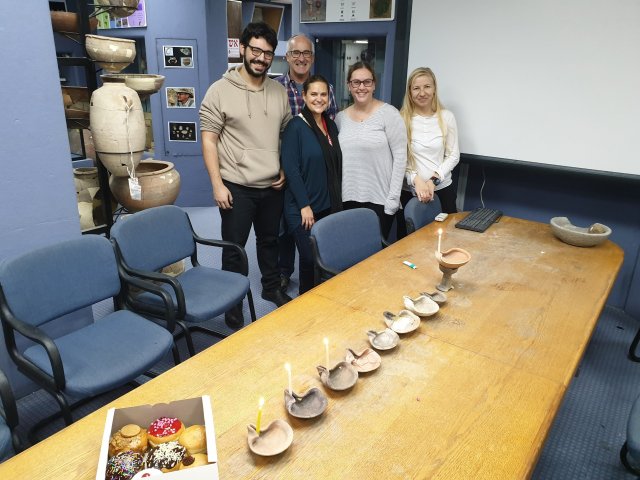
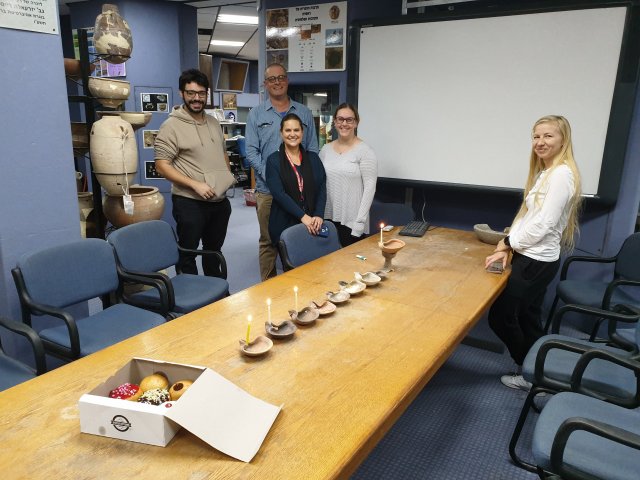
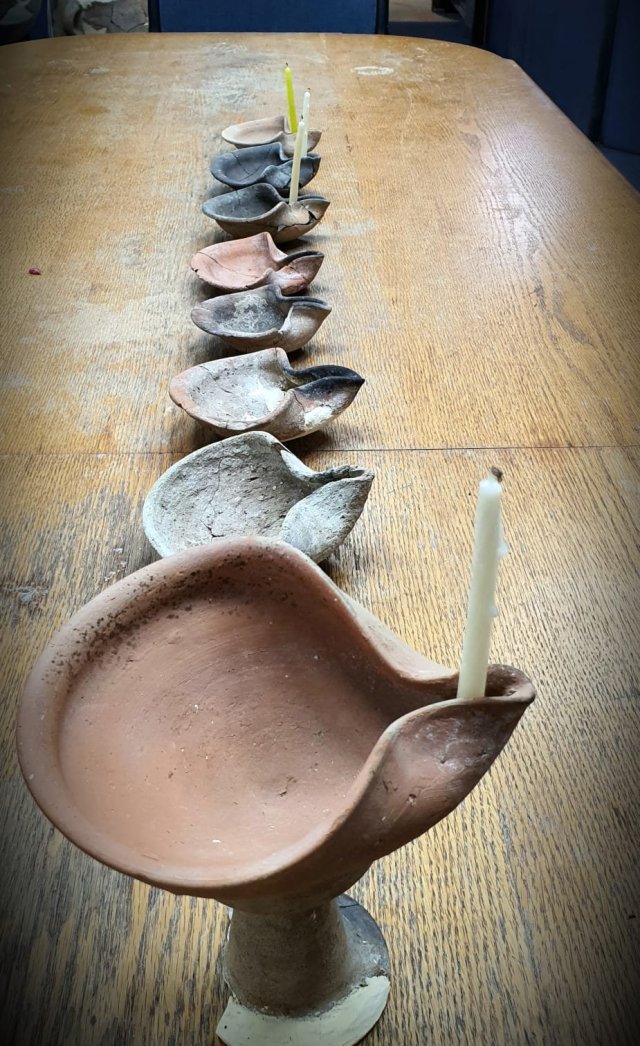
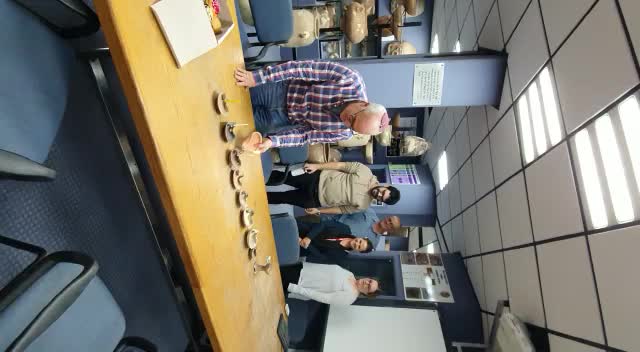



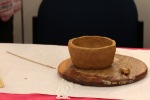


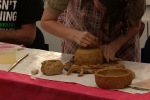

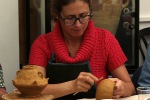
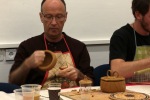

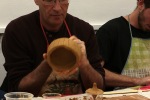

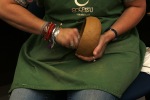
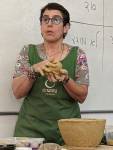


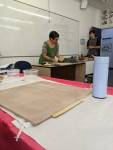


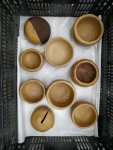
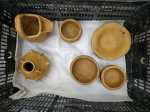

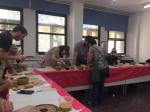
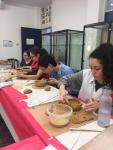

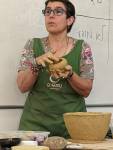


will be even better!

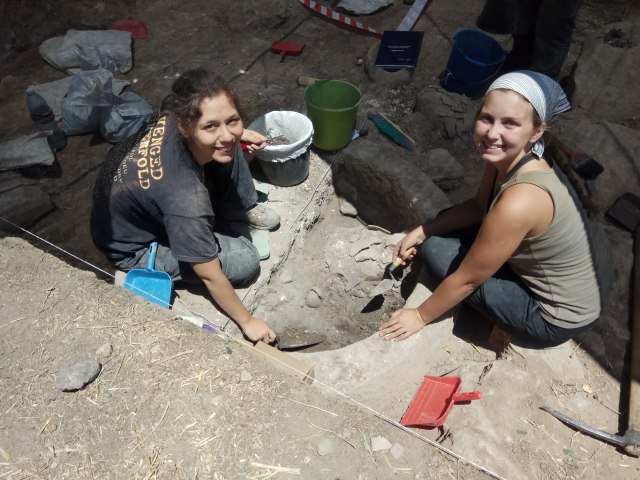

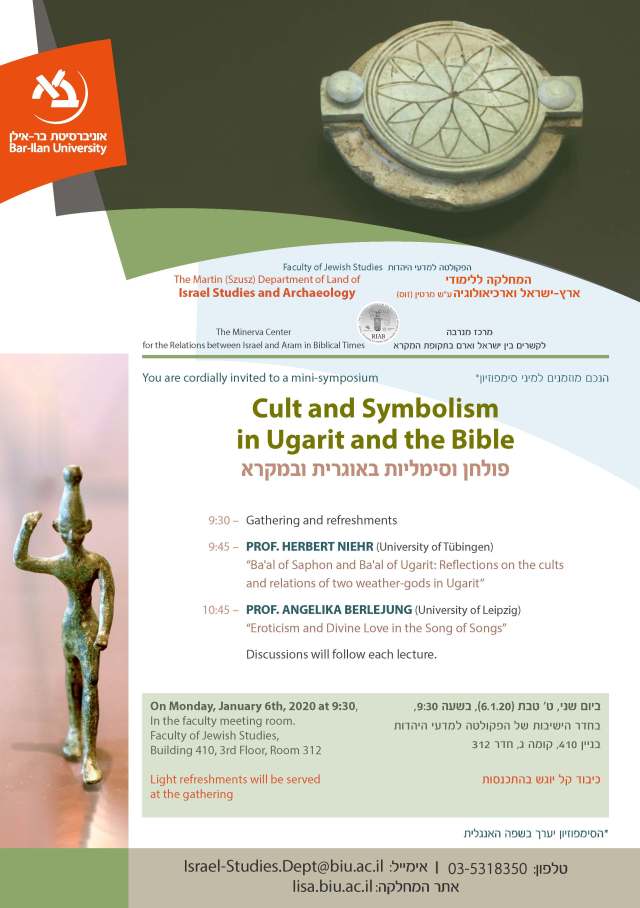

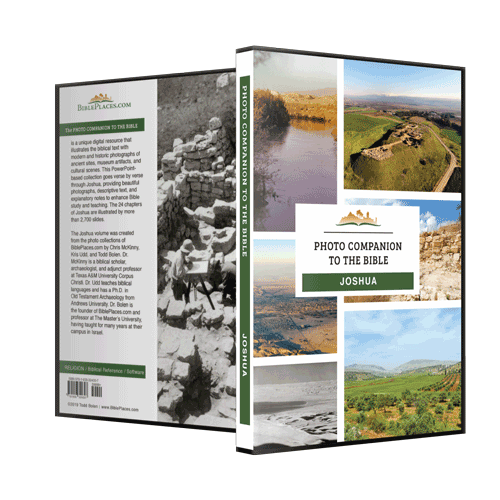
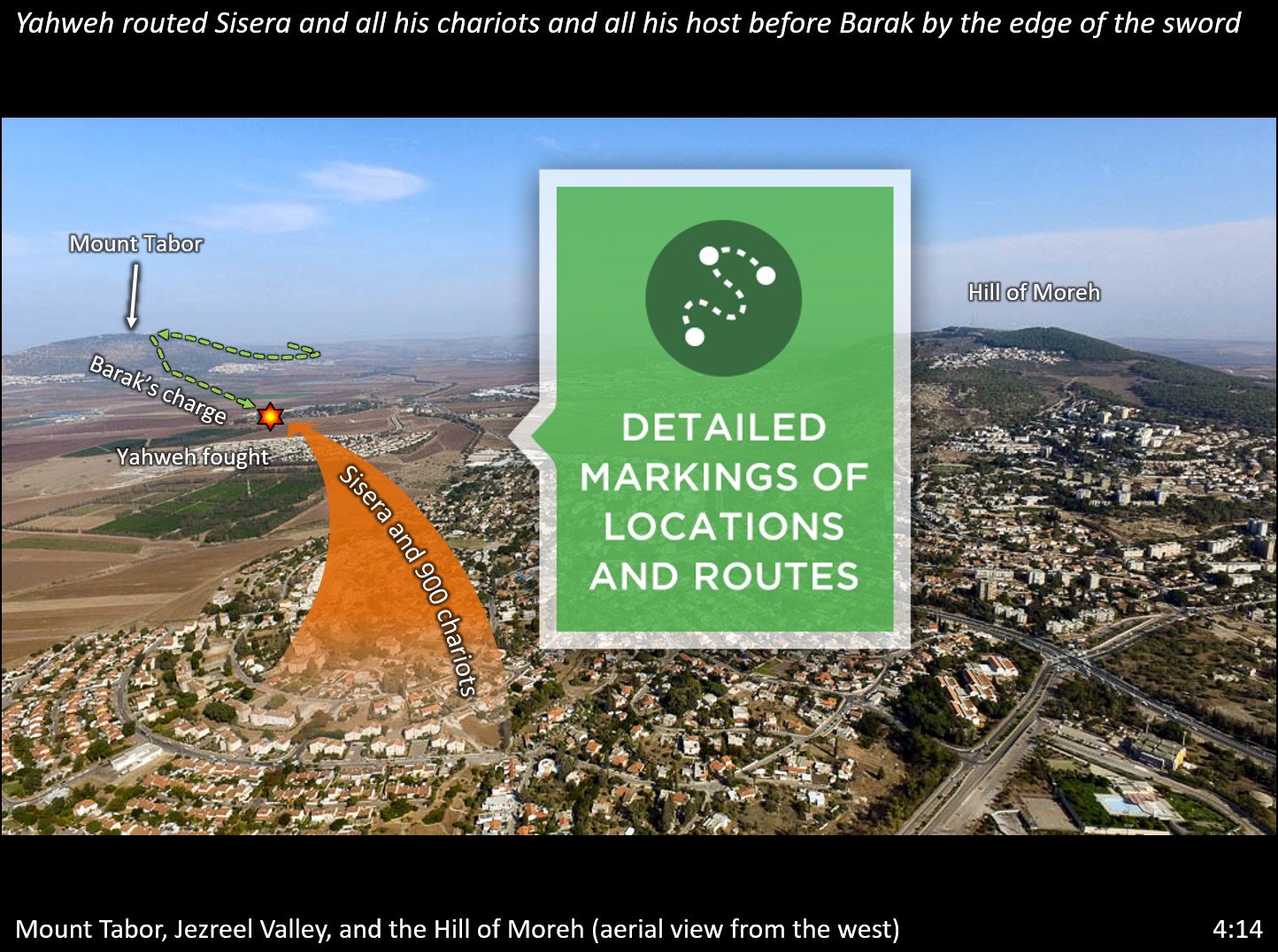


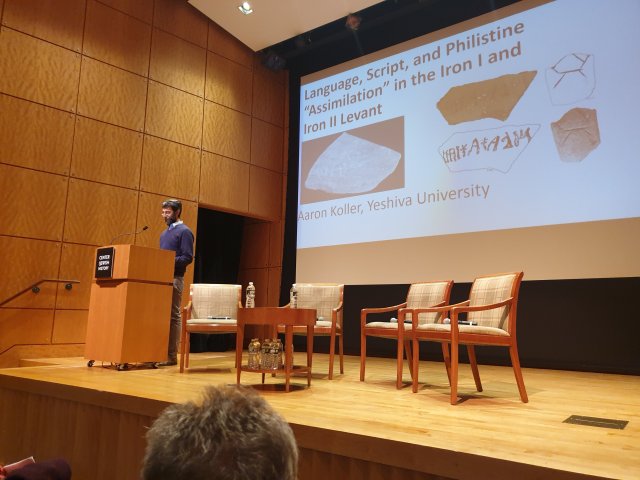
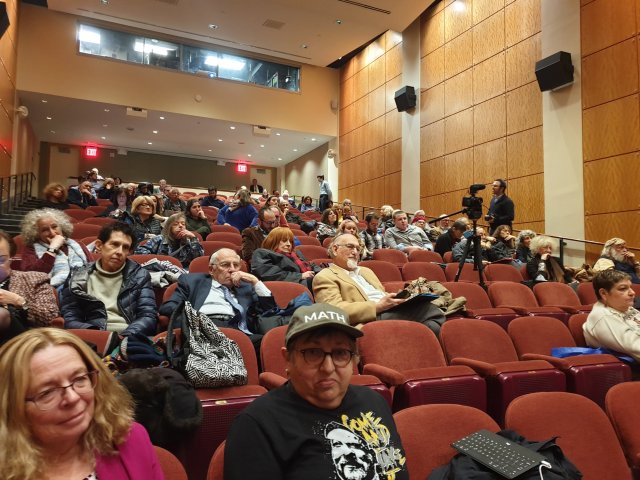

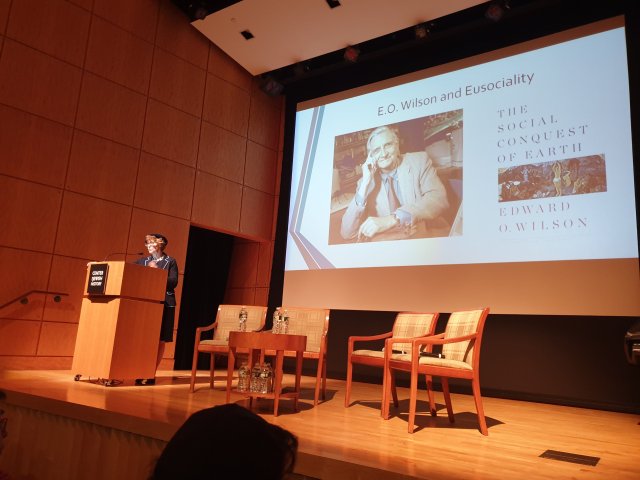

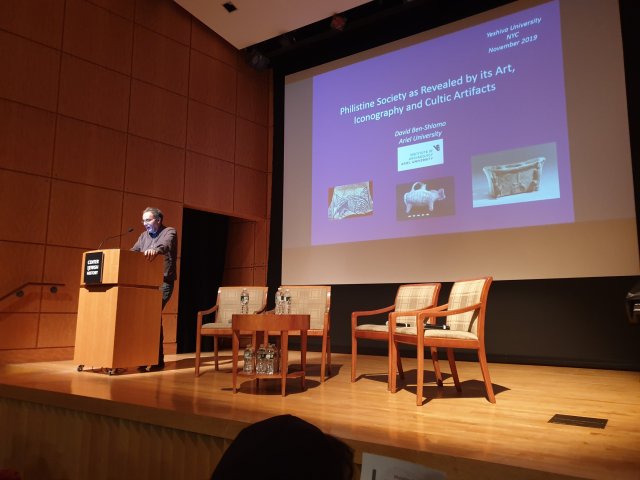
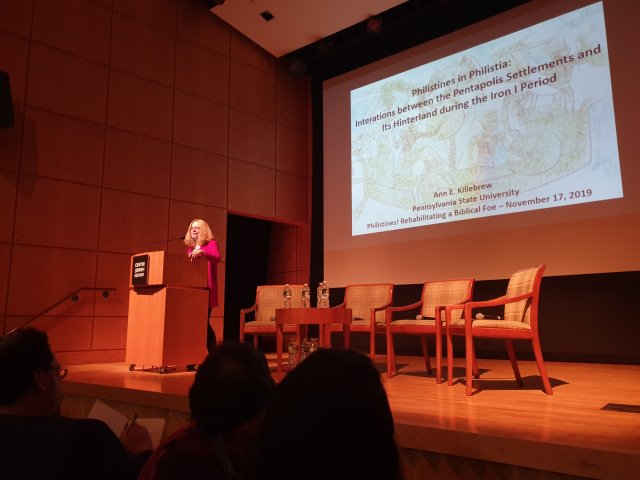


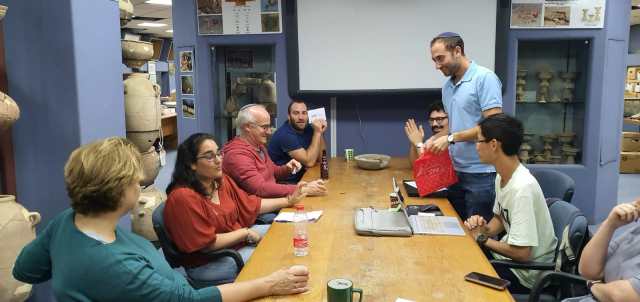
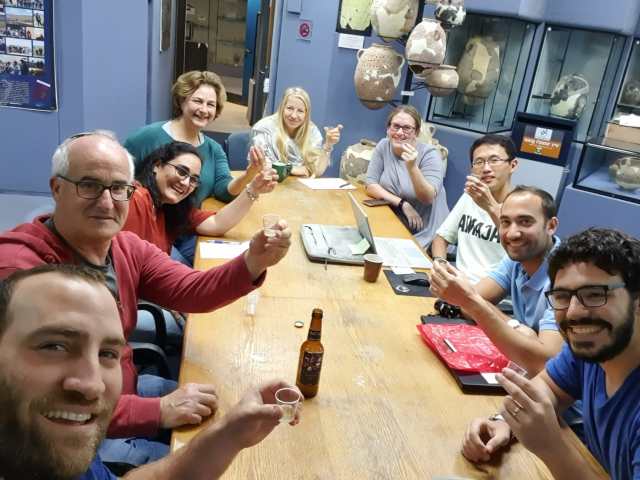


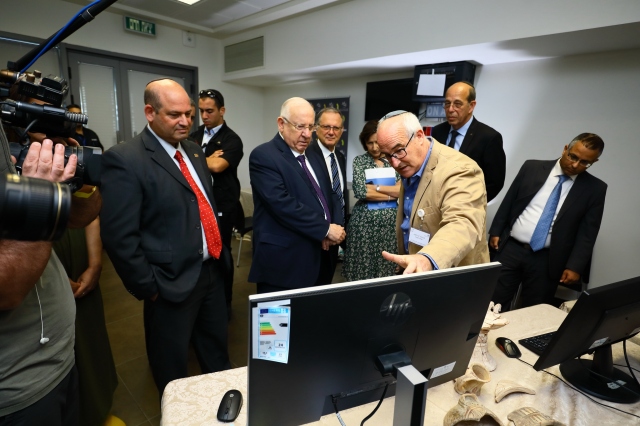
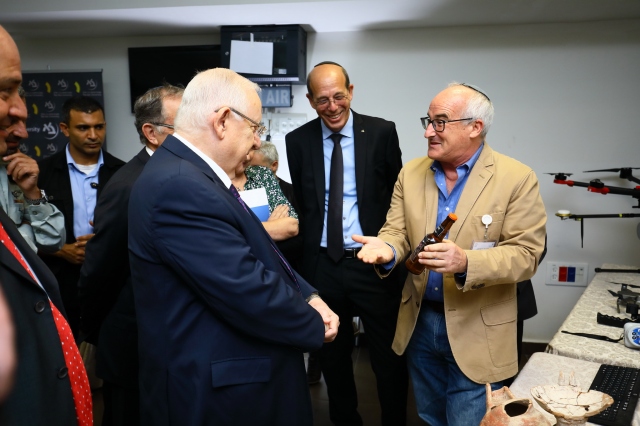
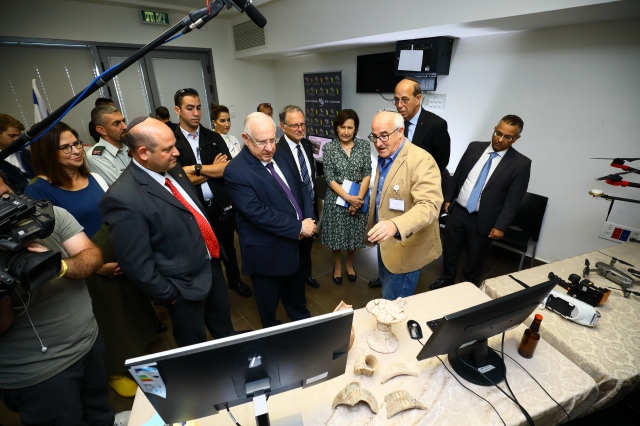
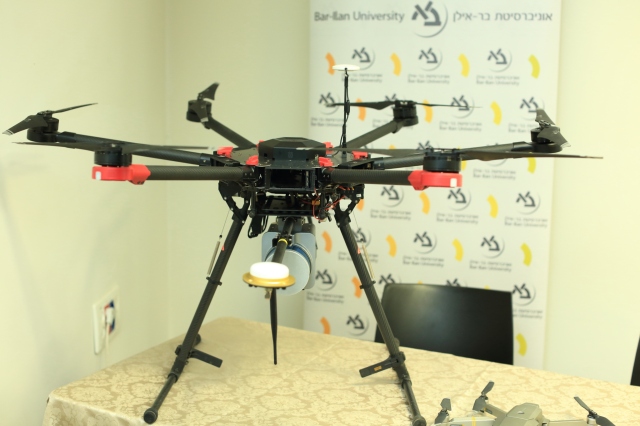


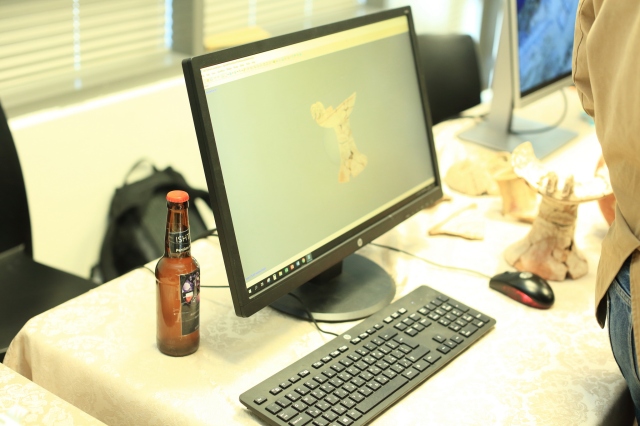
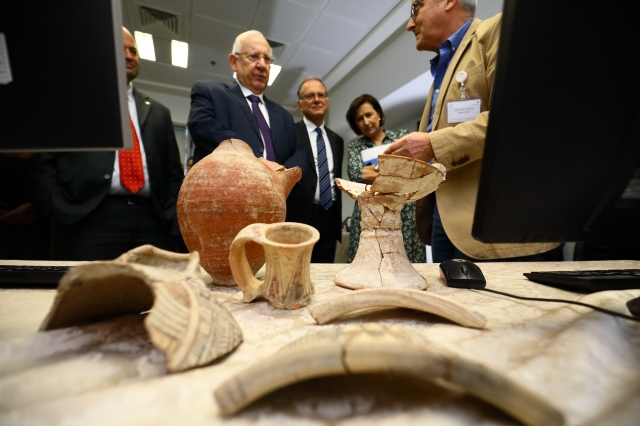


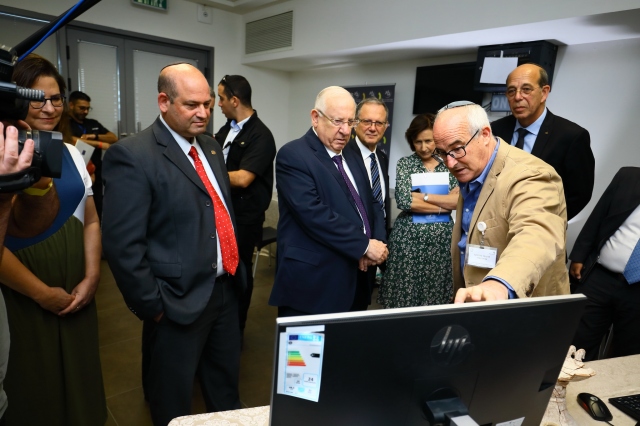


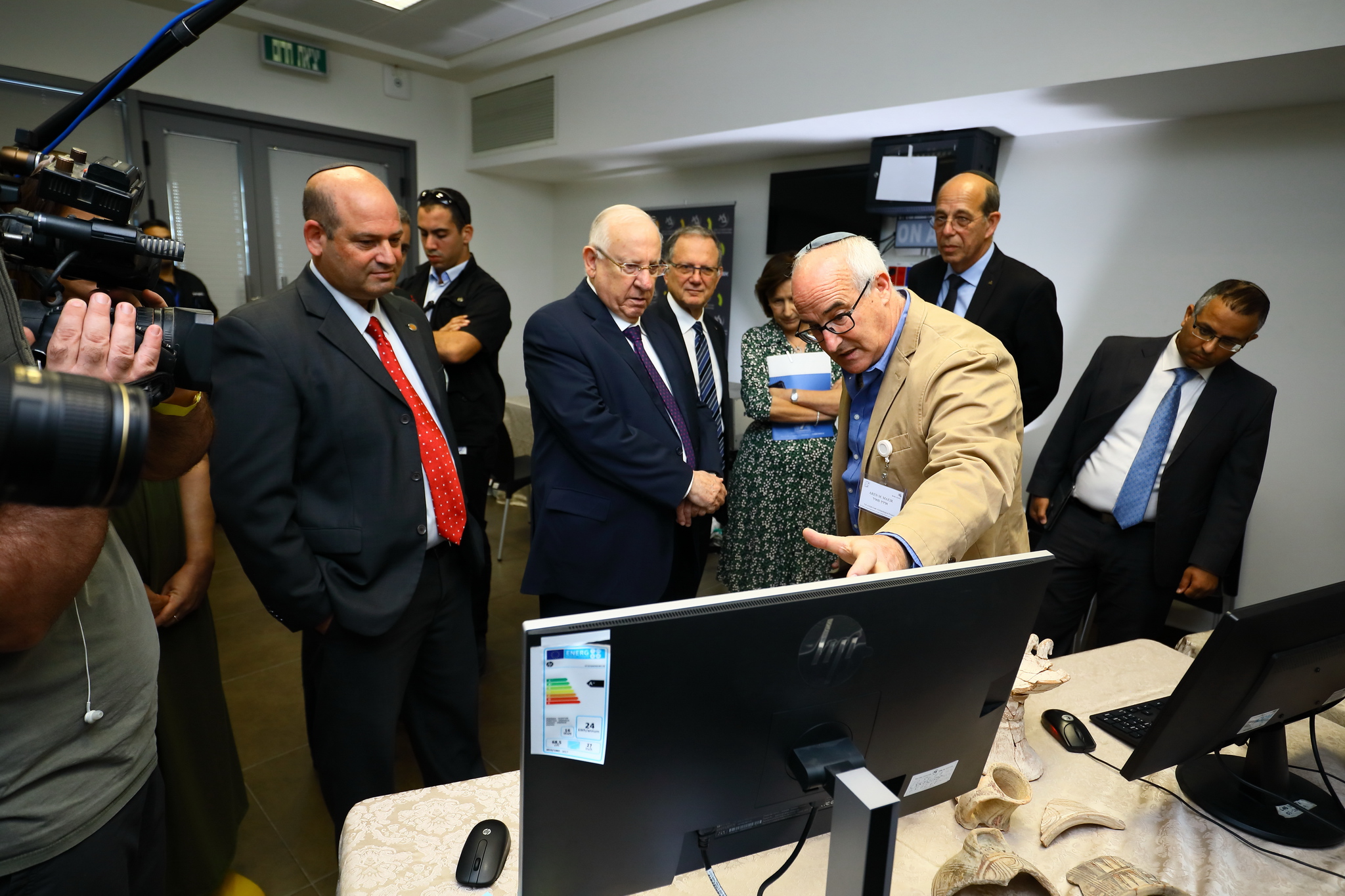

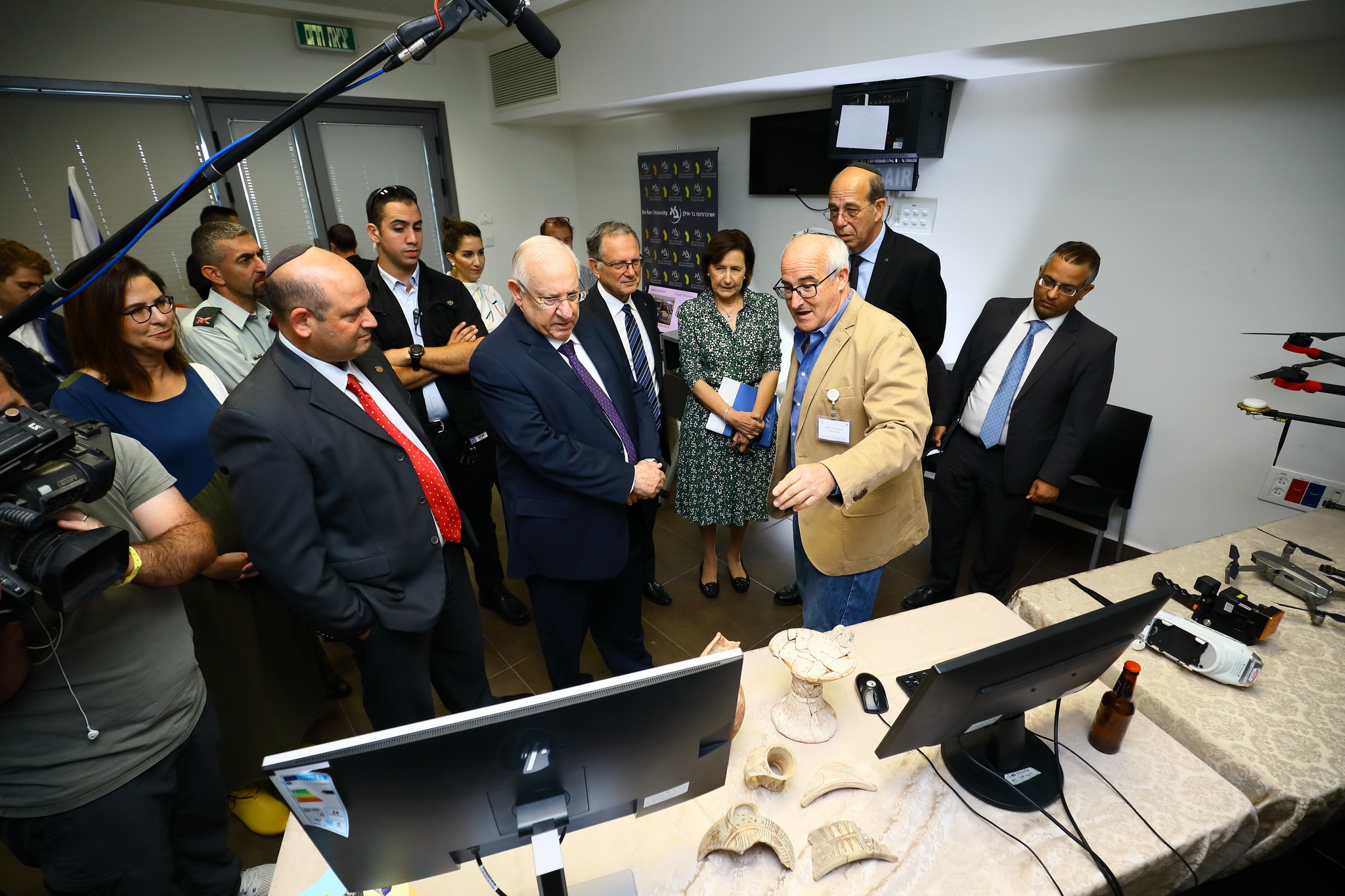


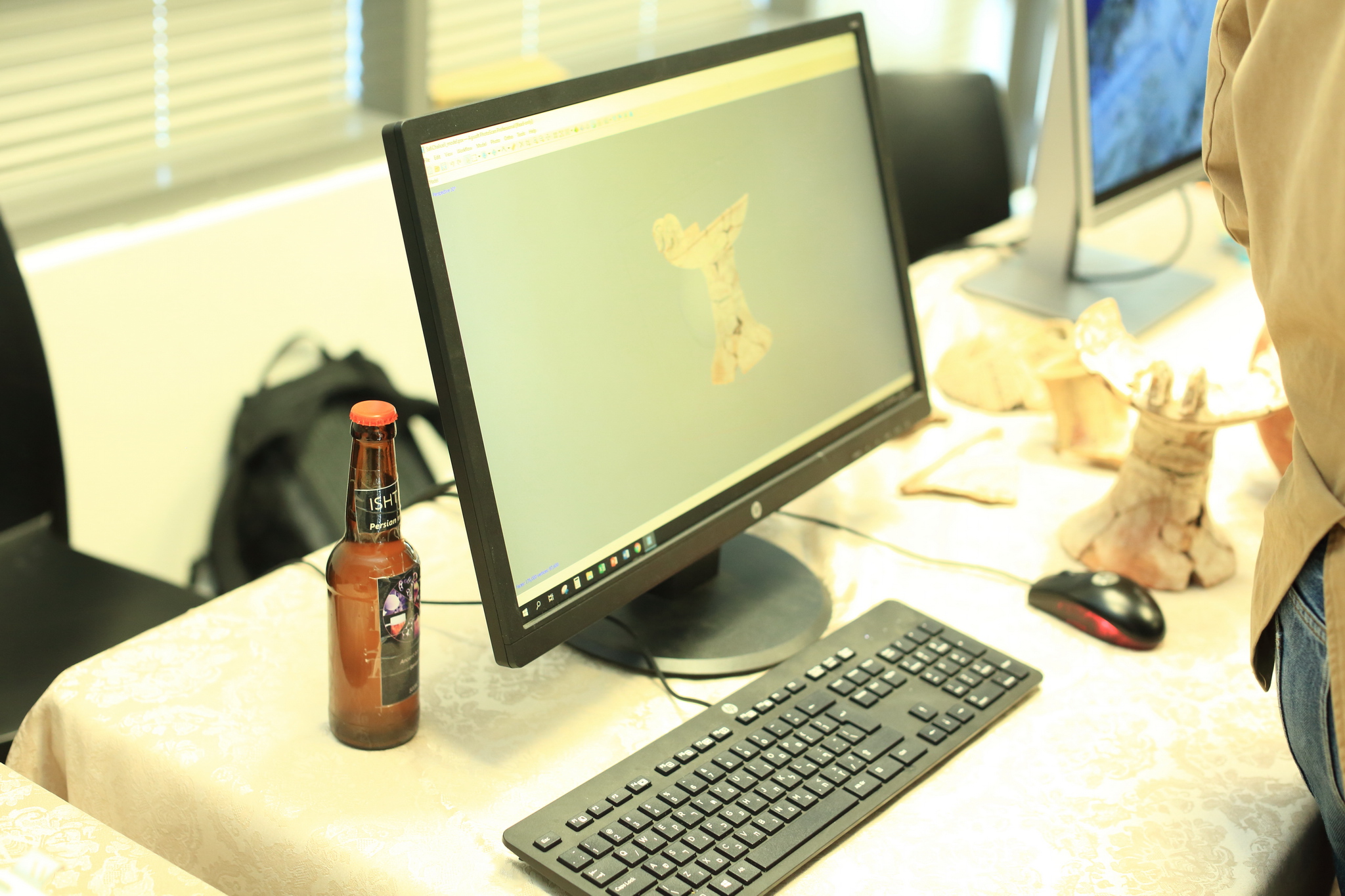


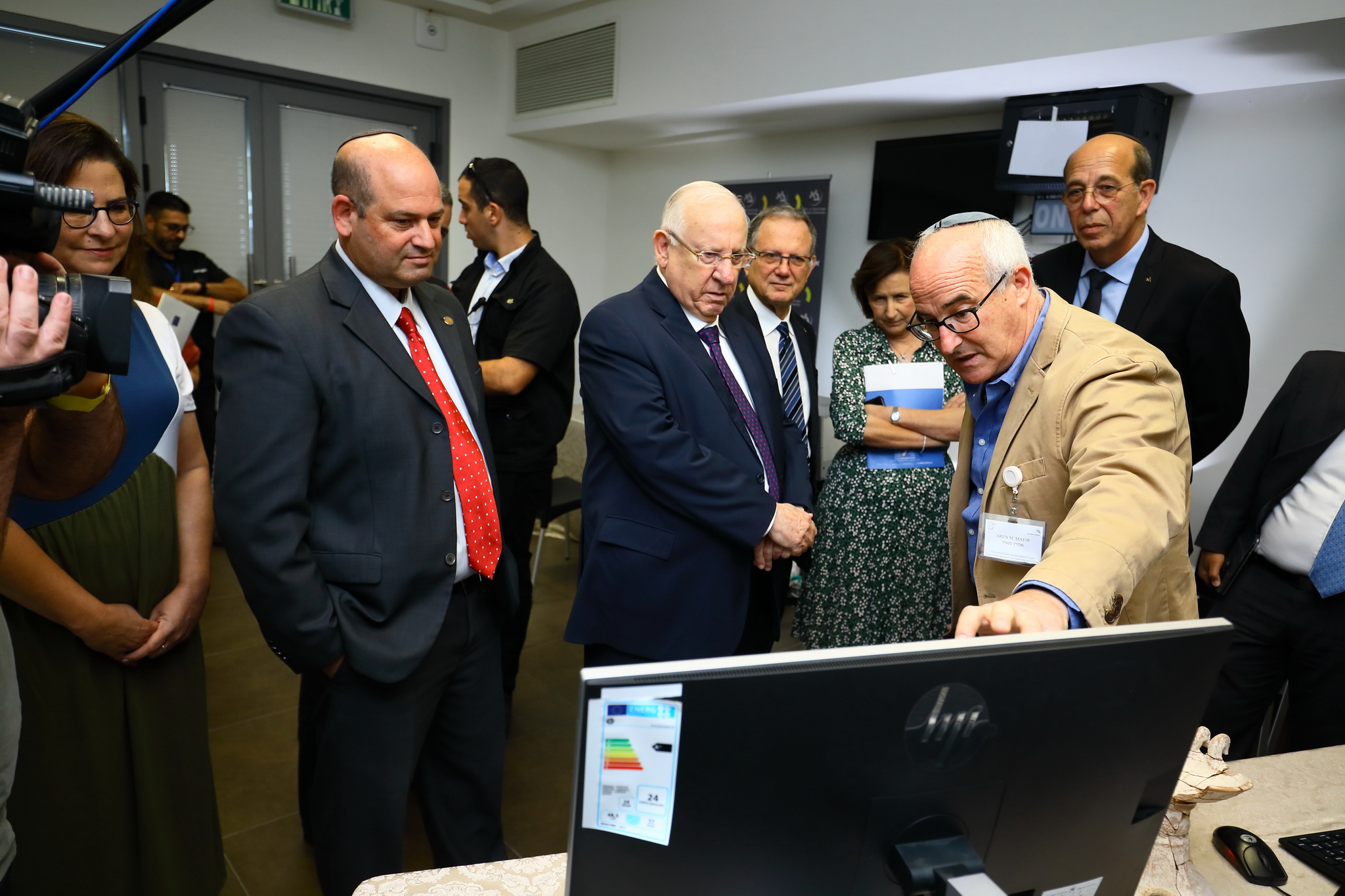


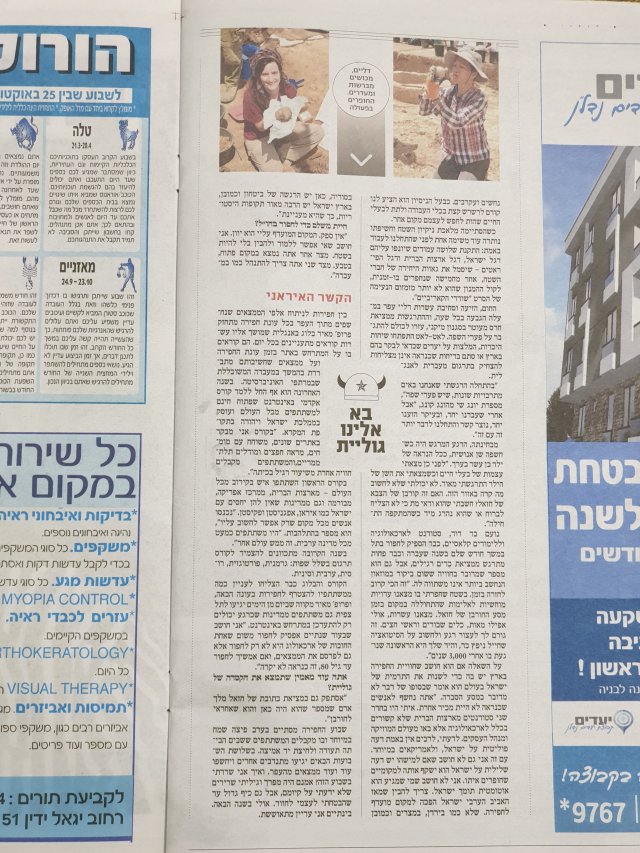
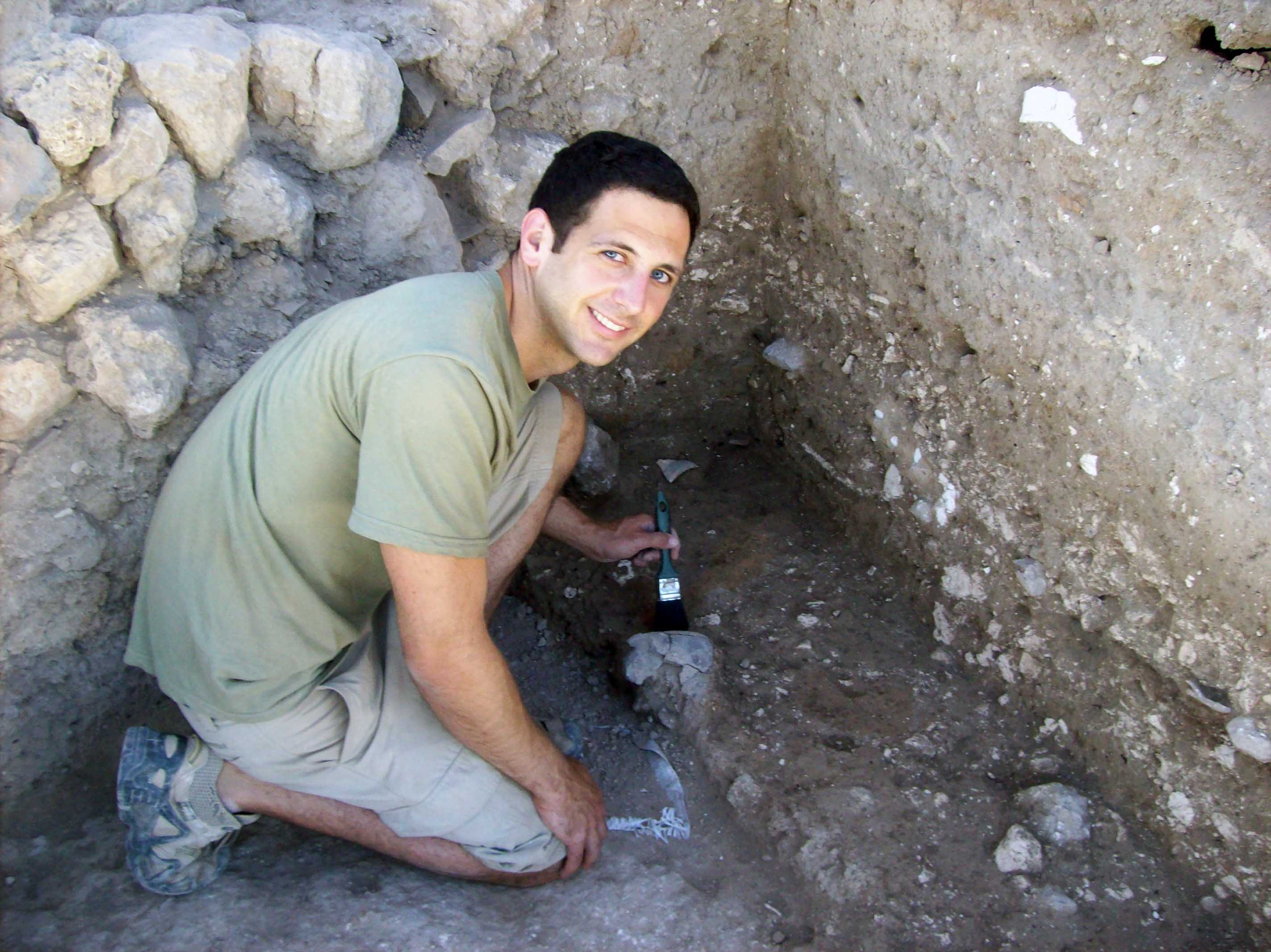
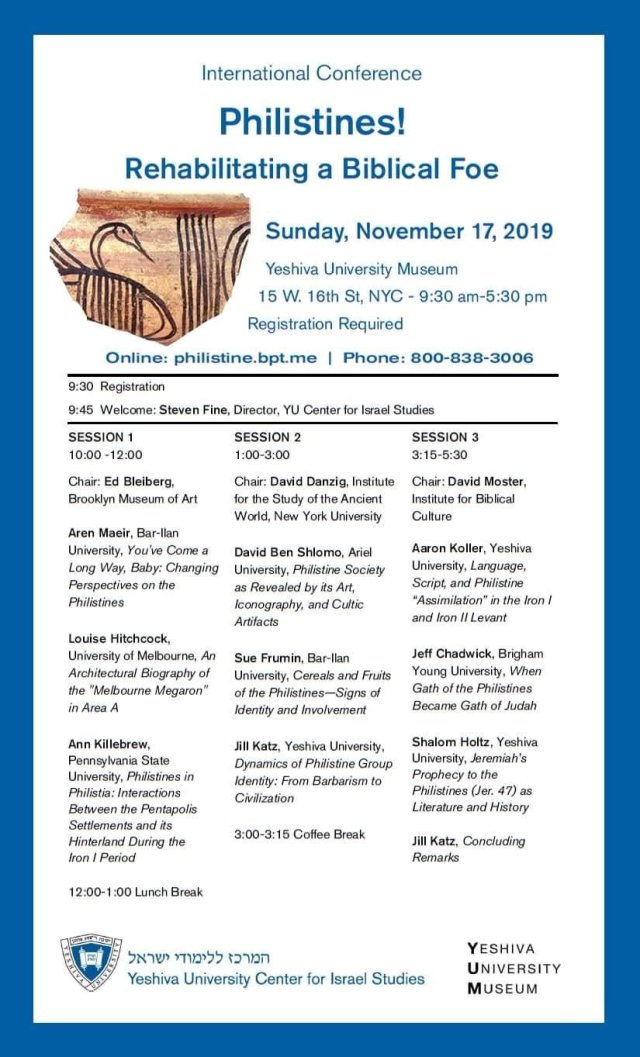

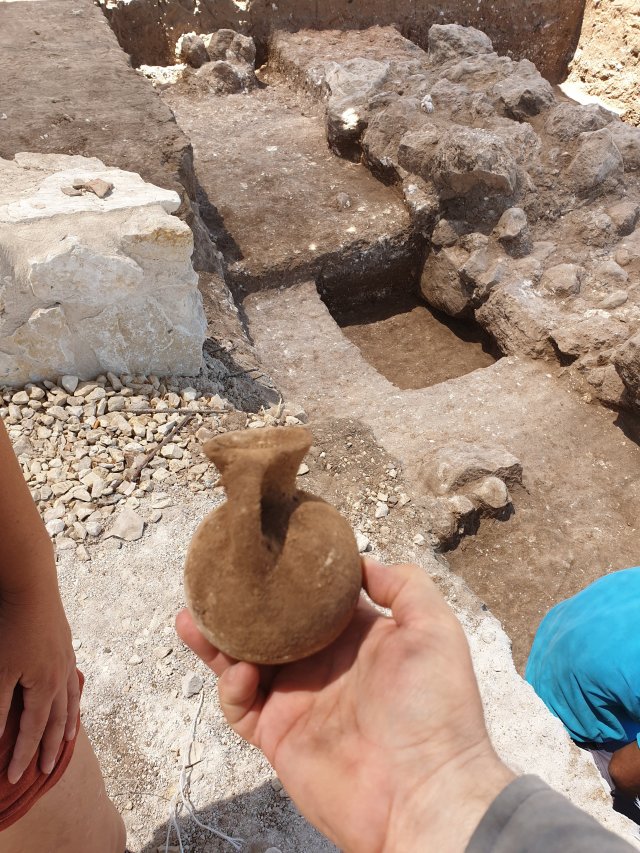

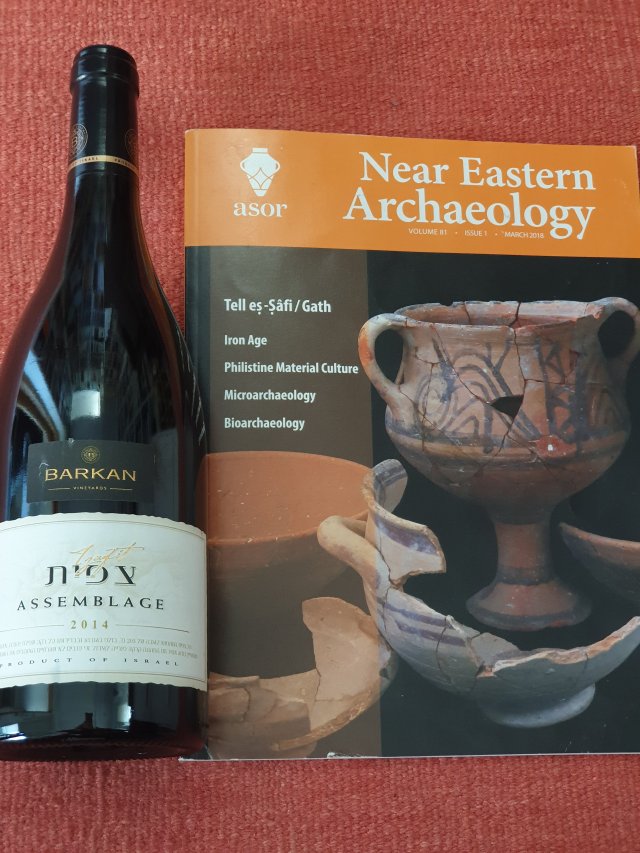

Thanks to Debi for the photo!
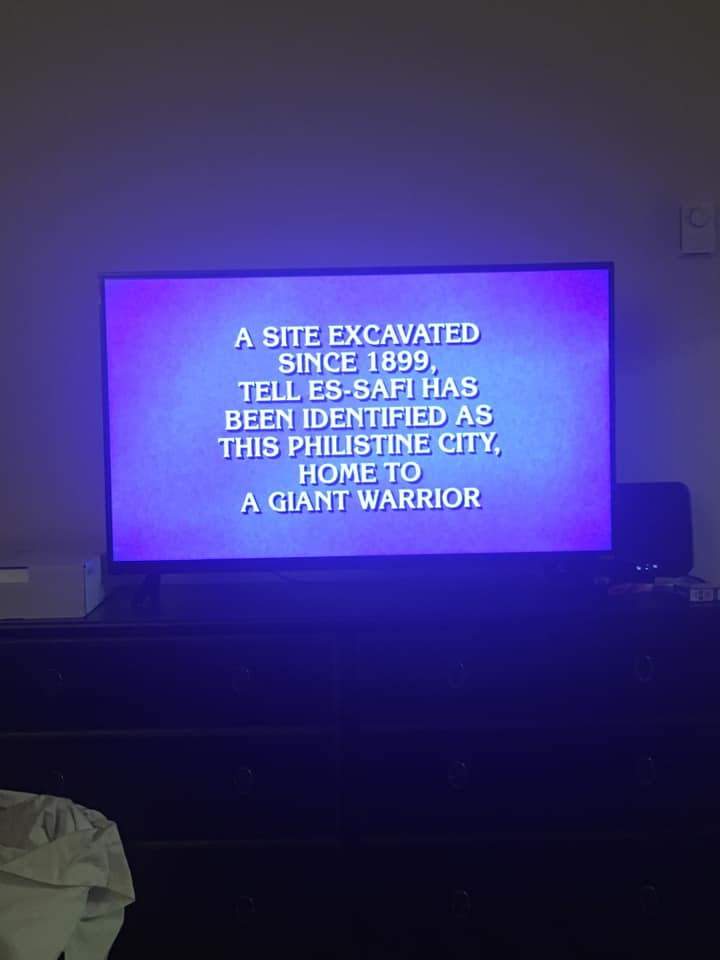

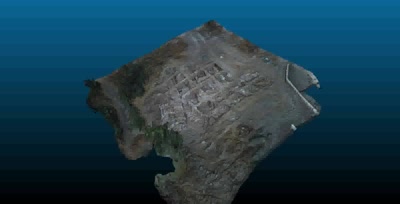
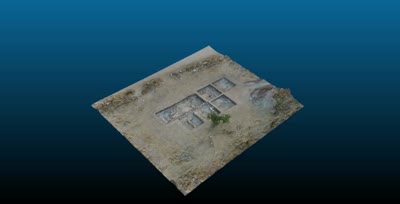
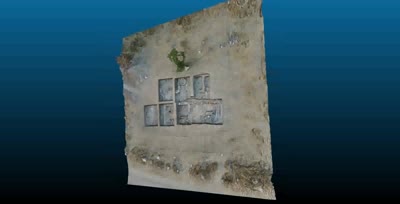


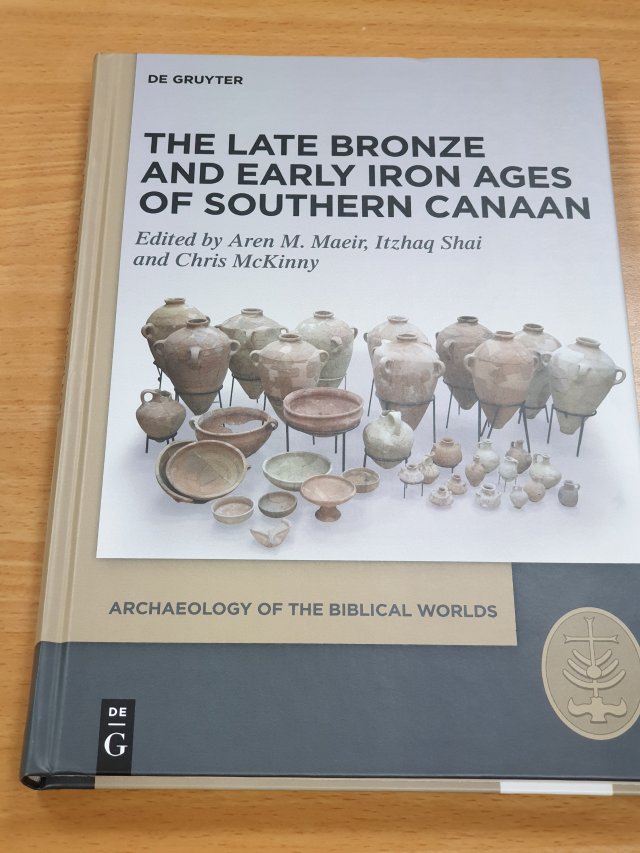
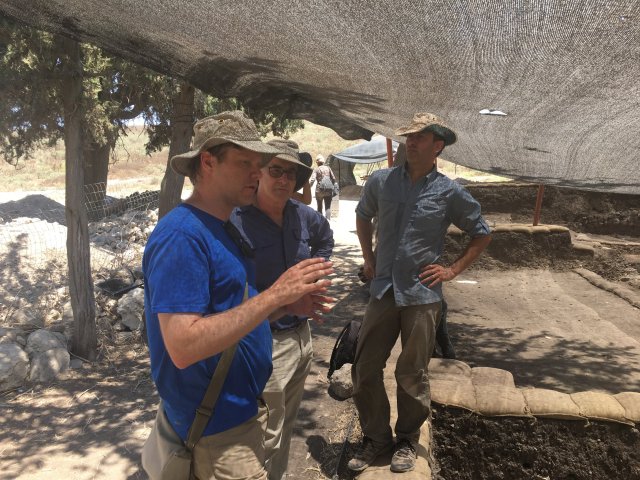
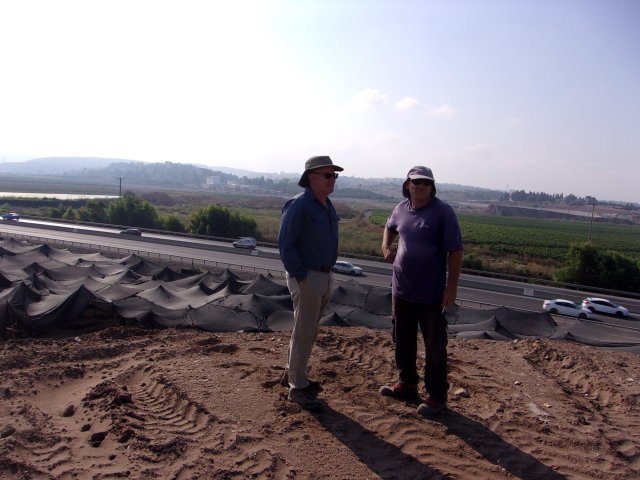
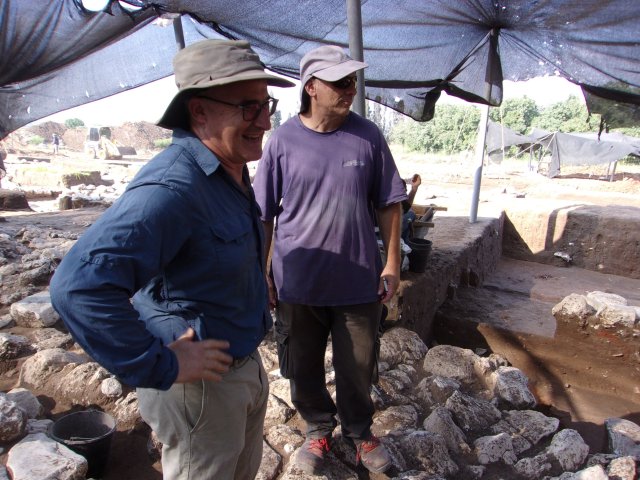
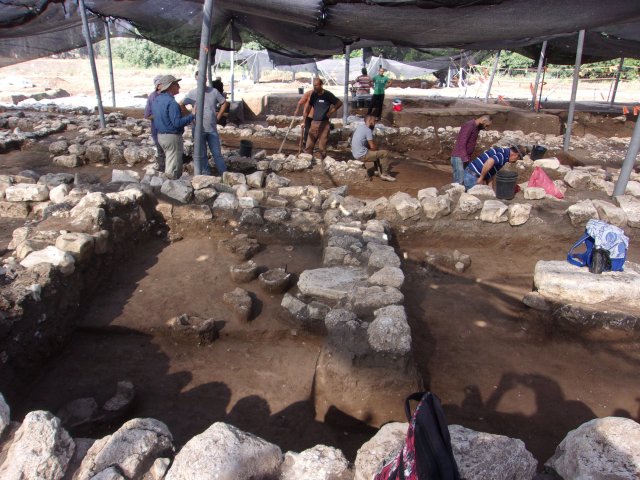
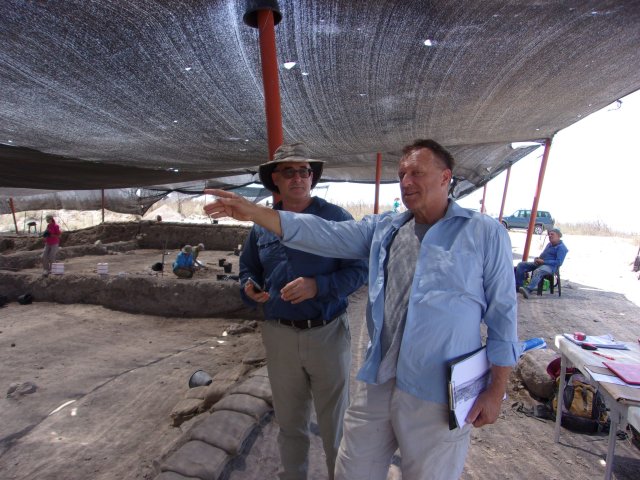




of a well-known aspect of the Tel Burna excavation experience- the long hike or the bumpy ride to the top of the tel. Very funny



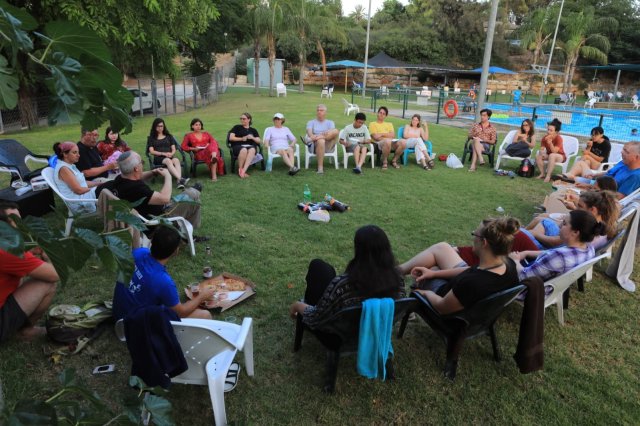

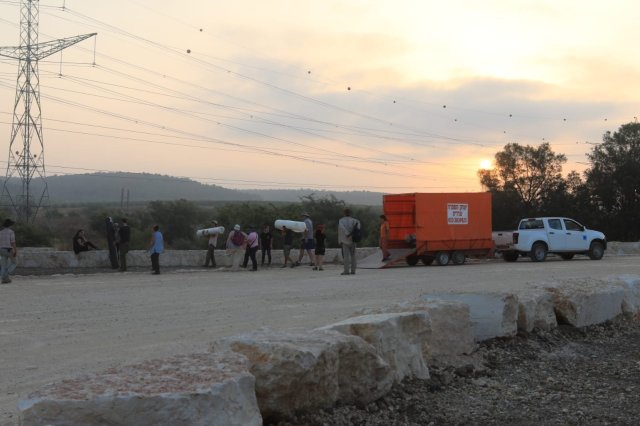

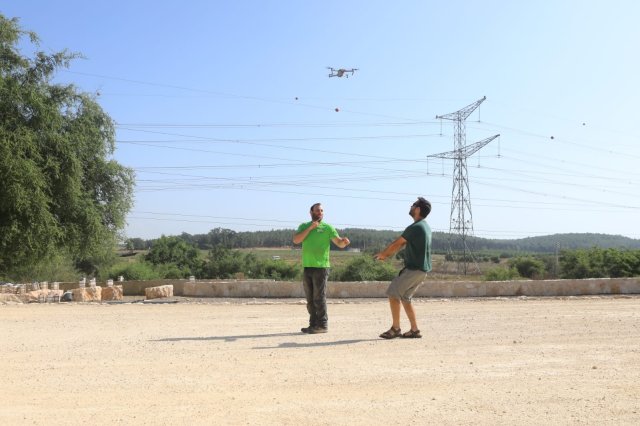
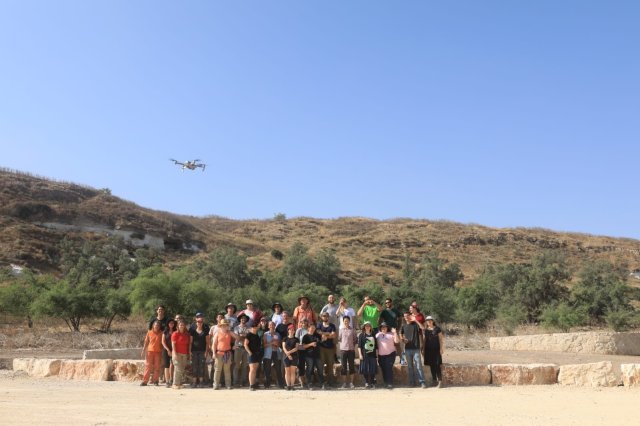
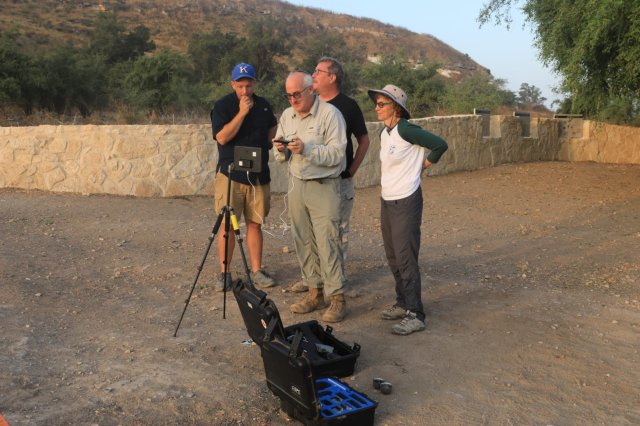
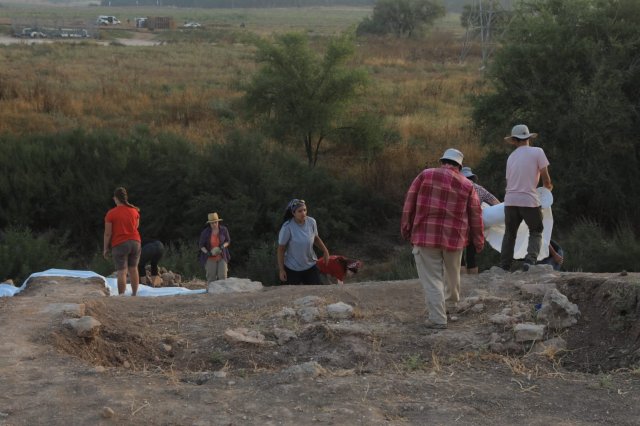

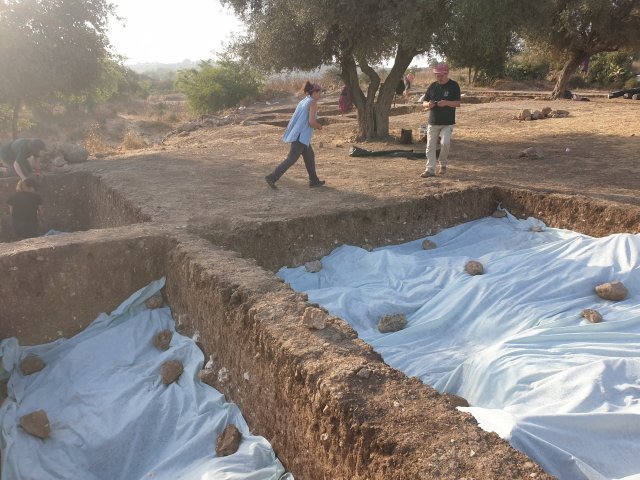

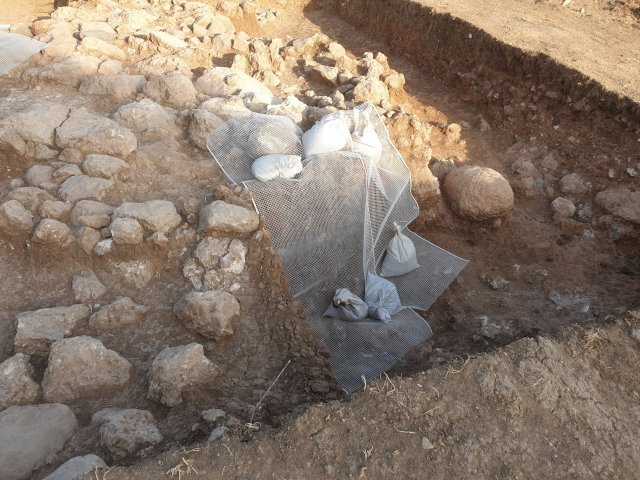

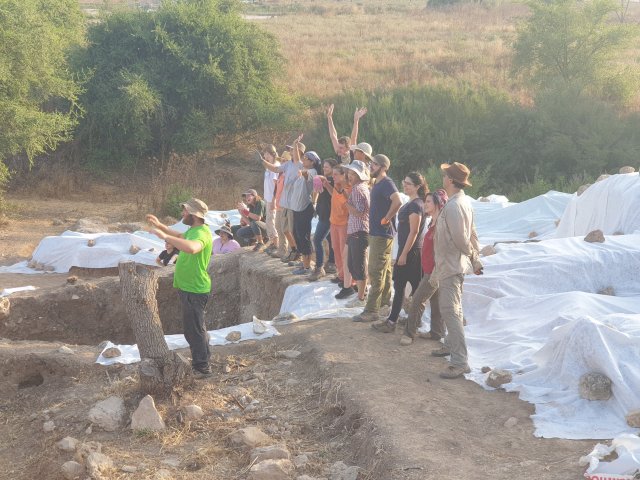
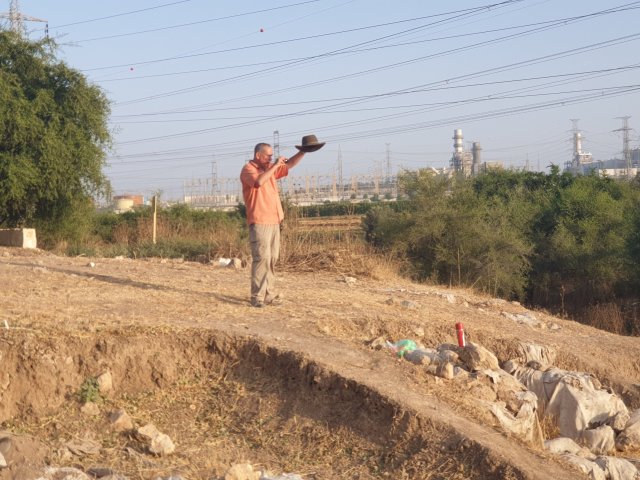
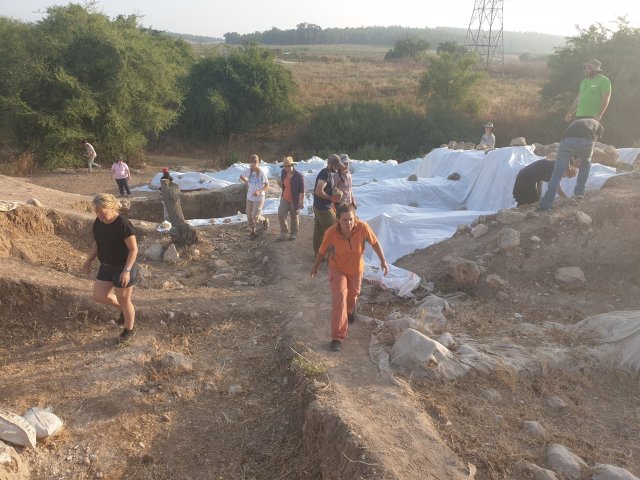


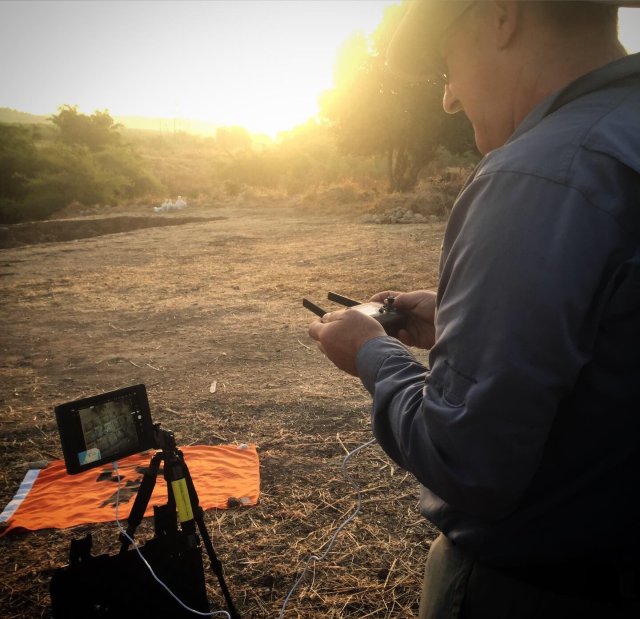
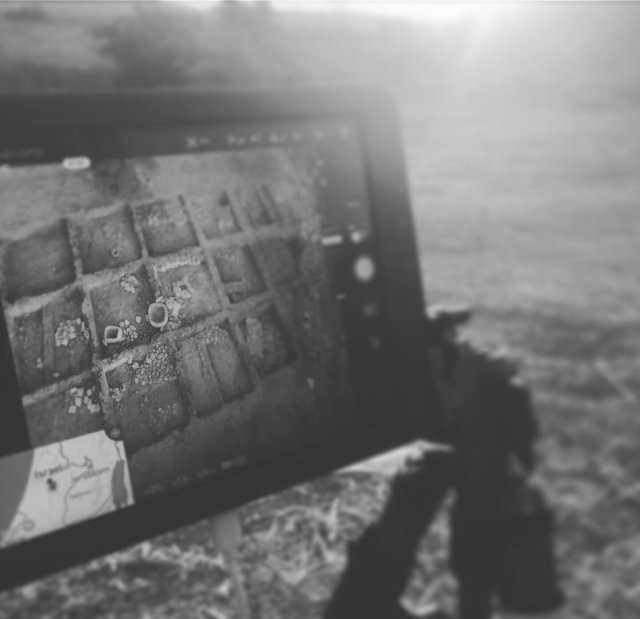


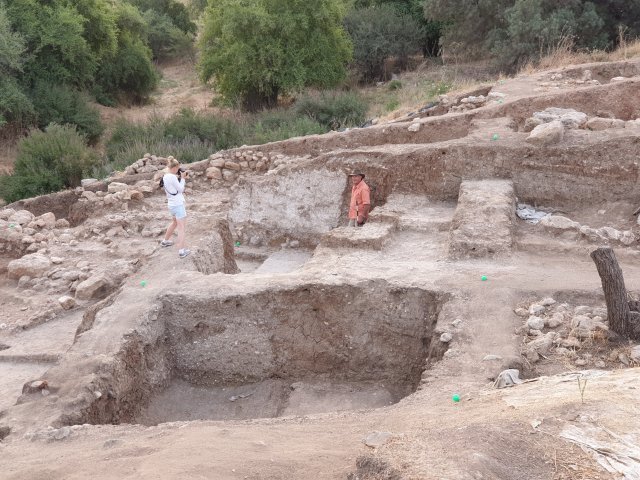

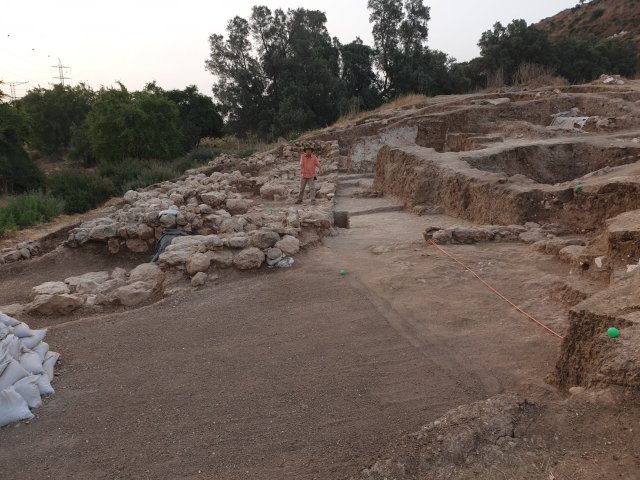
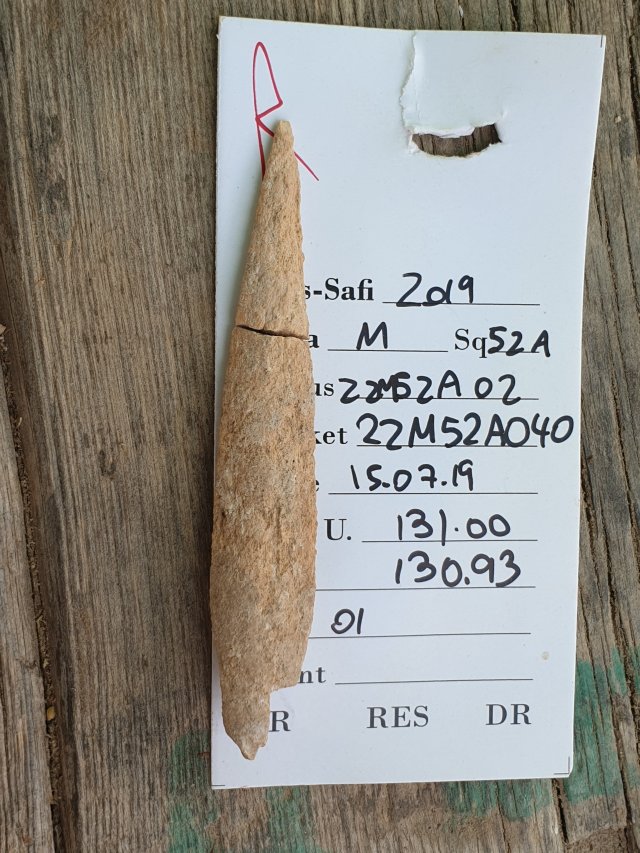


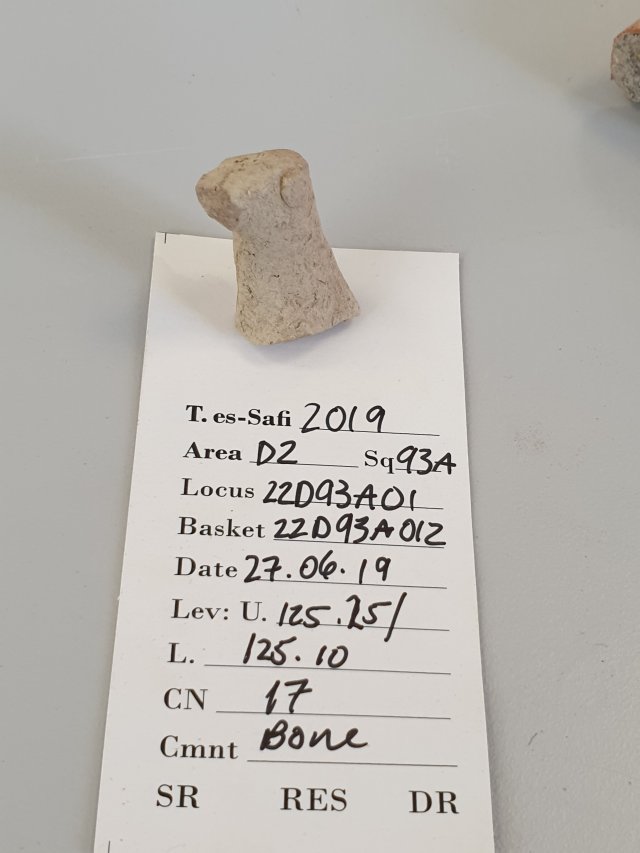
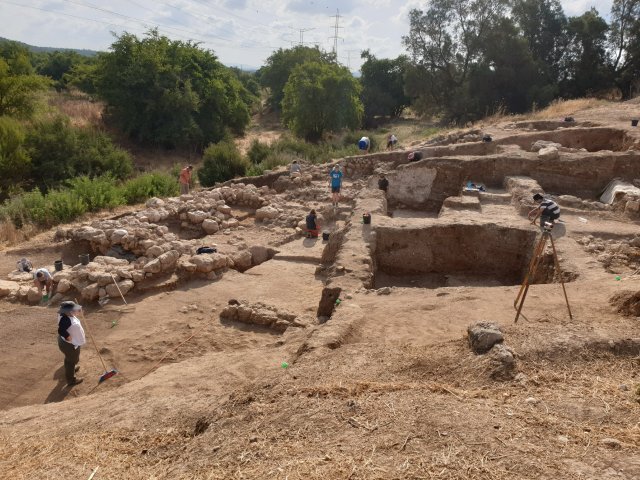


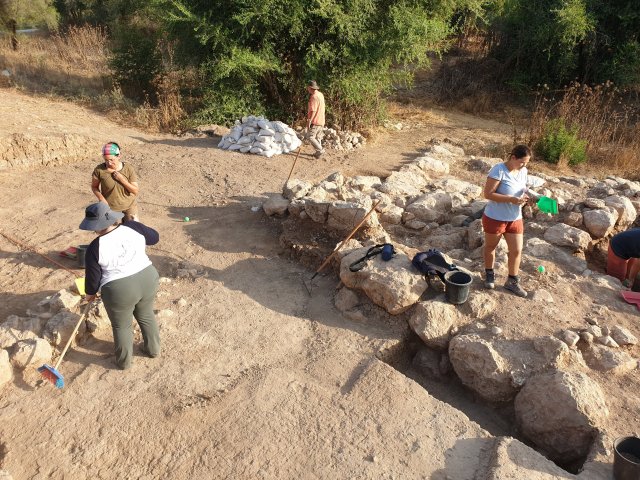
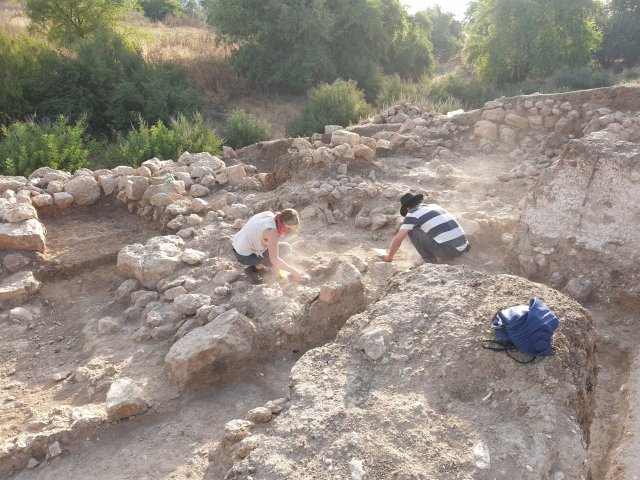
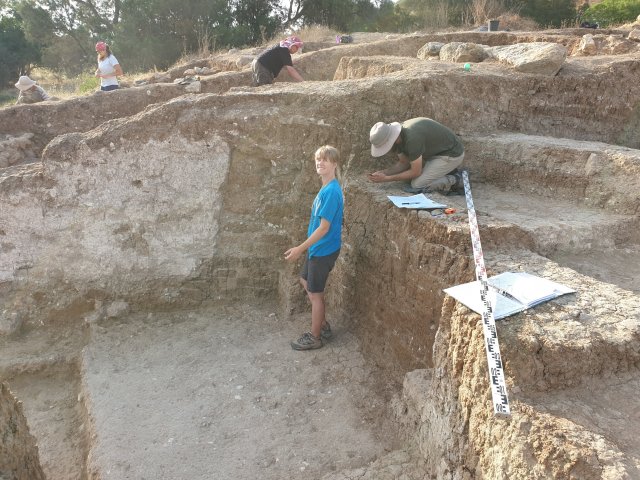


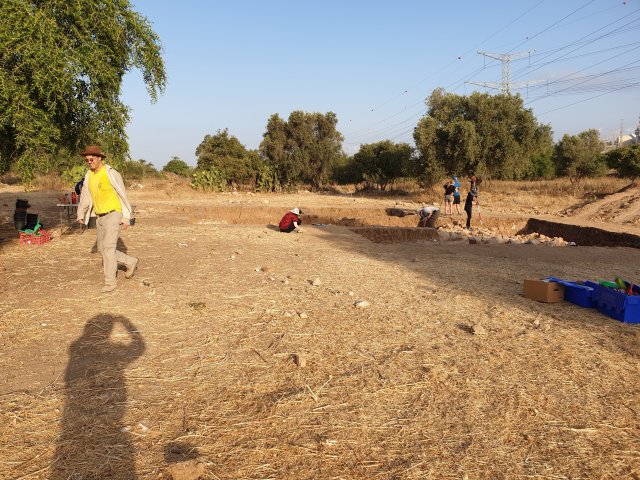
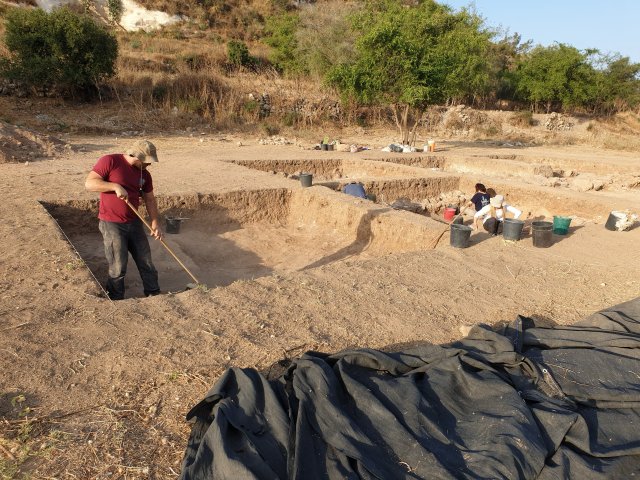
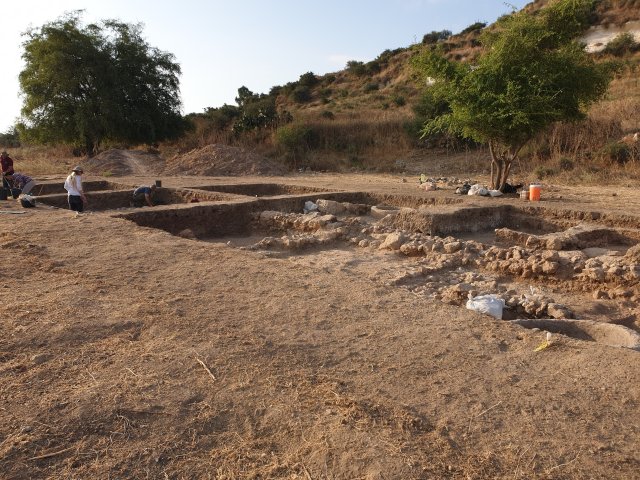


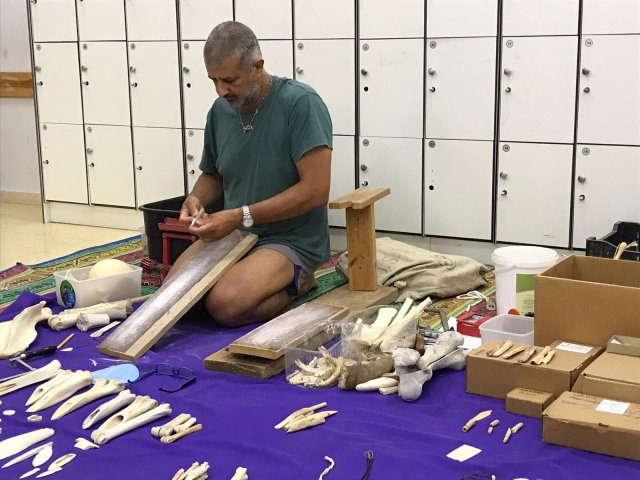


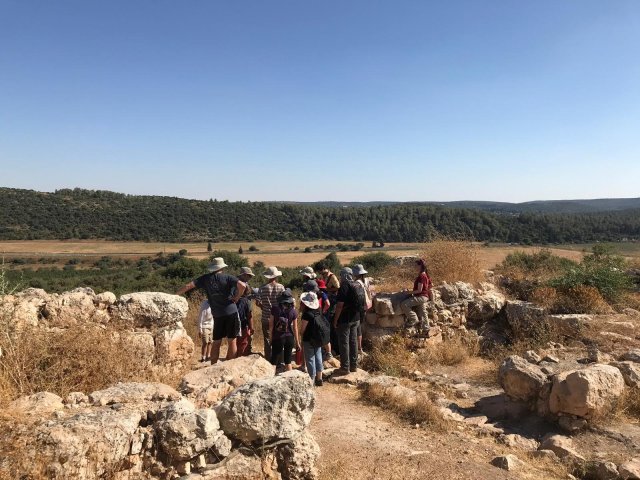


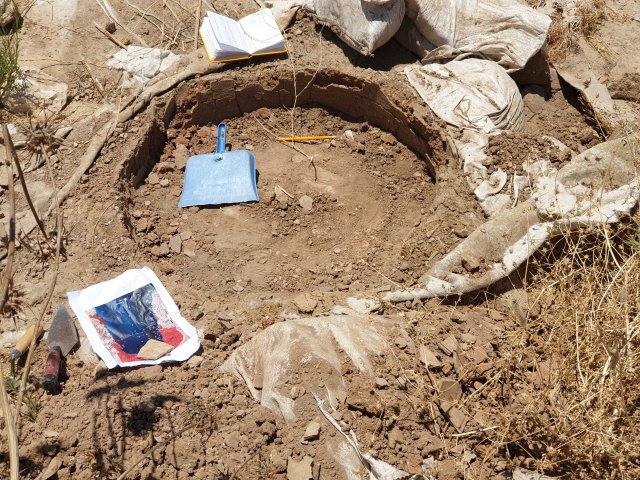
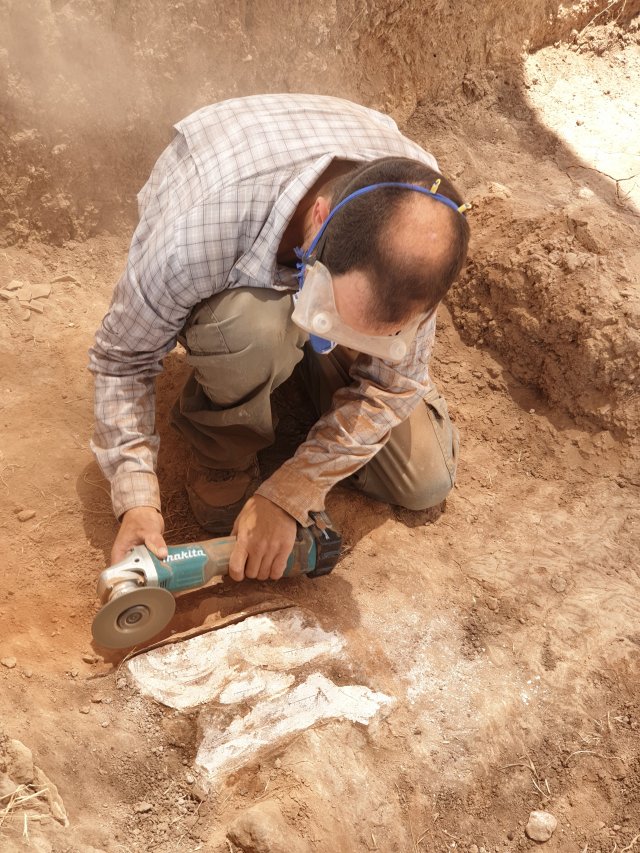

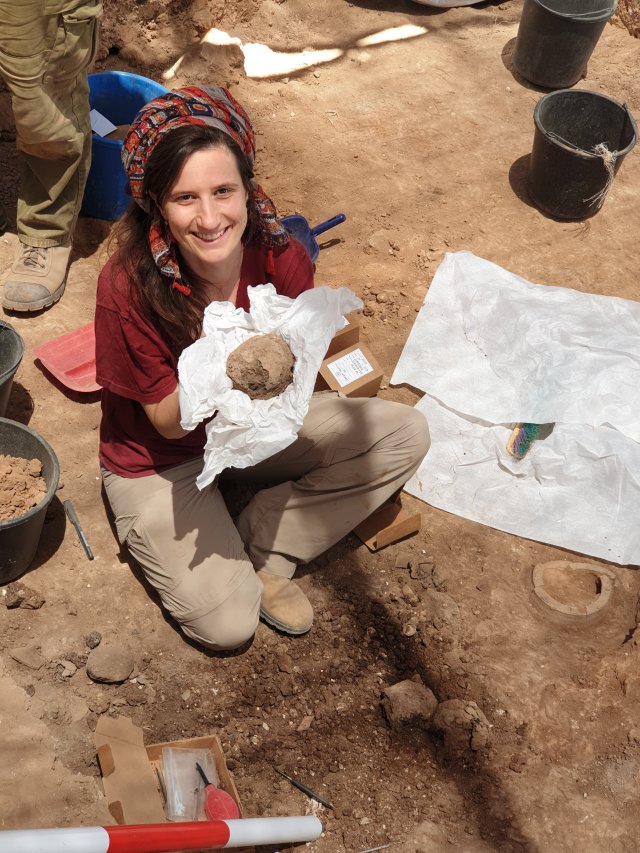

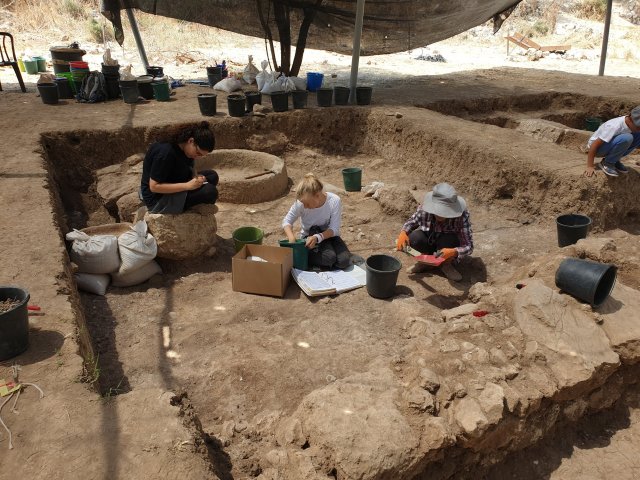


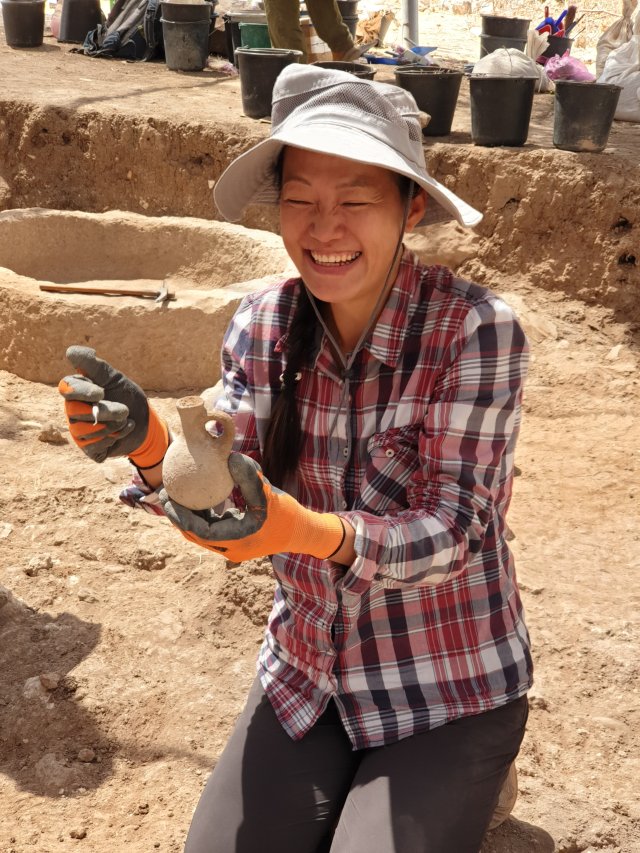

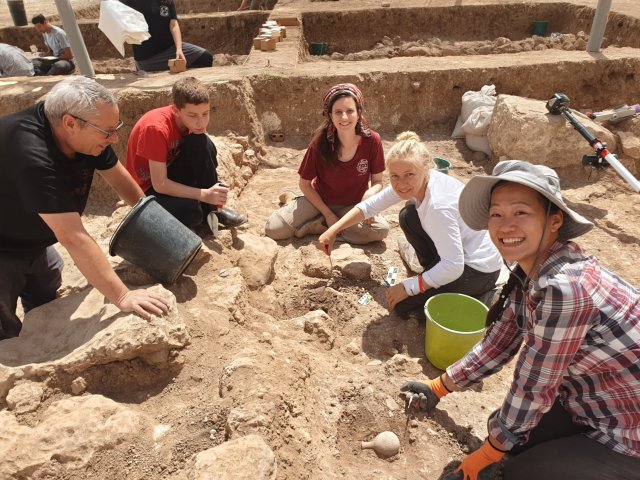

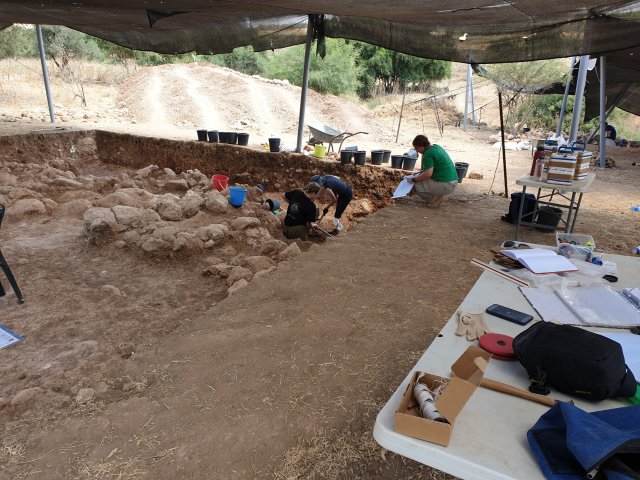

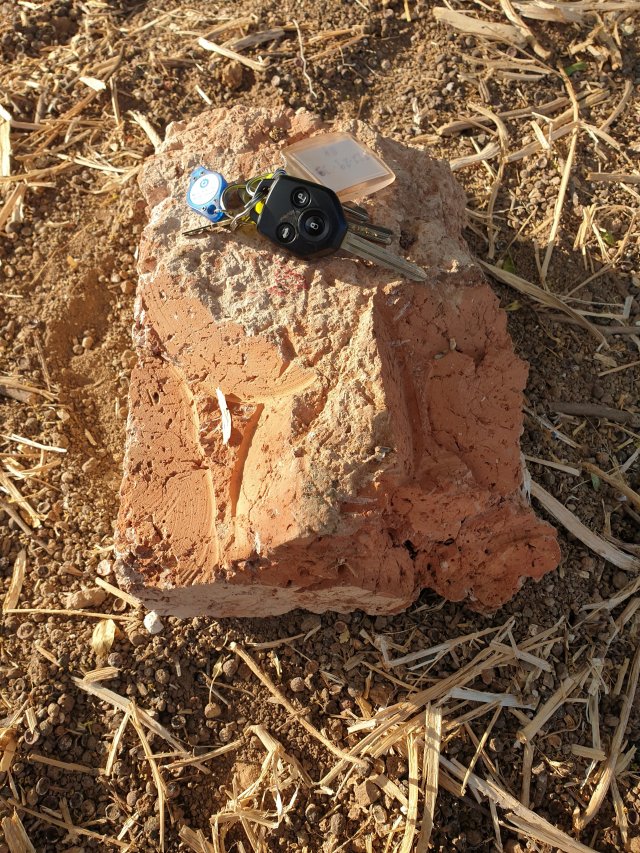
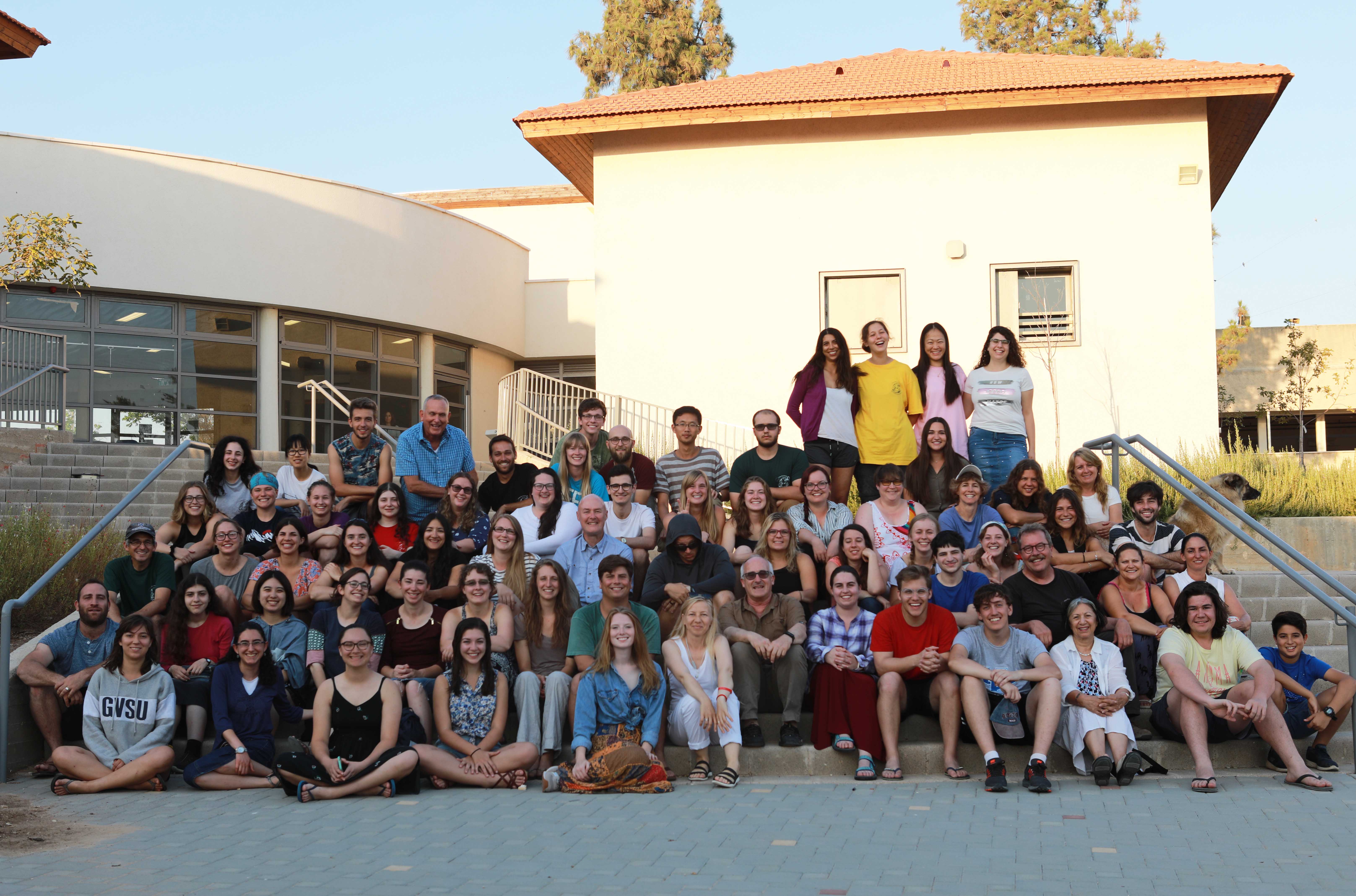

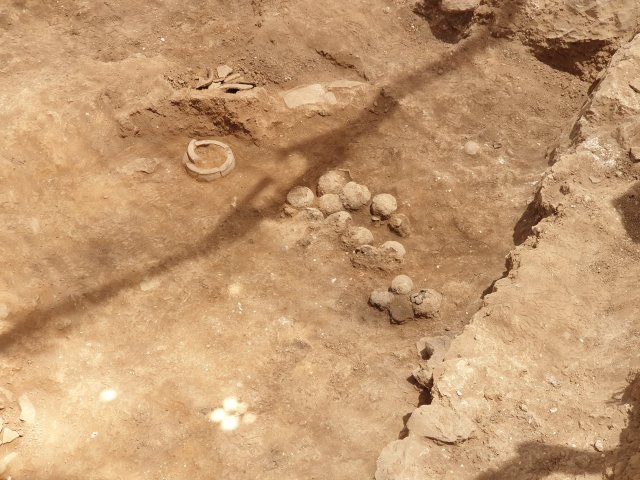

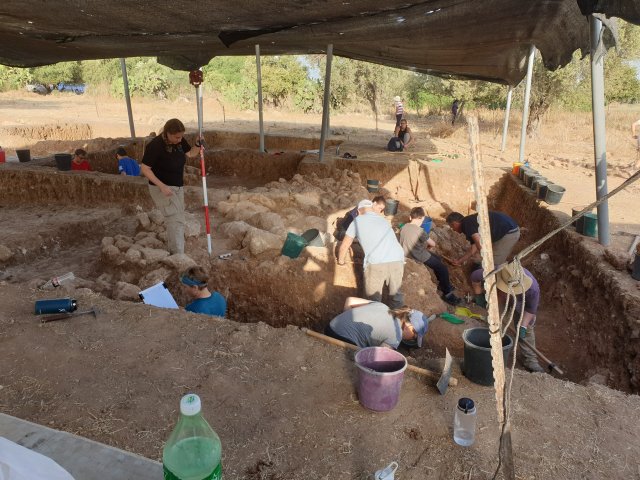


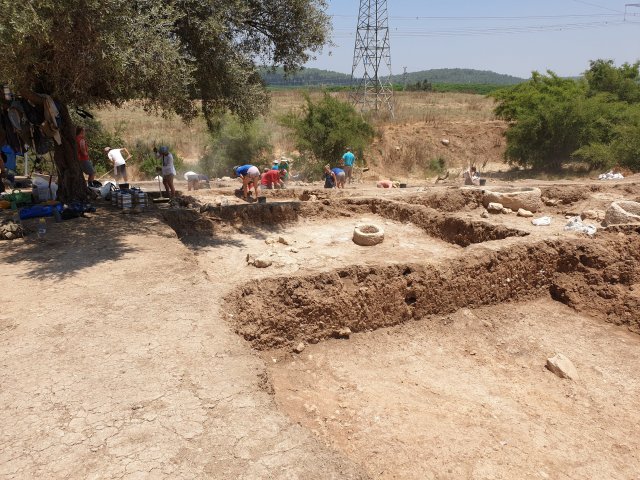
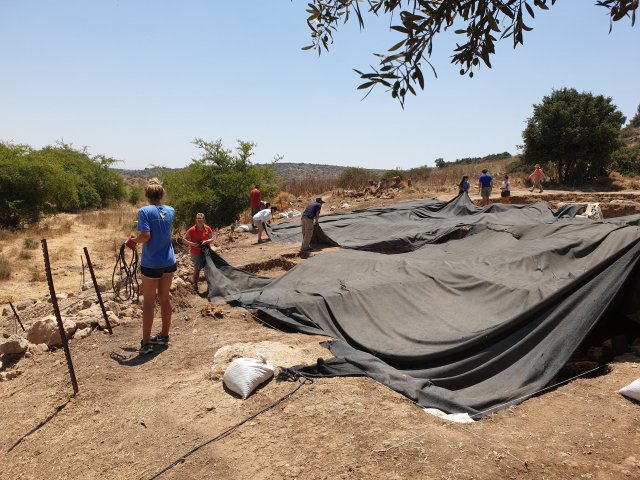
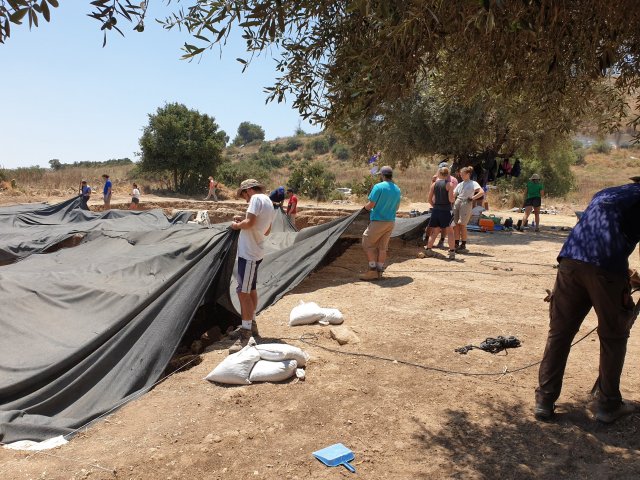
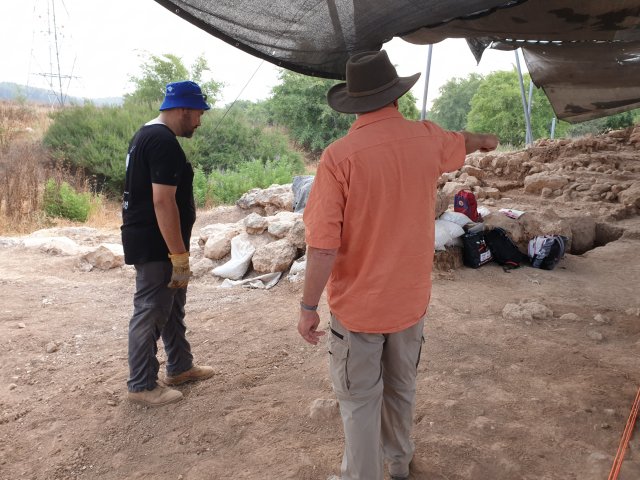

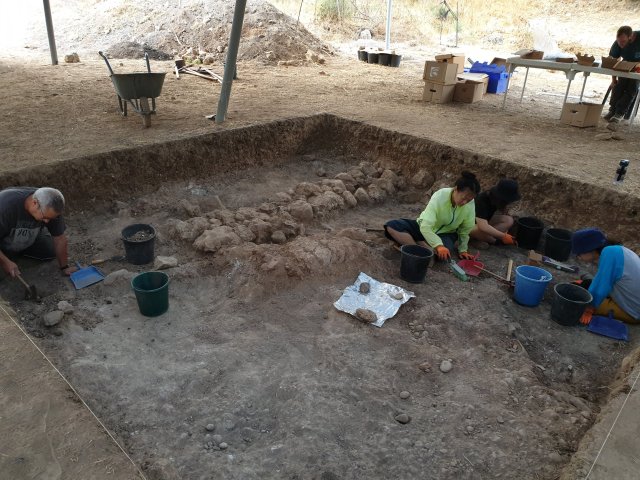


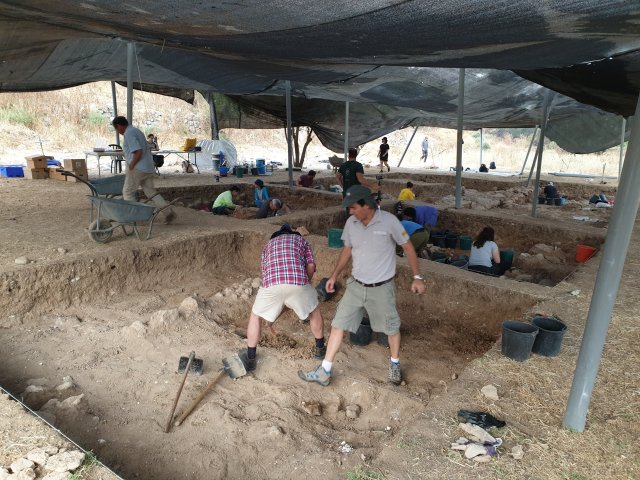
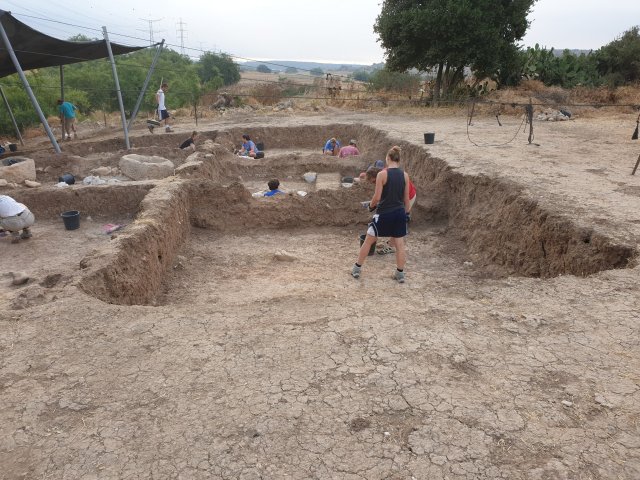

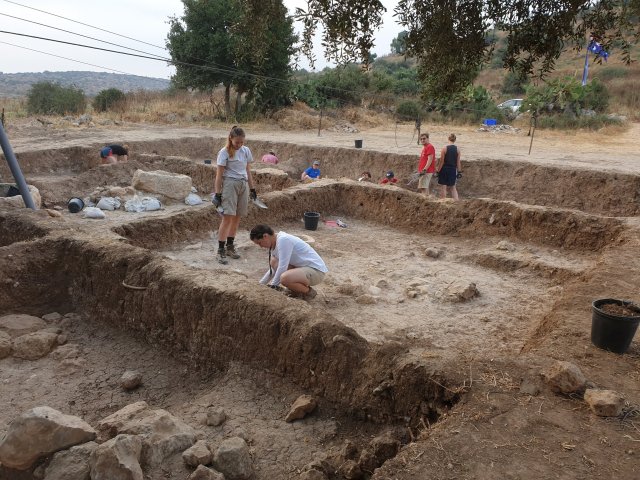
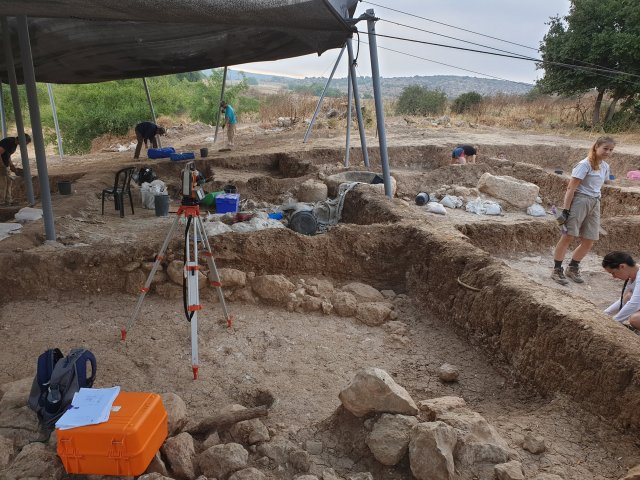

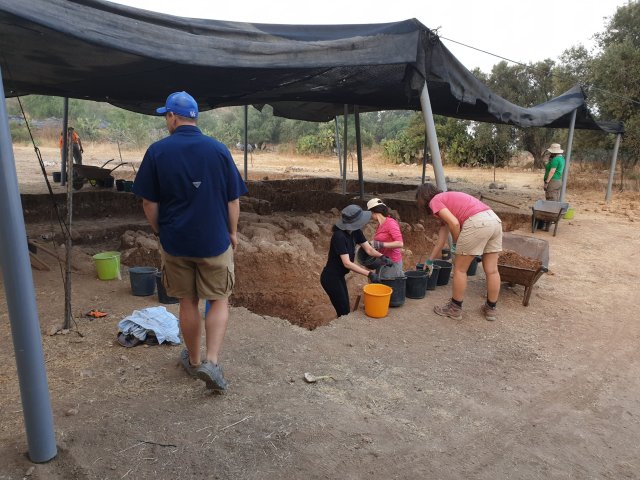

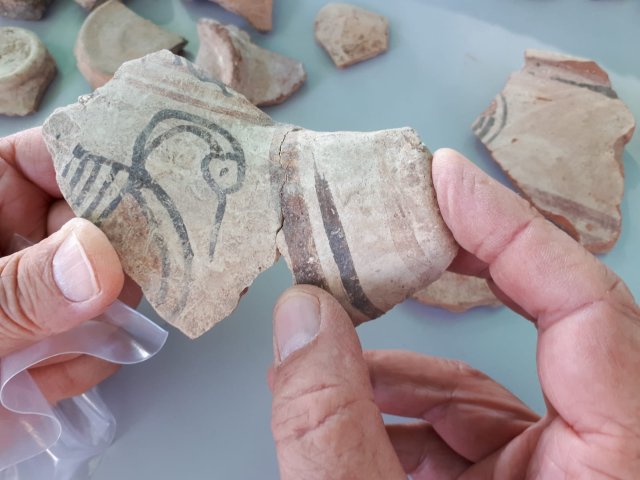


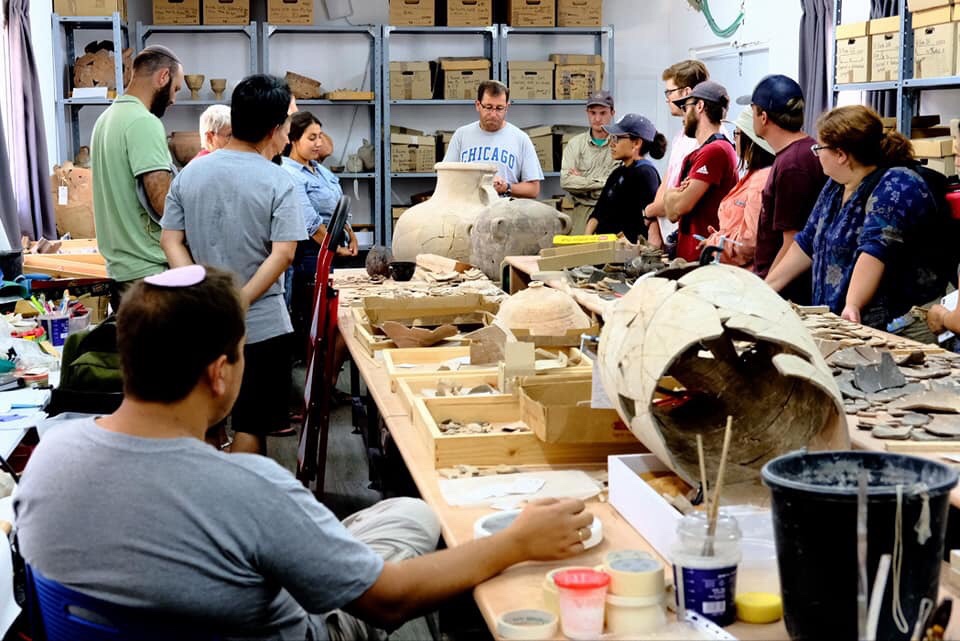

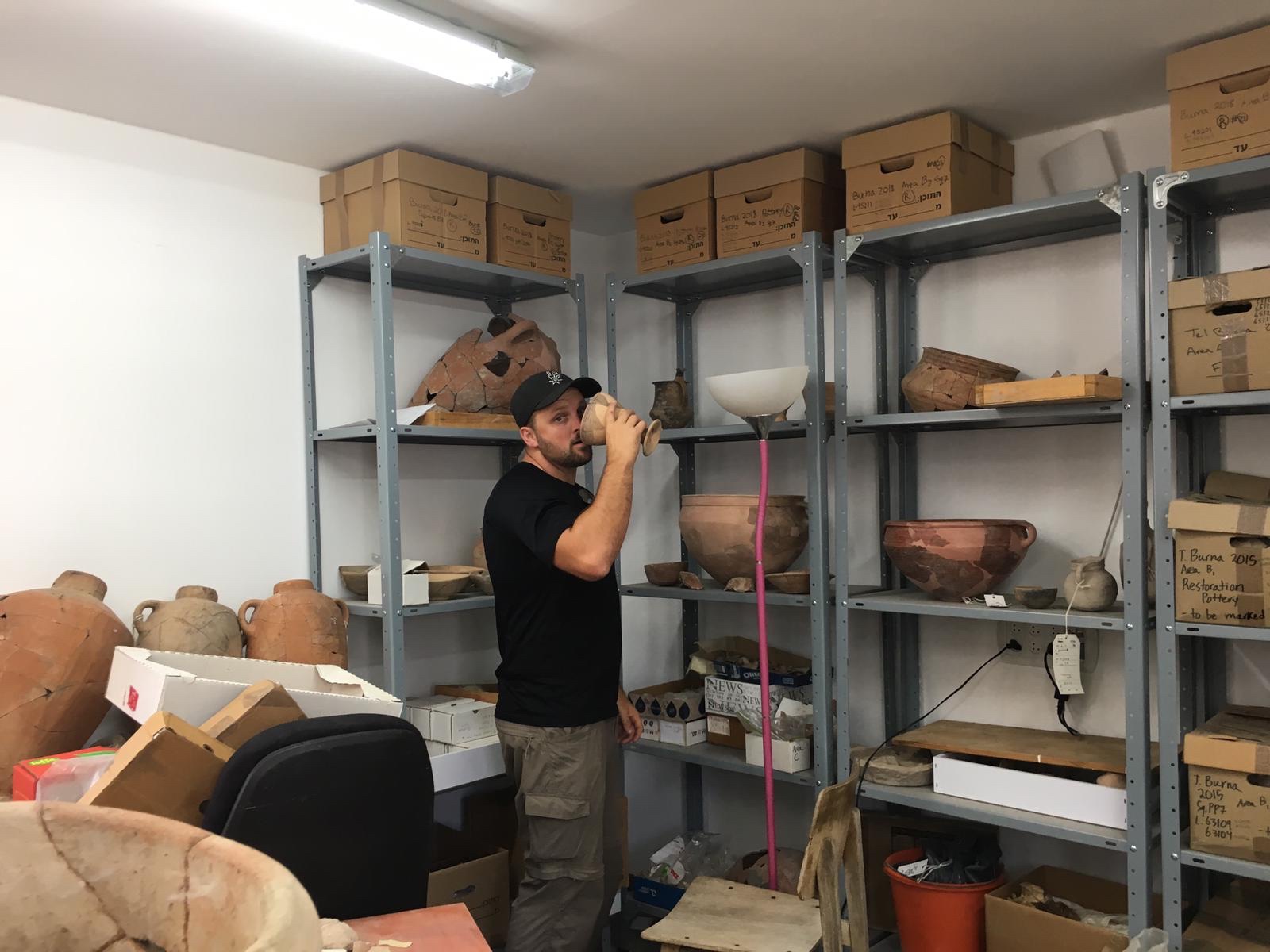


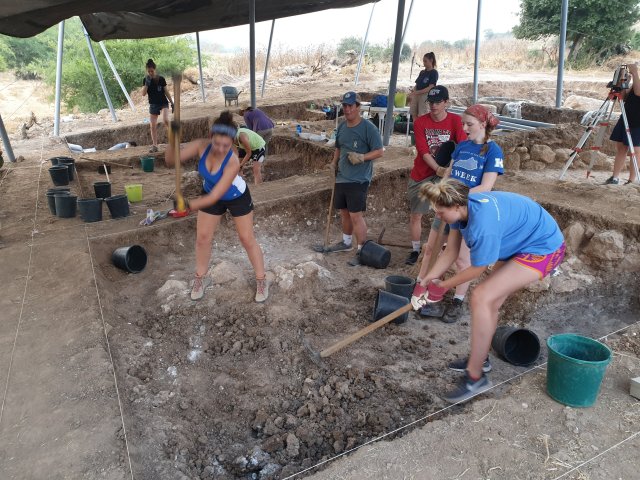


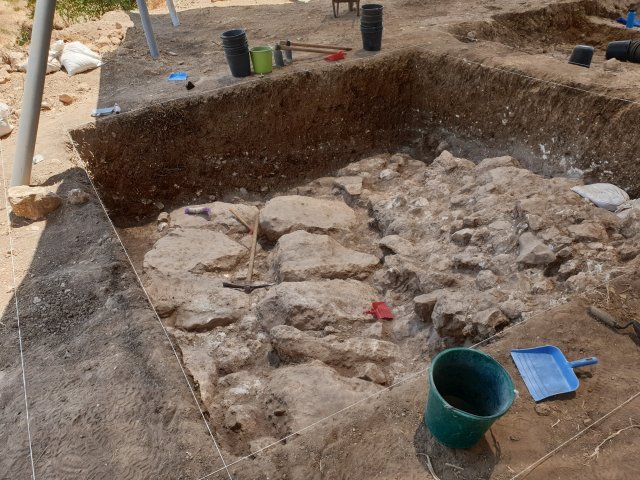


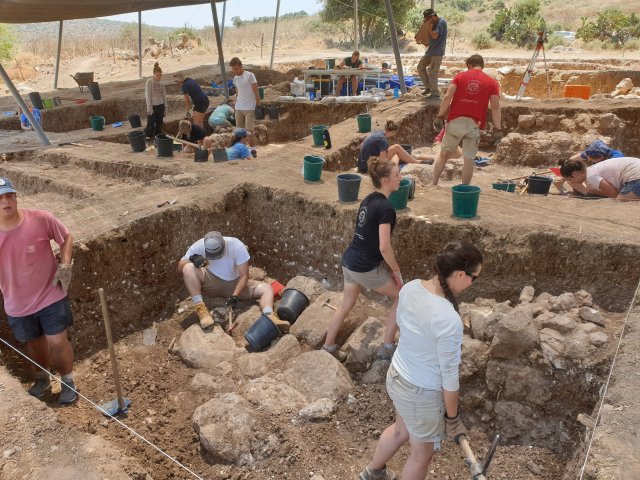
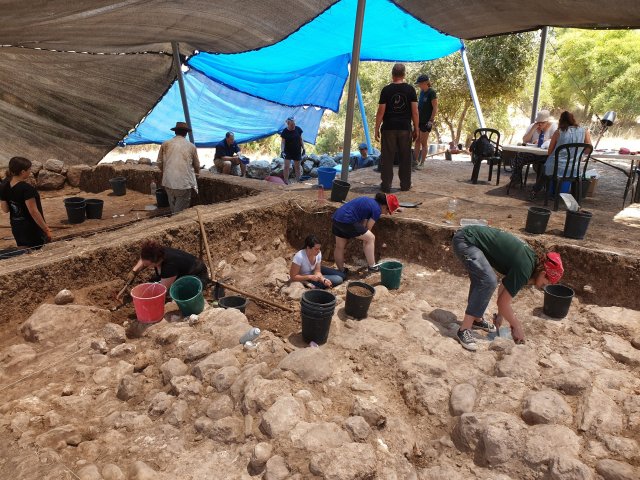


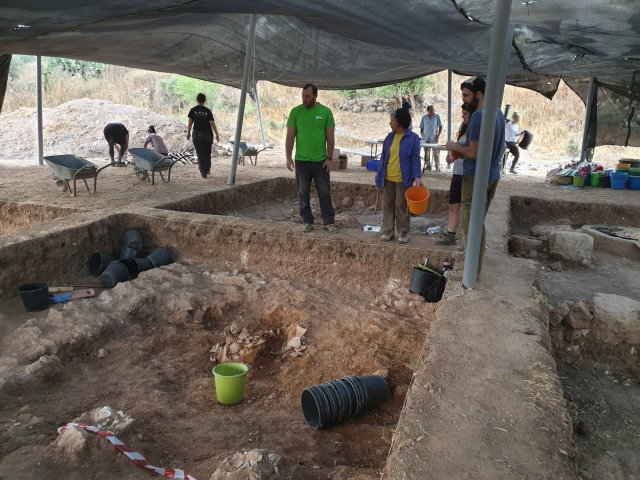
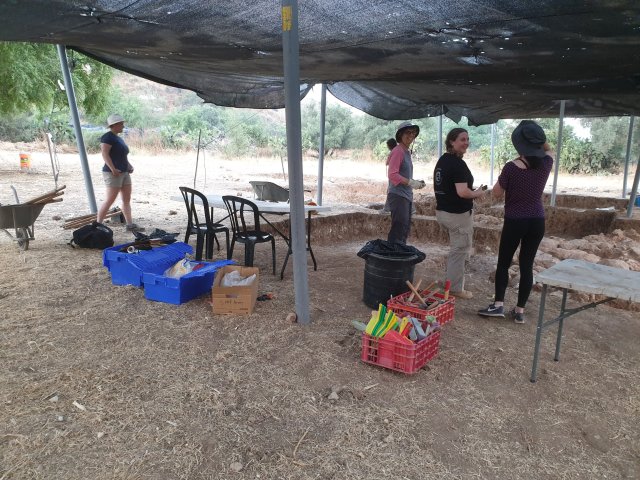
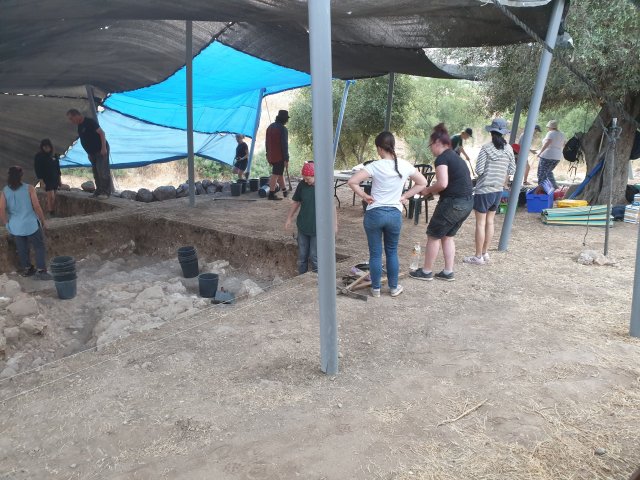

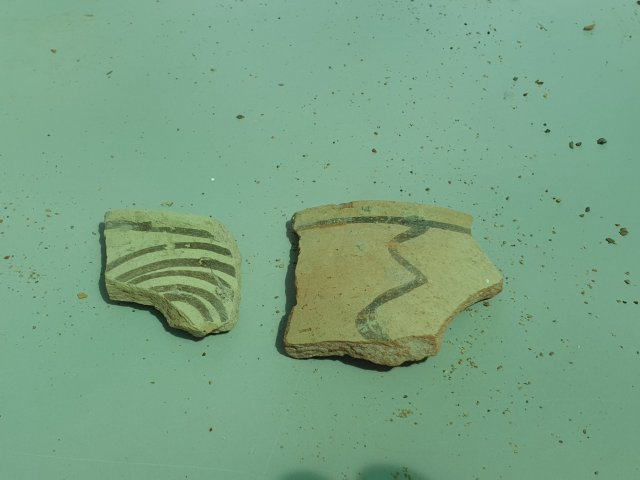


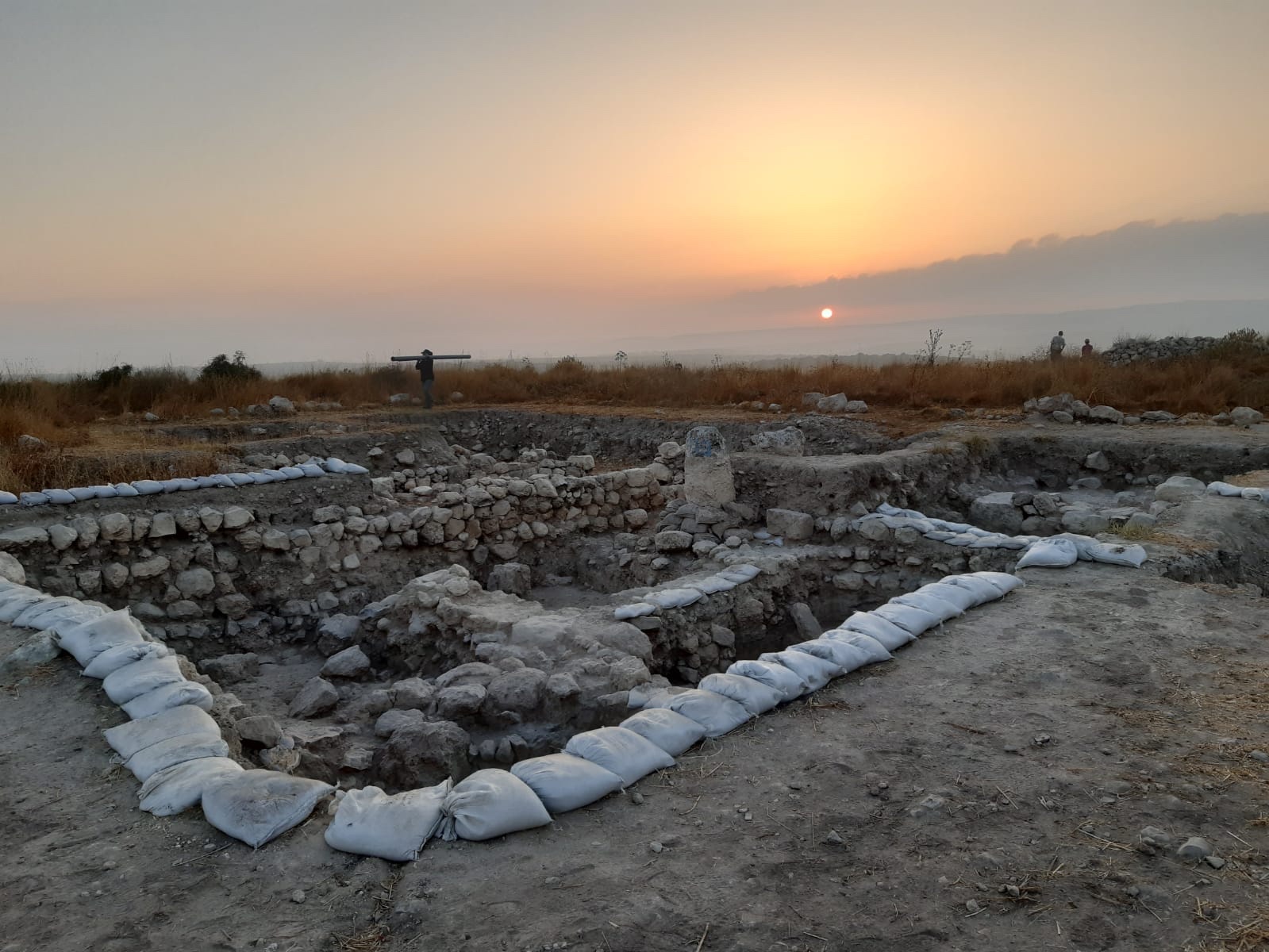
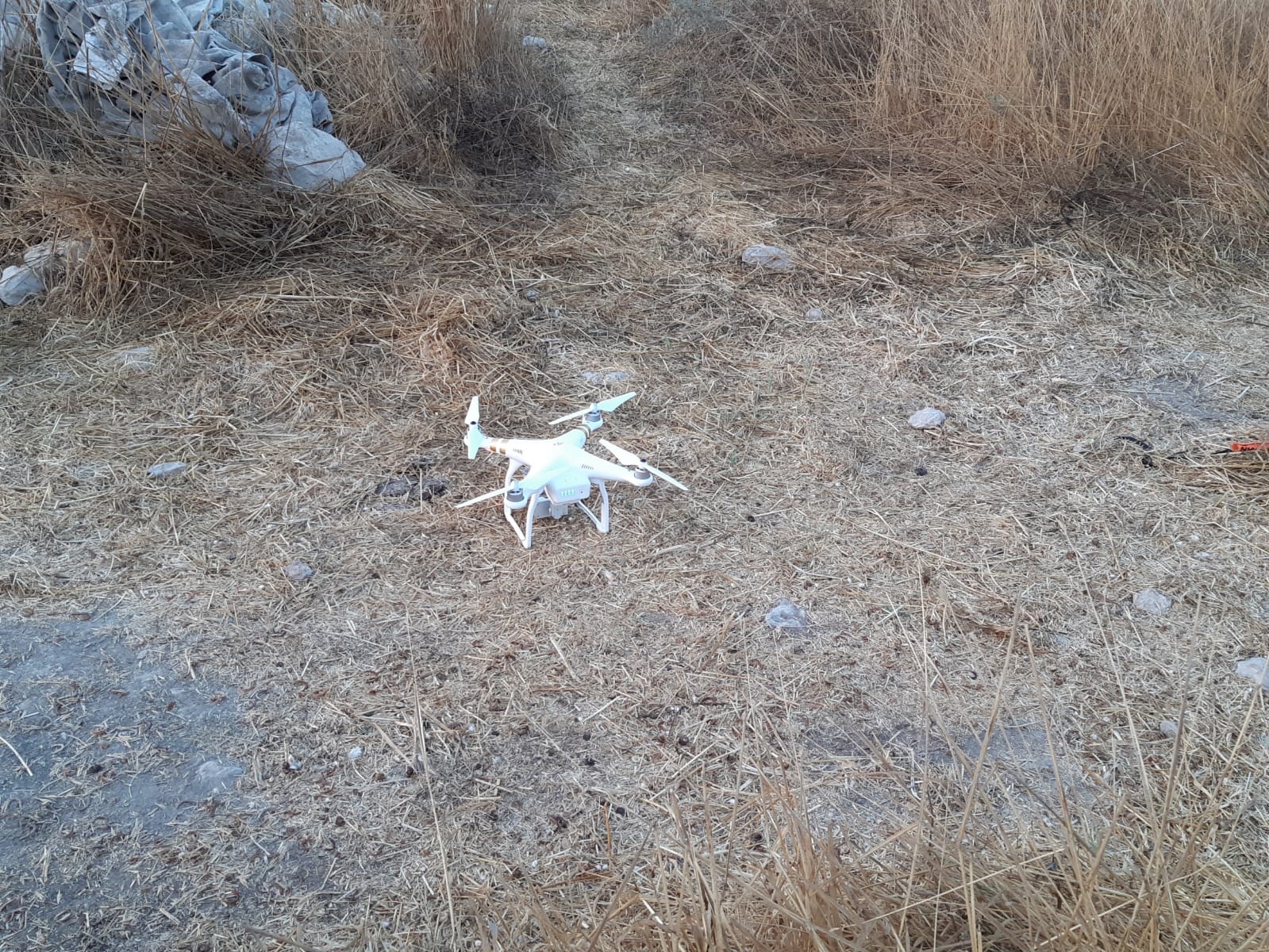


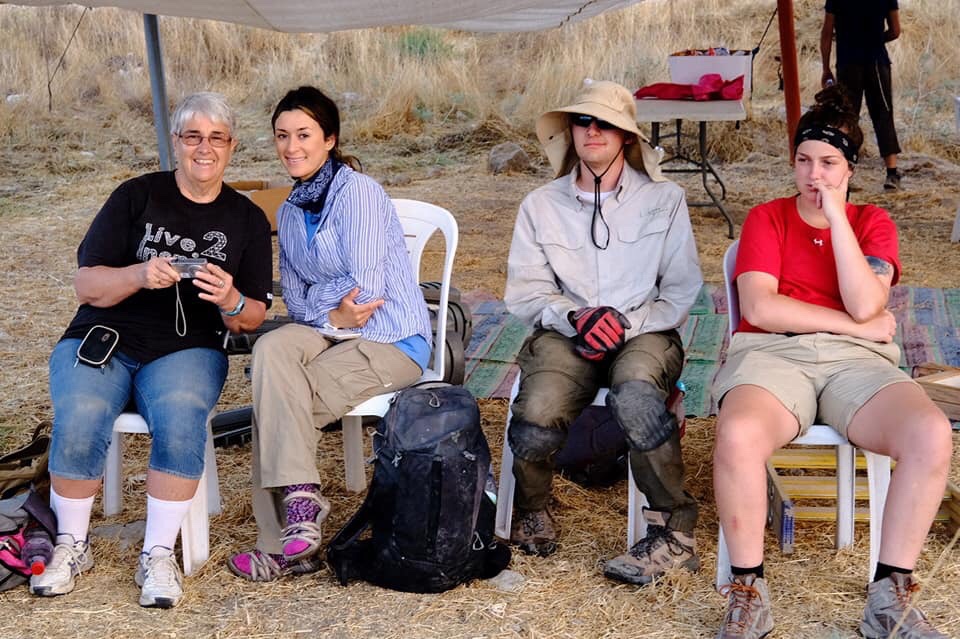

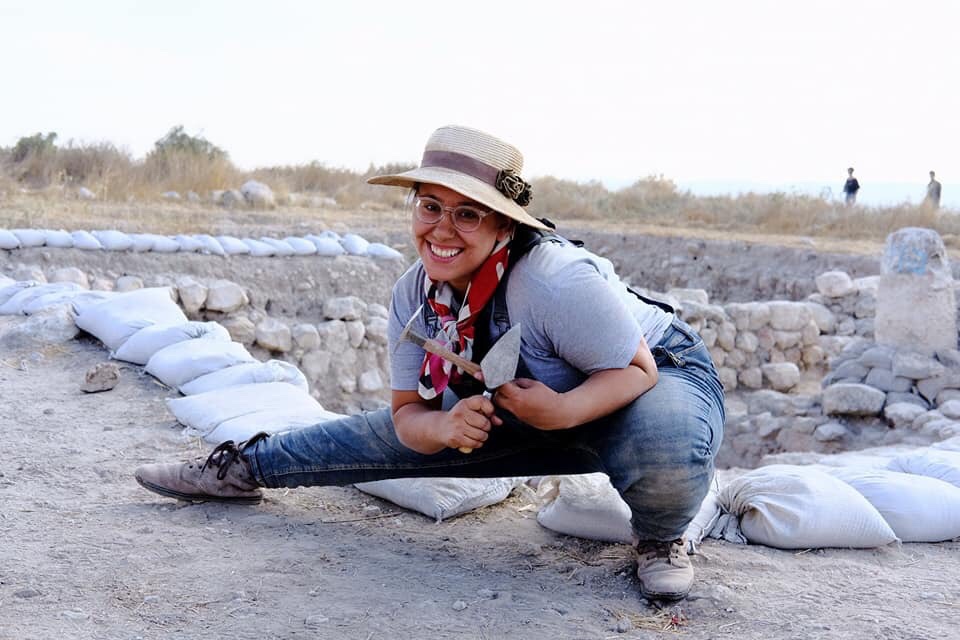

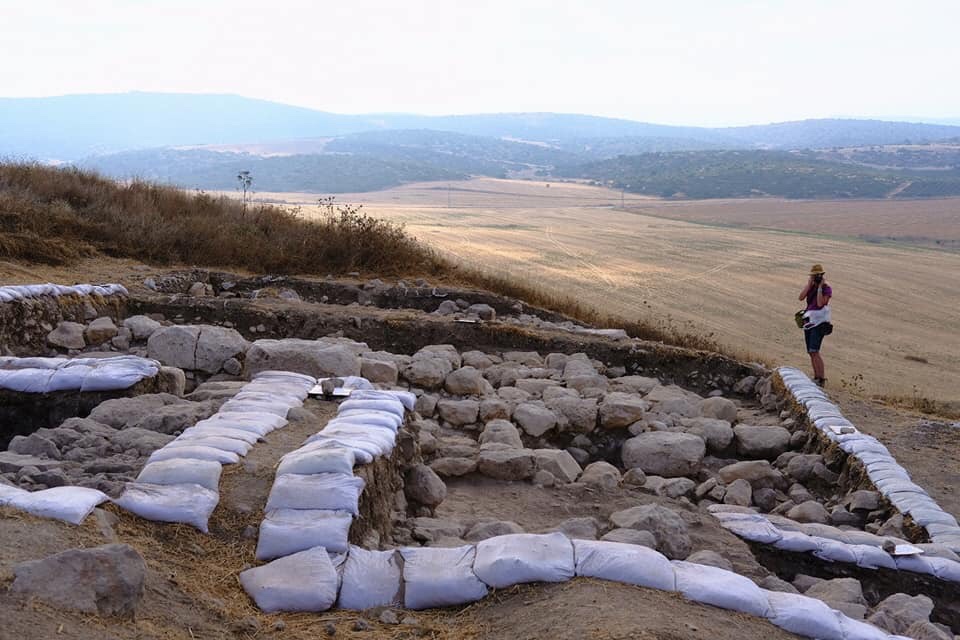

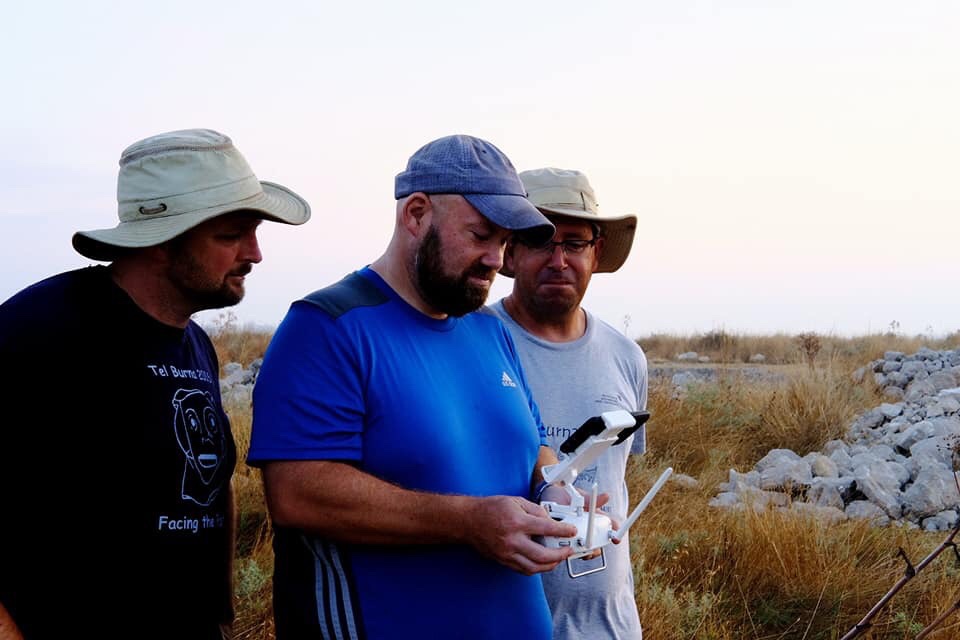



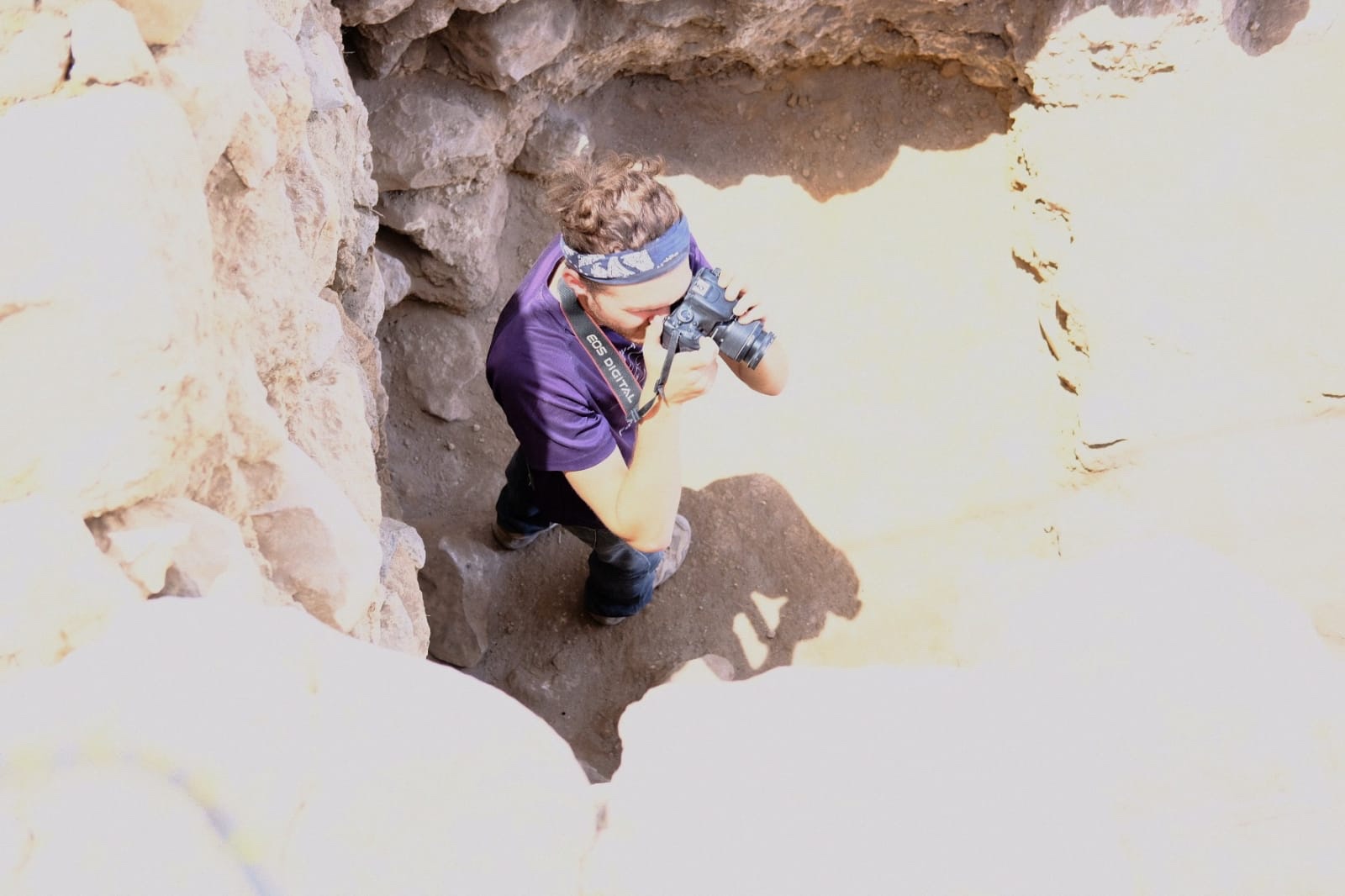
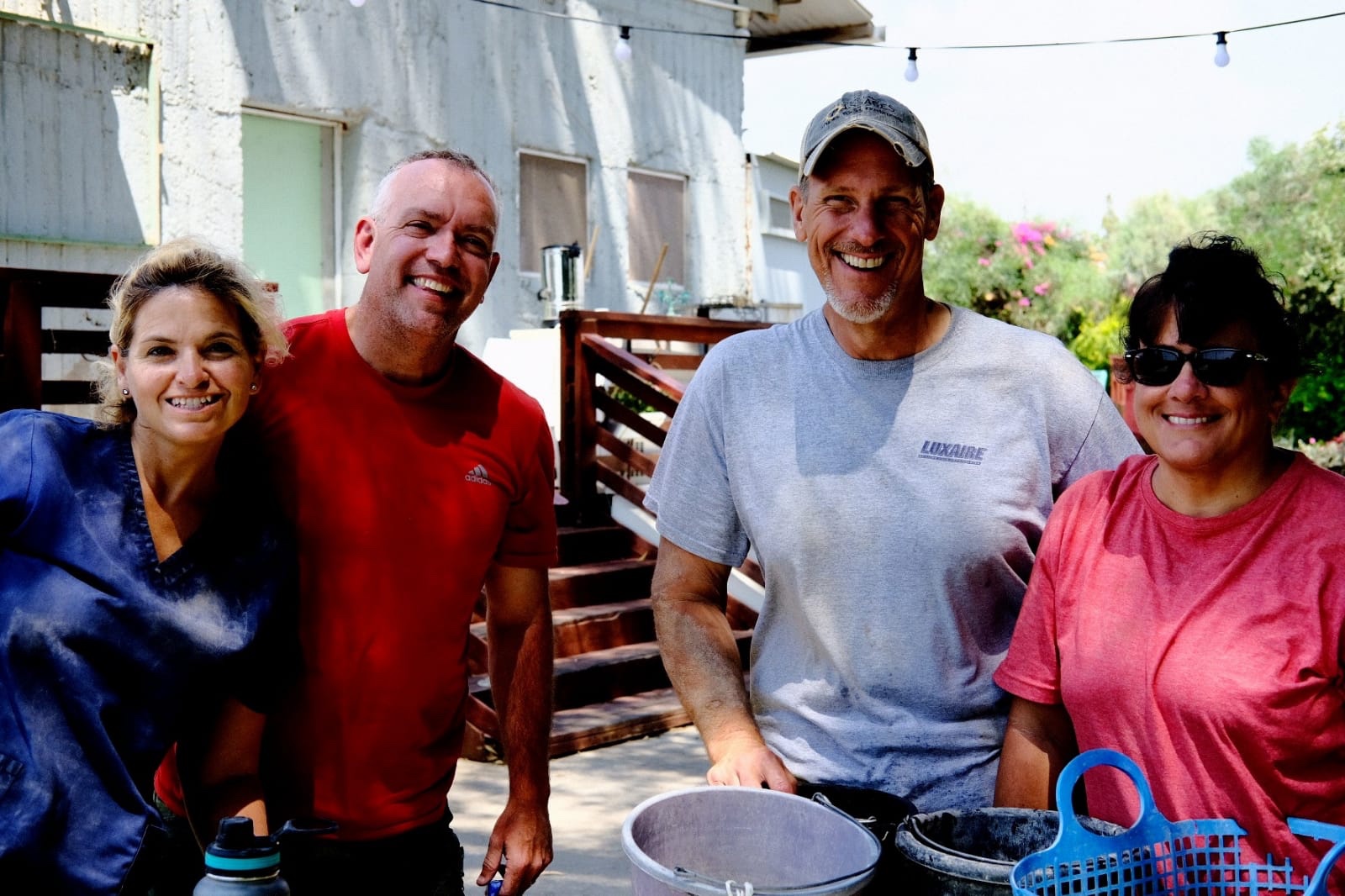
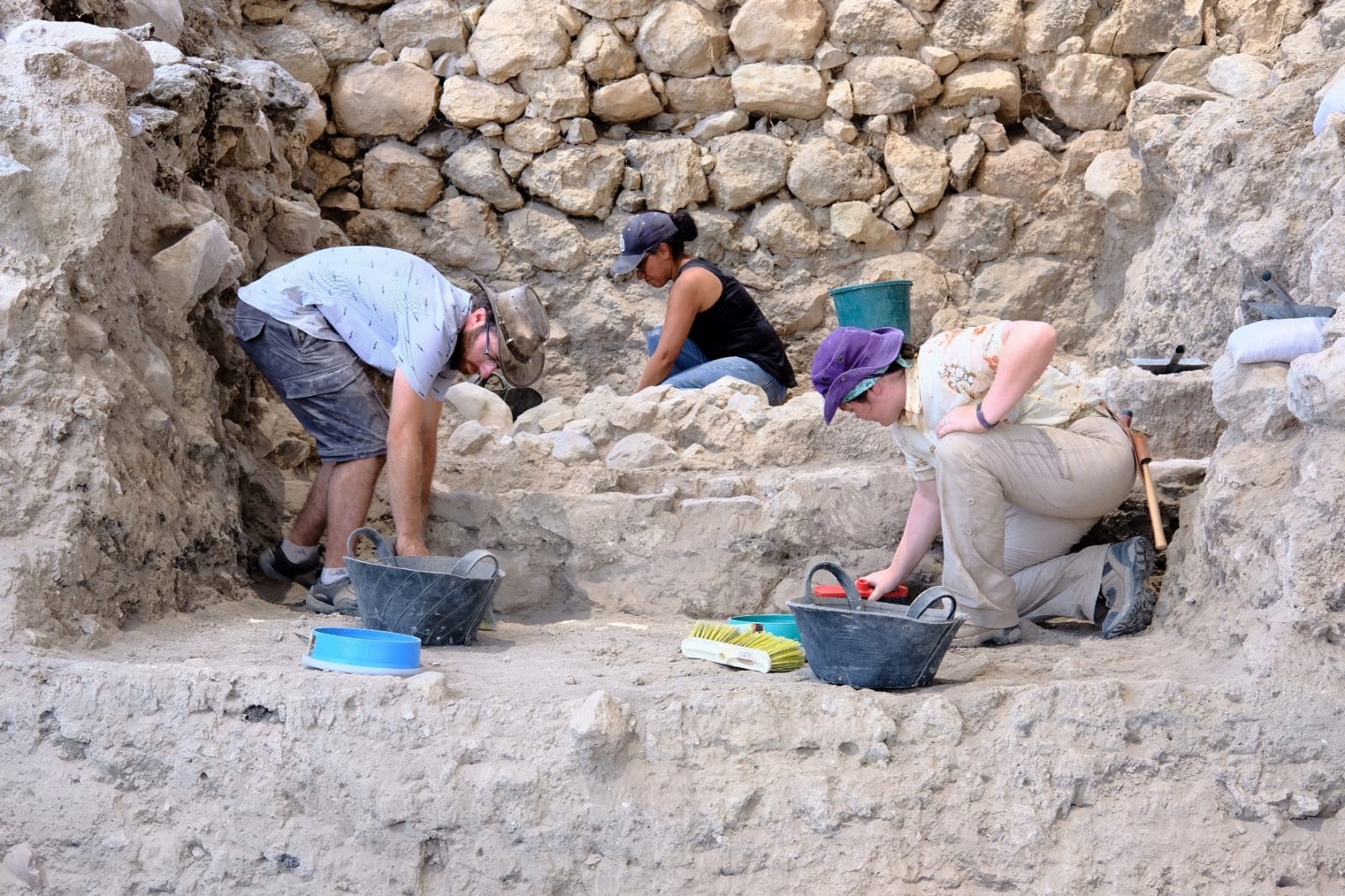

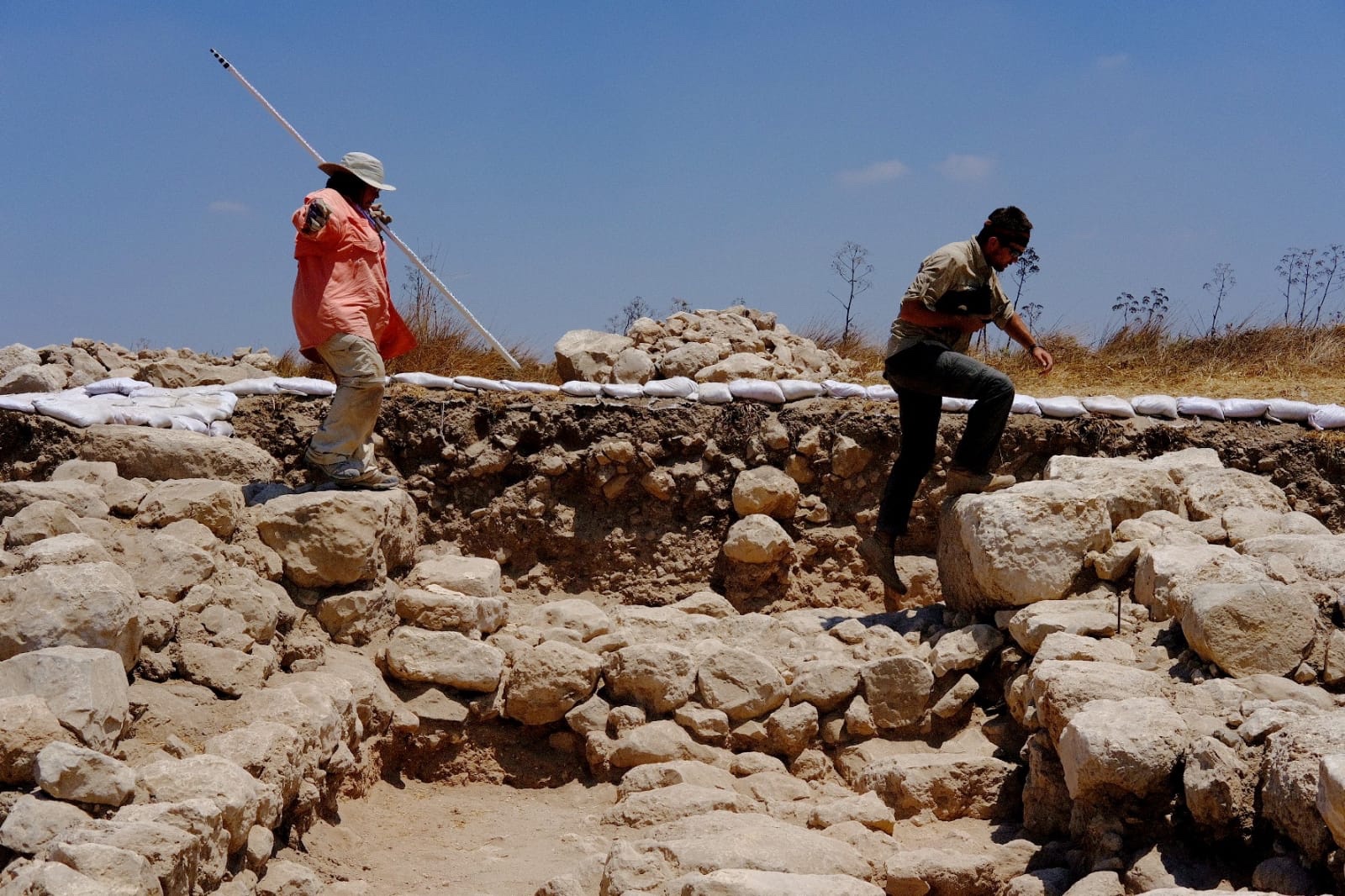


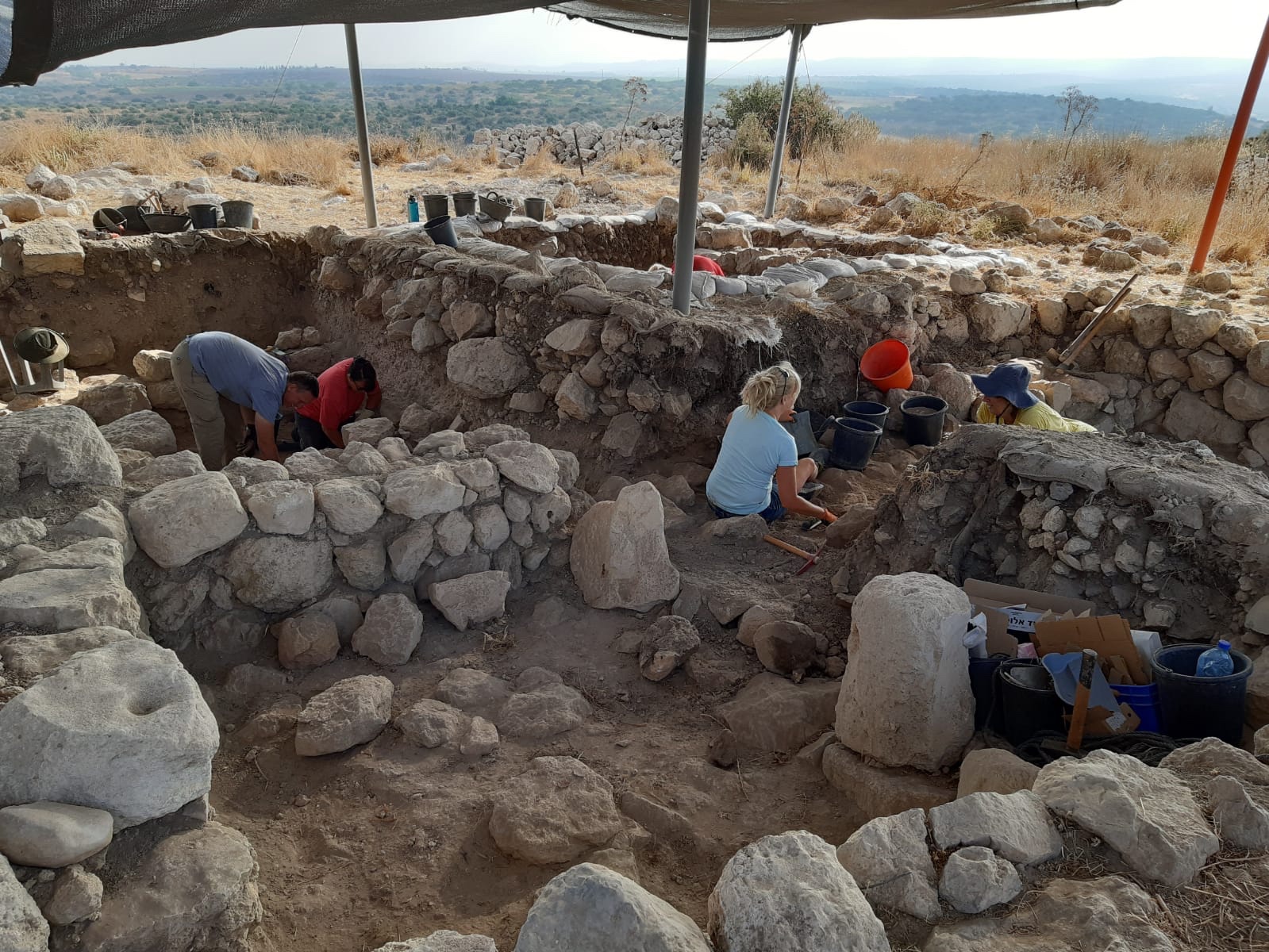
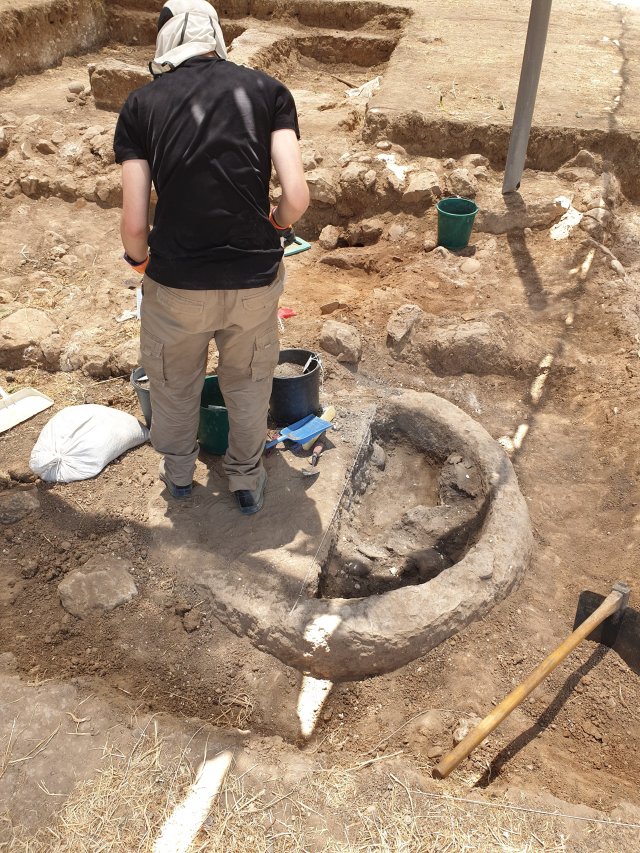


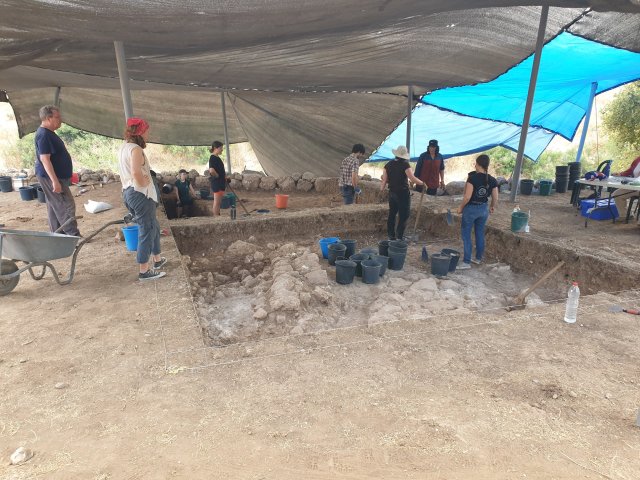


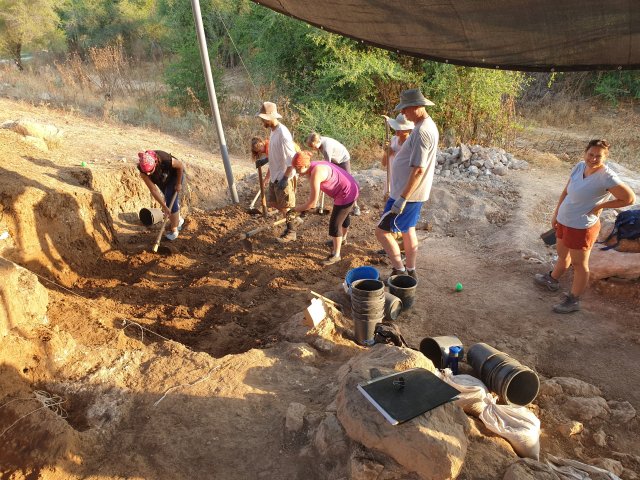
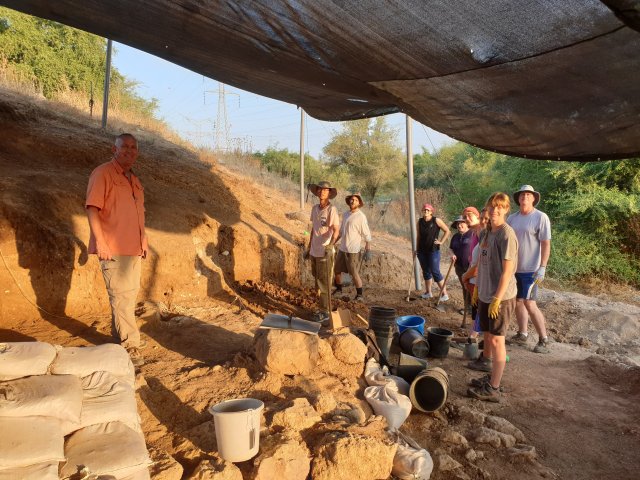
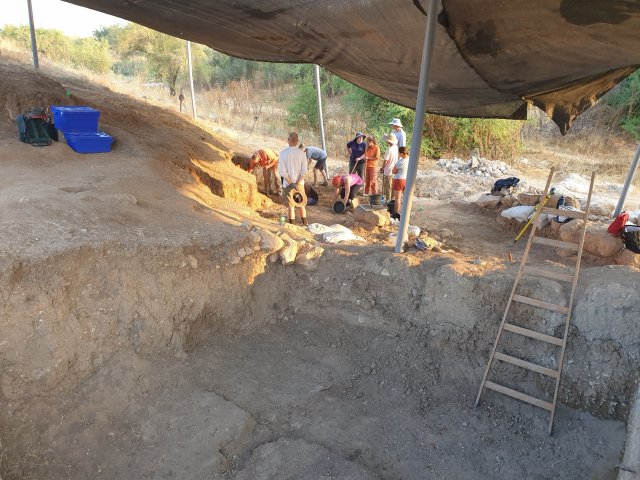
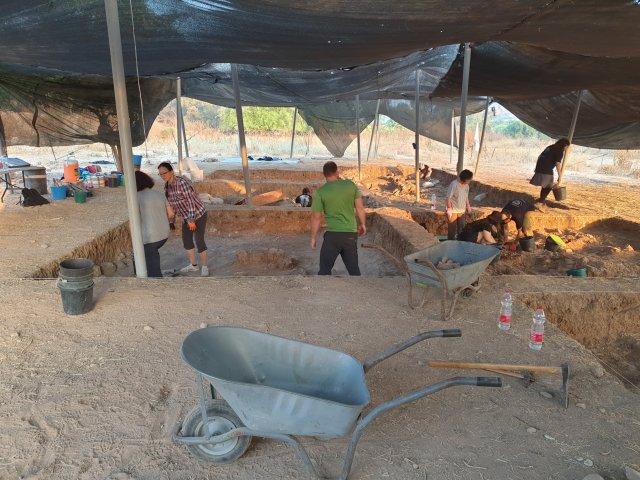
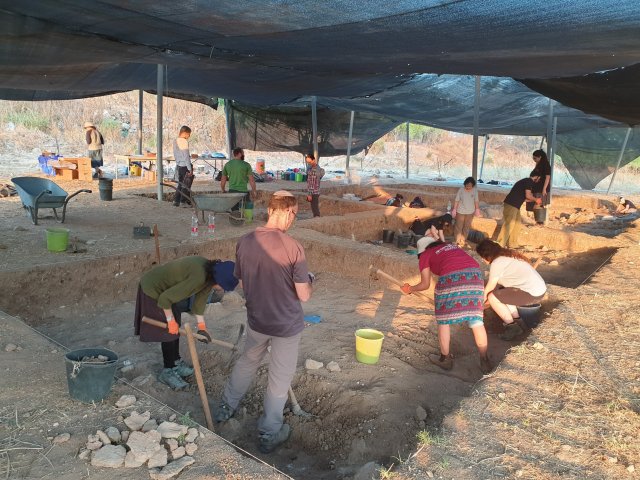
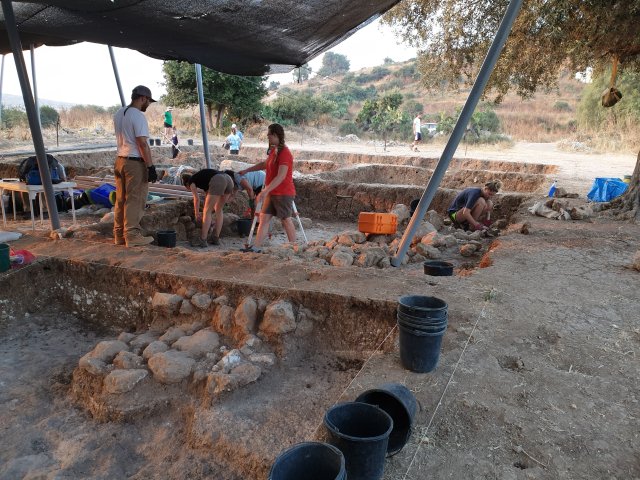
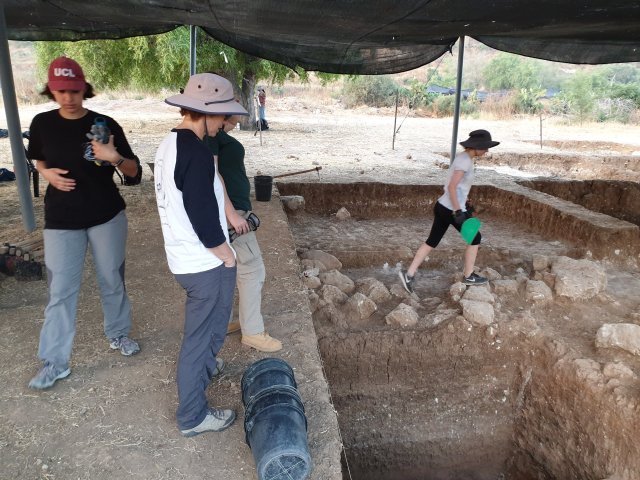
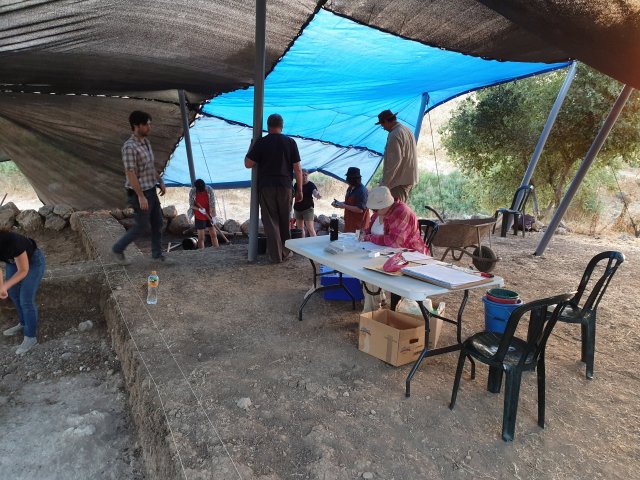

For those of you who don’t know what a beer jug is, here is one that I’m holding – notice the strainer spout:
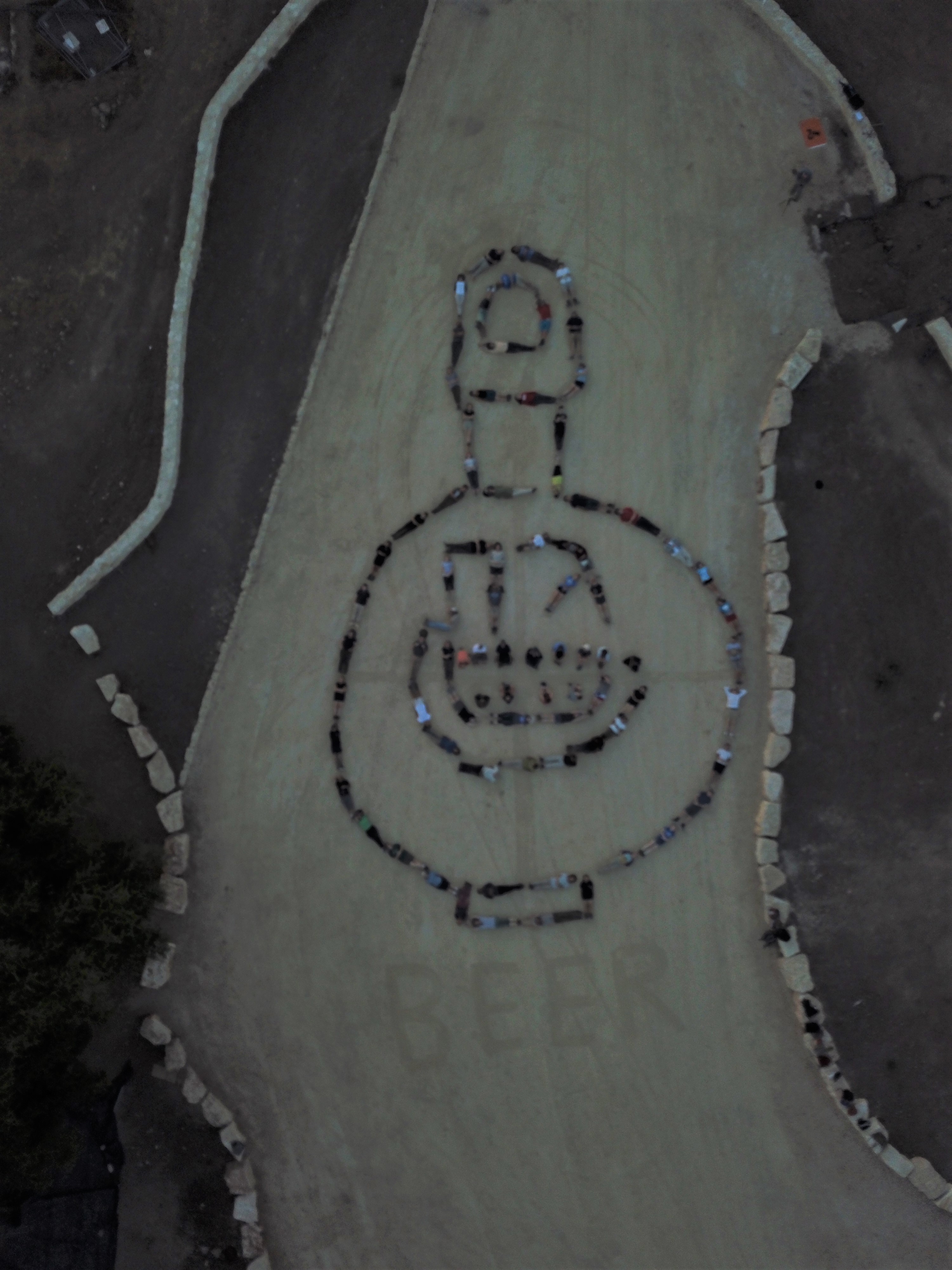


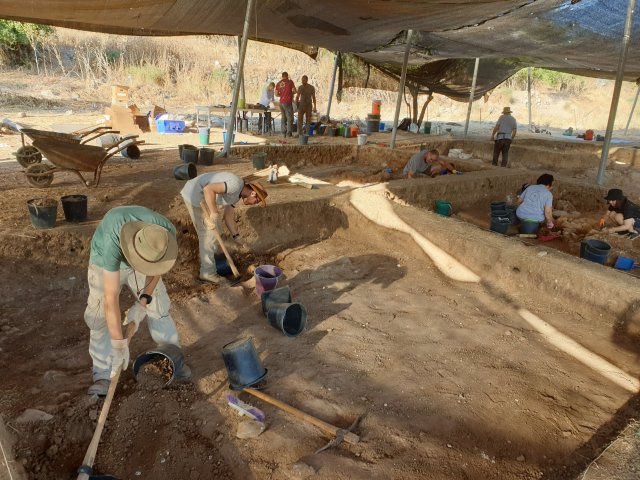

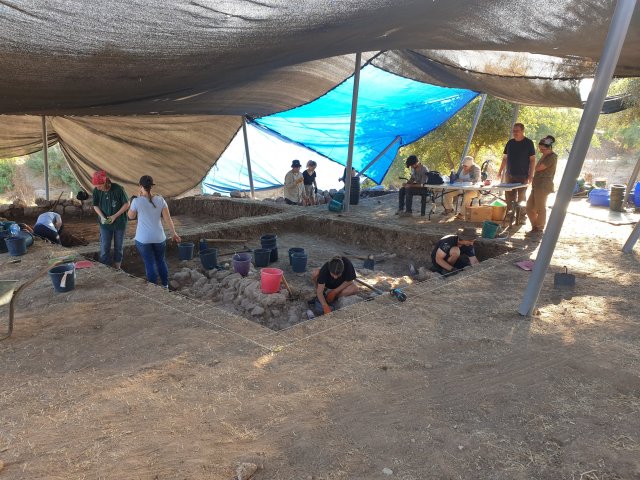

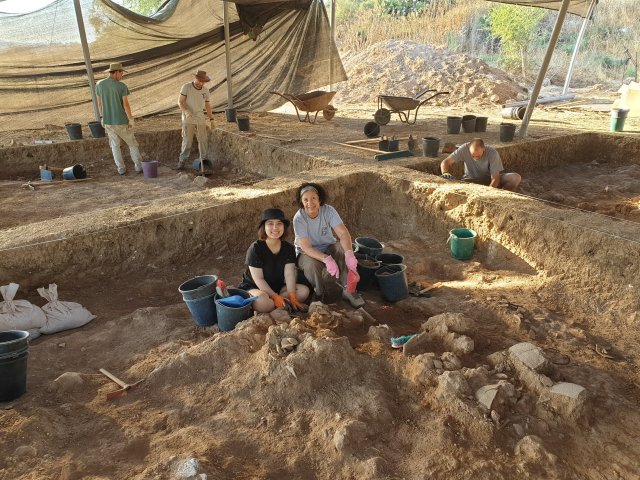


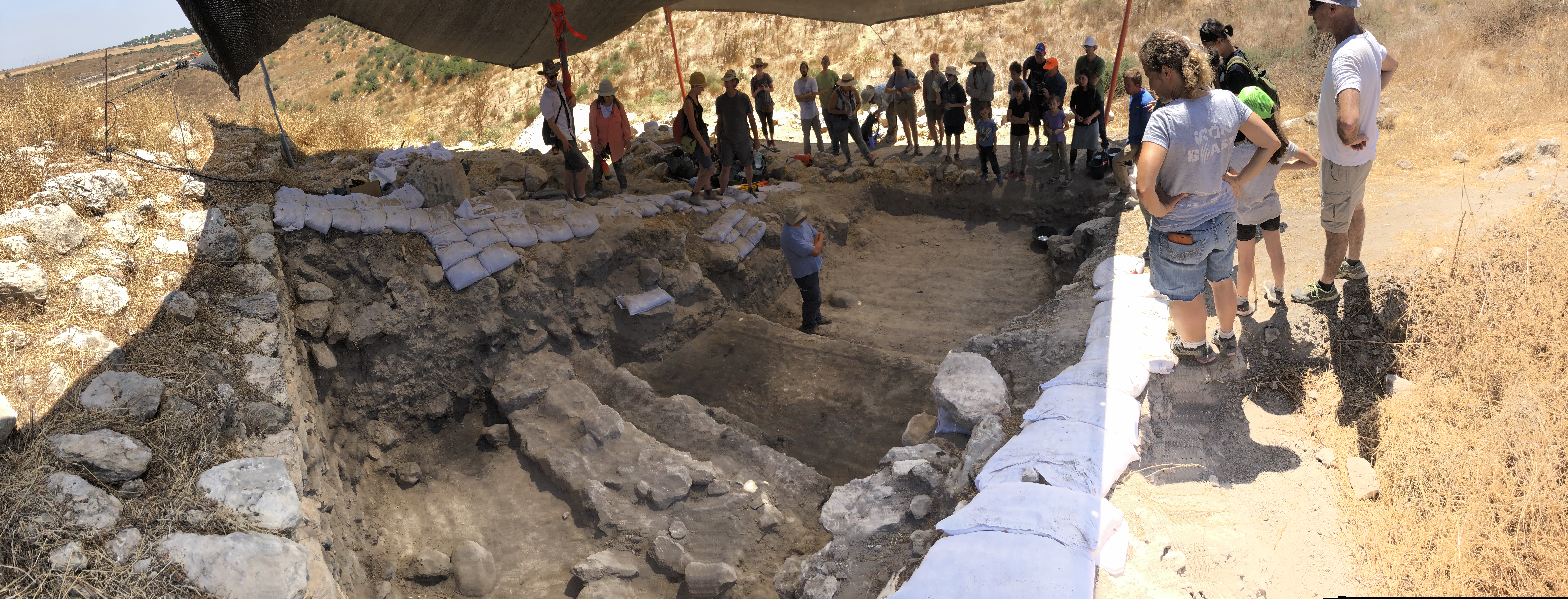
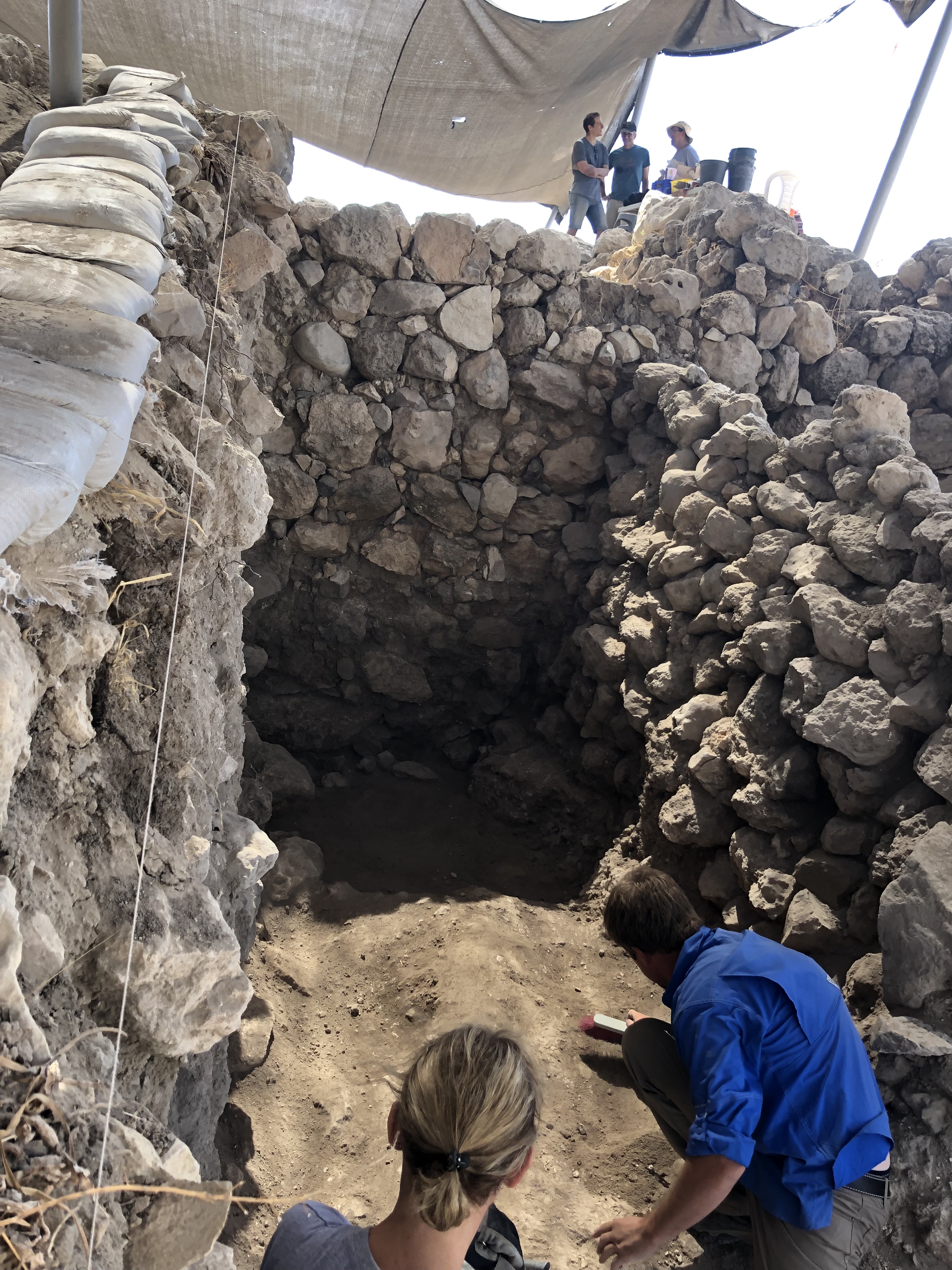


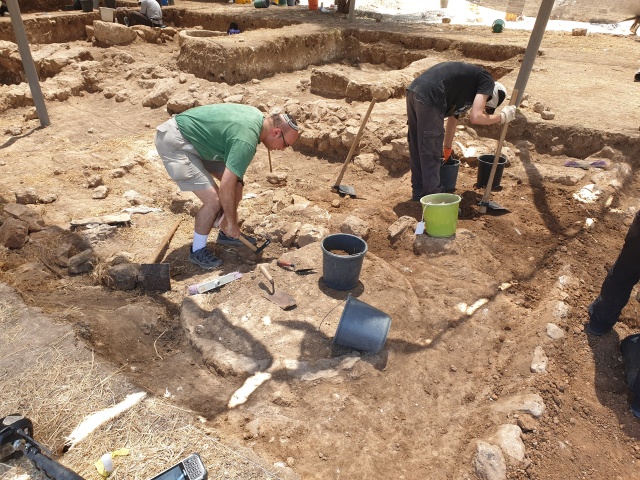
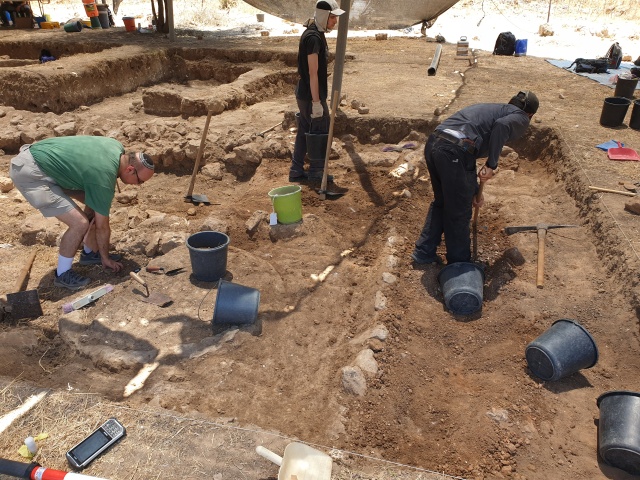
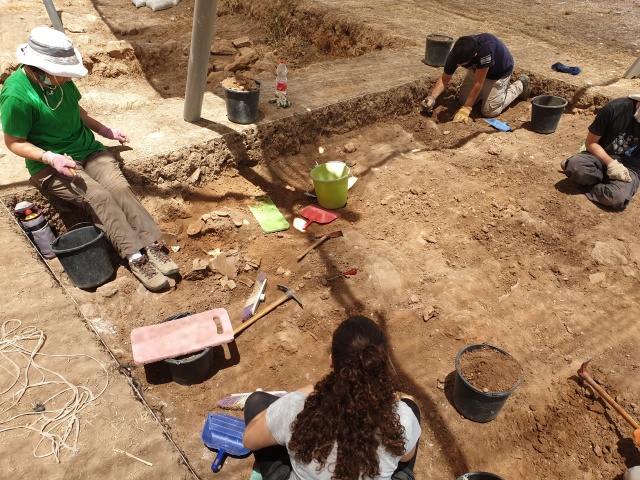

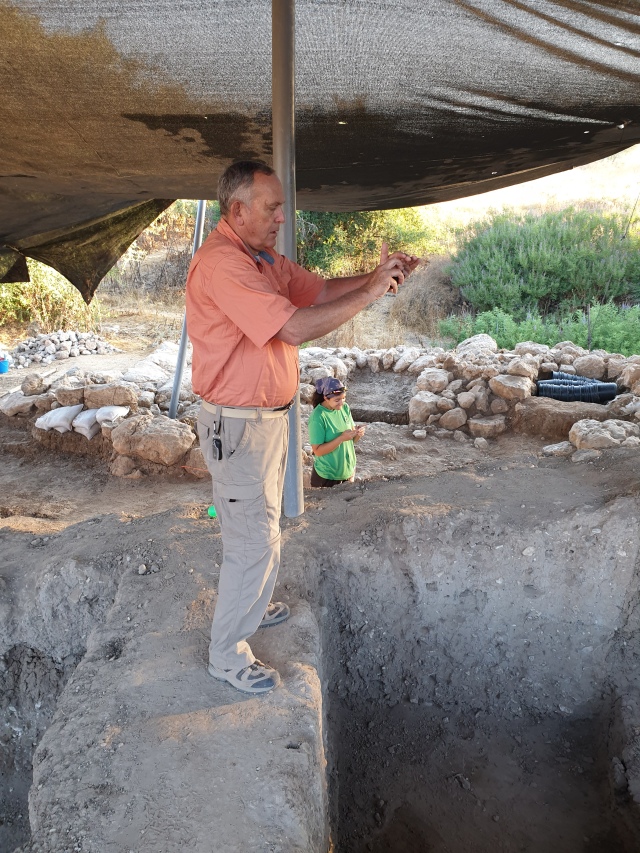


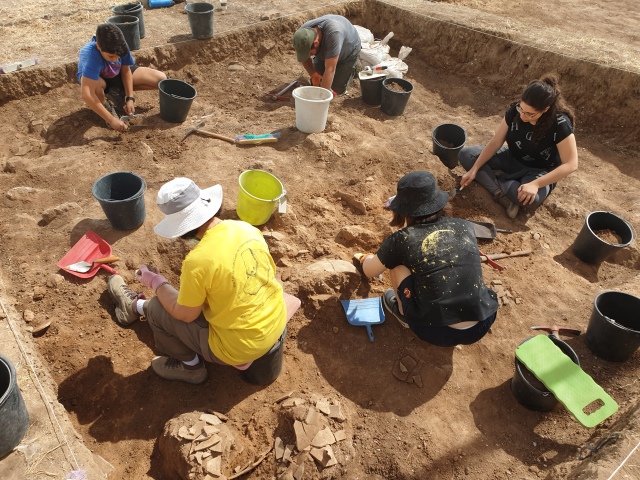
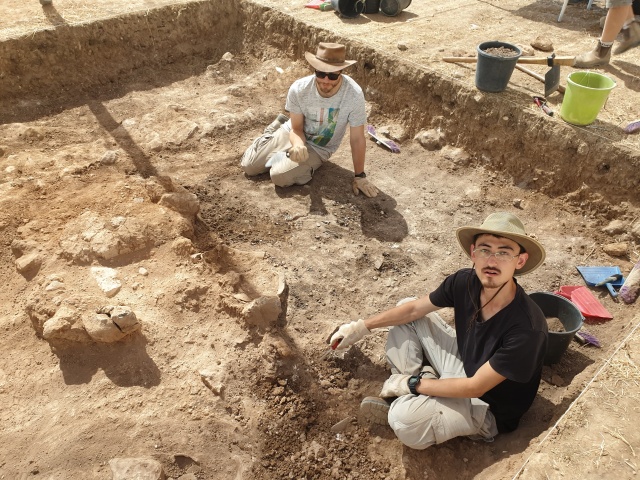

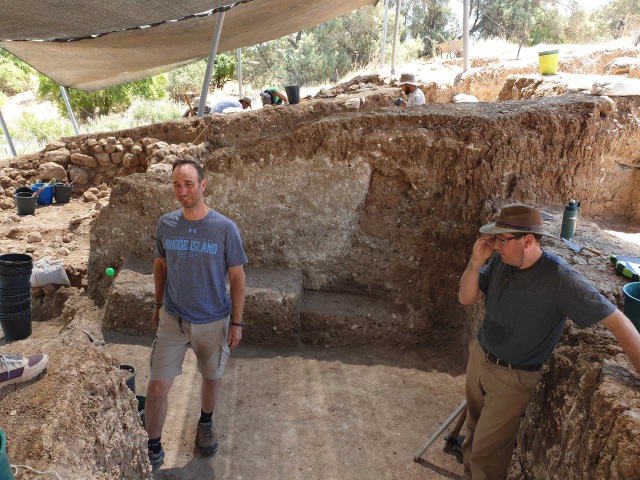
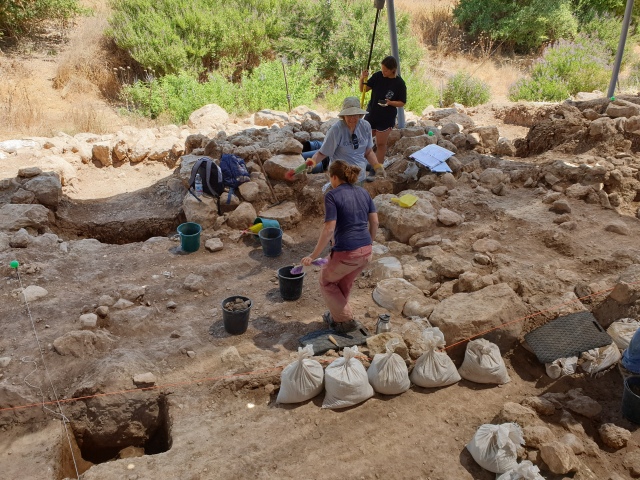
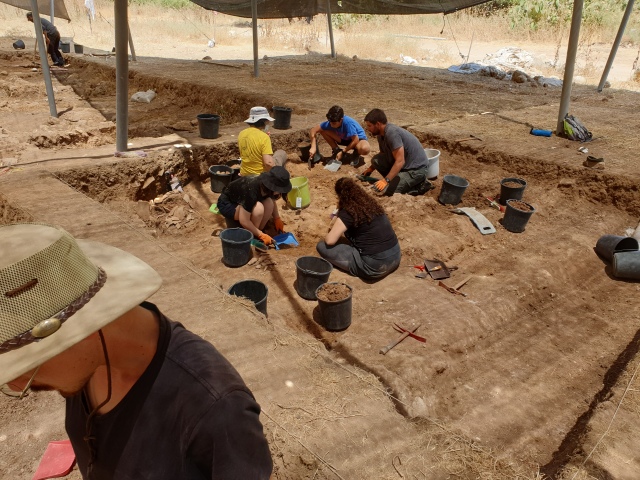


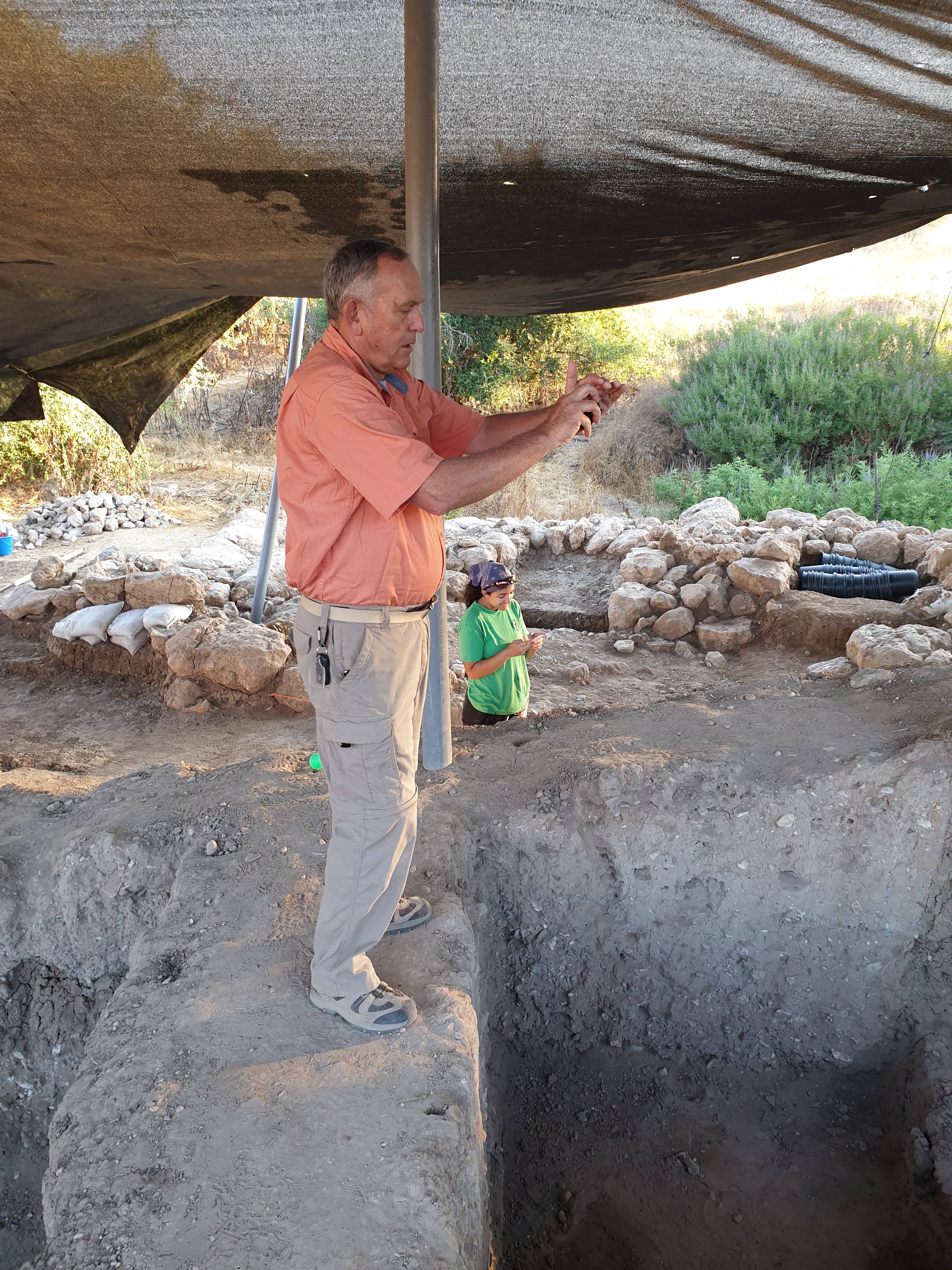
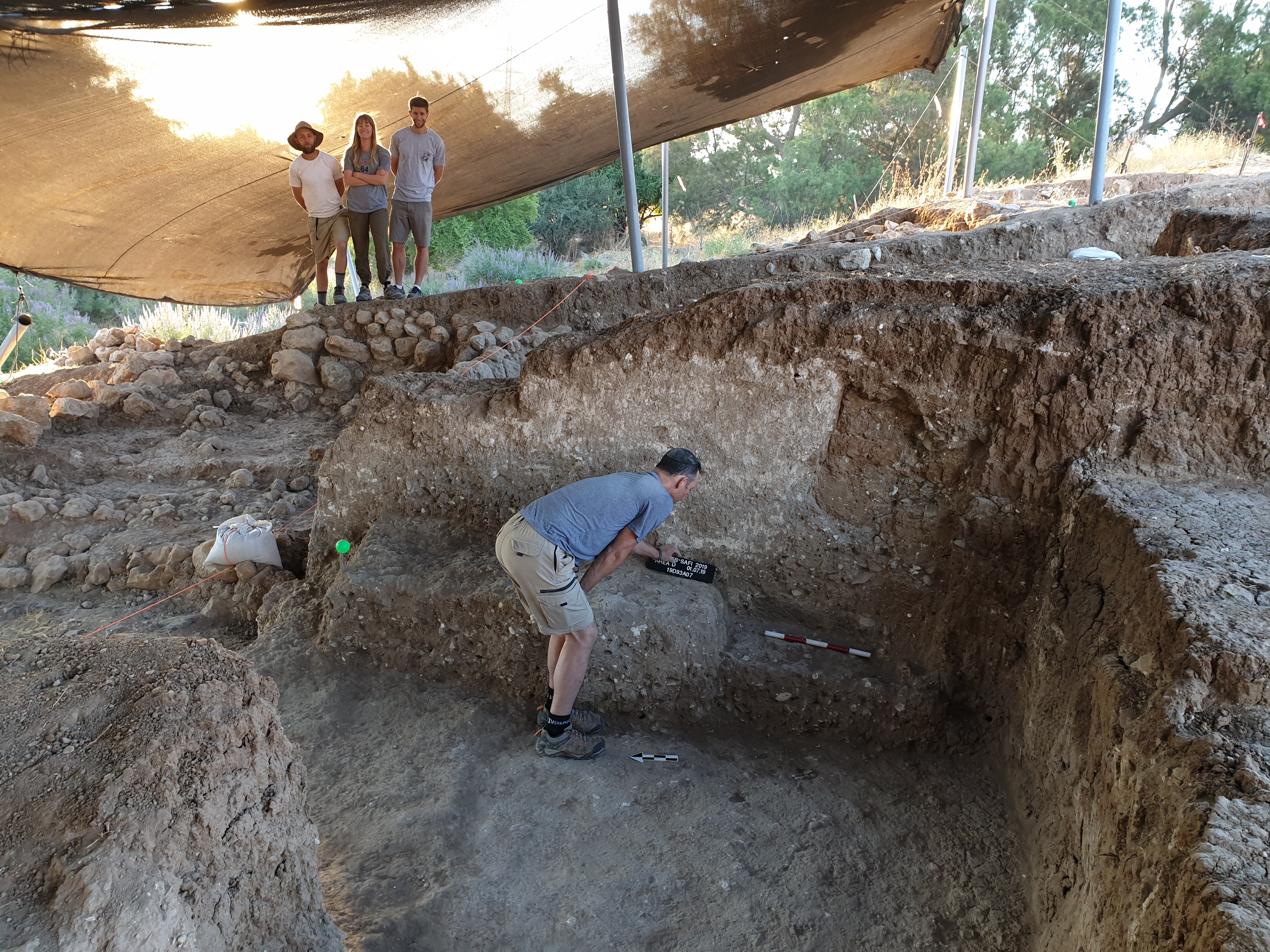
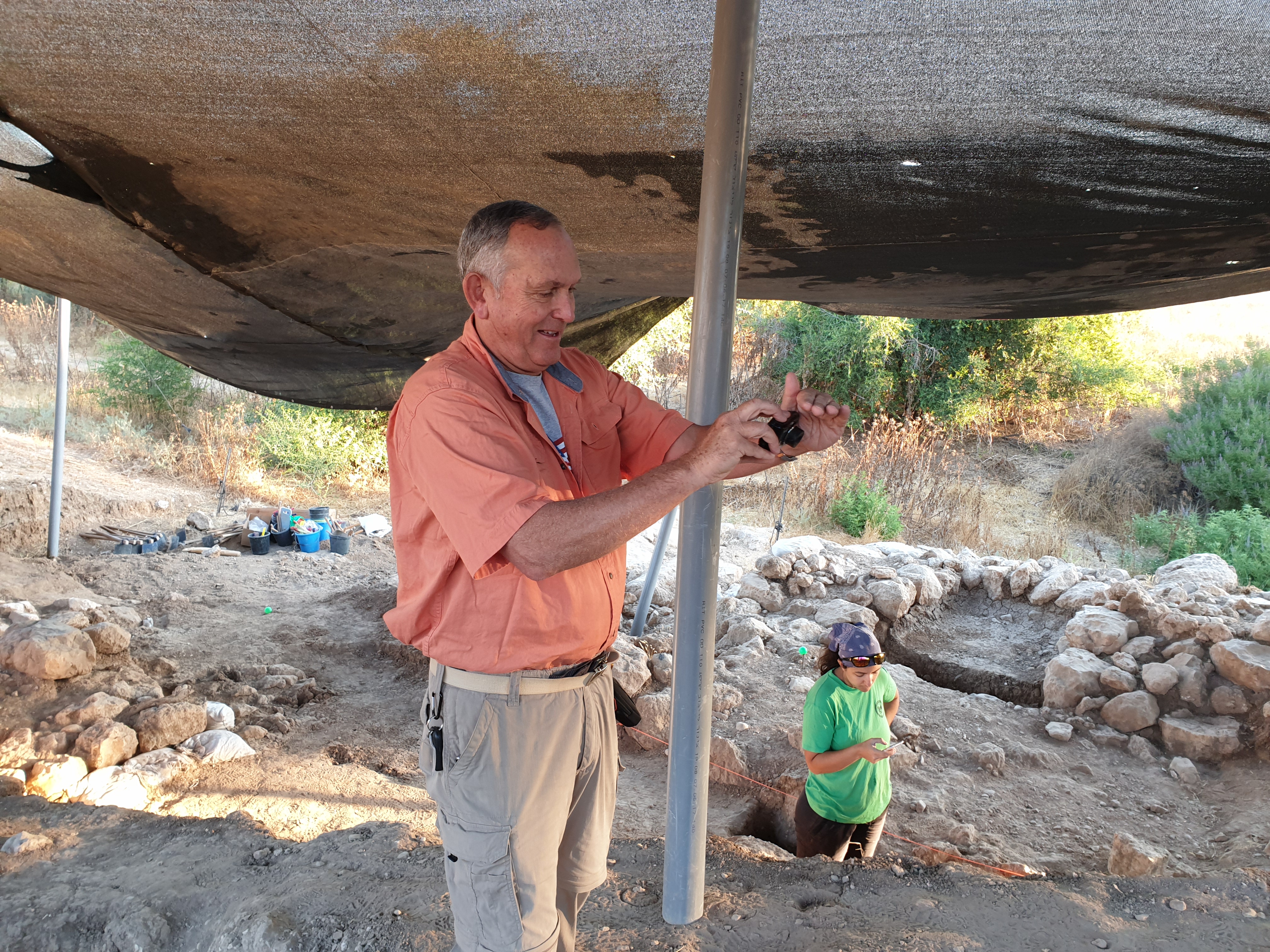


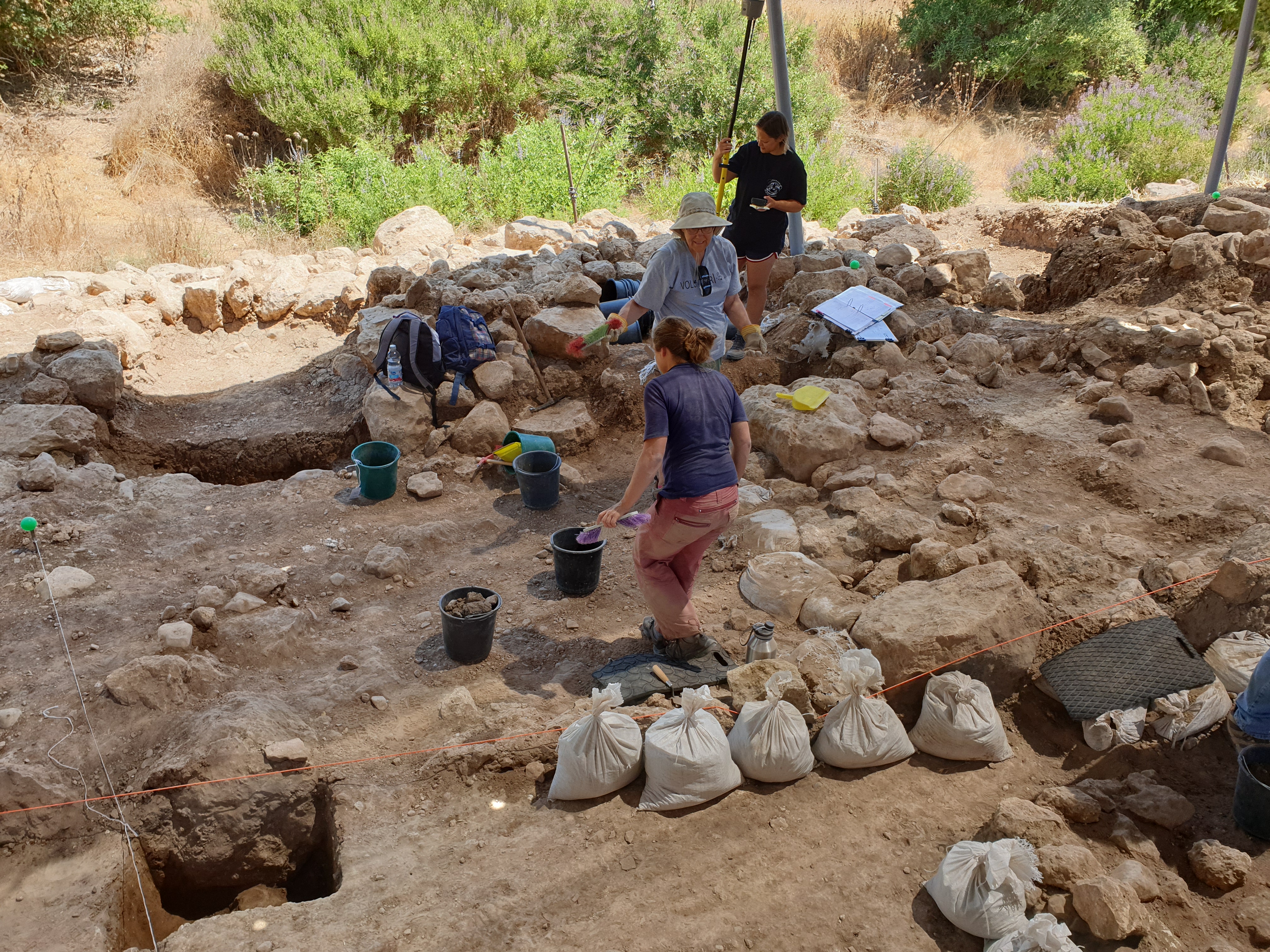


Area G – with the Iron II Gate and Drainage Channel(?)
Area B3 – Late Bronze building
Area B2 – Section with outer face of the fortification wall (Iron II) and the “crappy wall” (partition between glacis?)
Area A2 – multiple Iron II layers below the Iron IIB building
Area A1 – Outer fortification wall with Late Iron IIA destruction


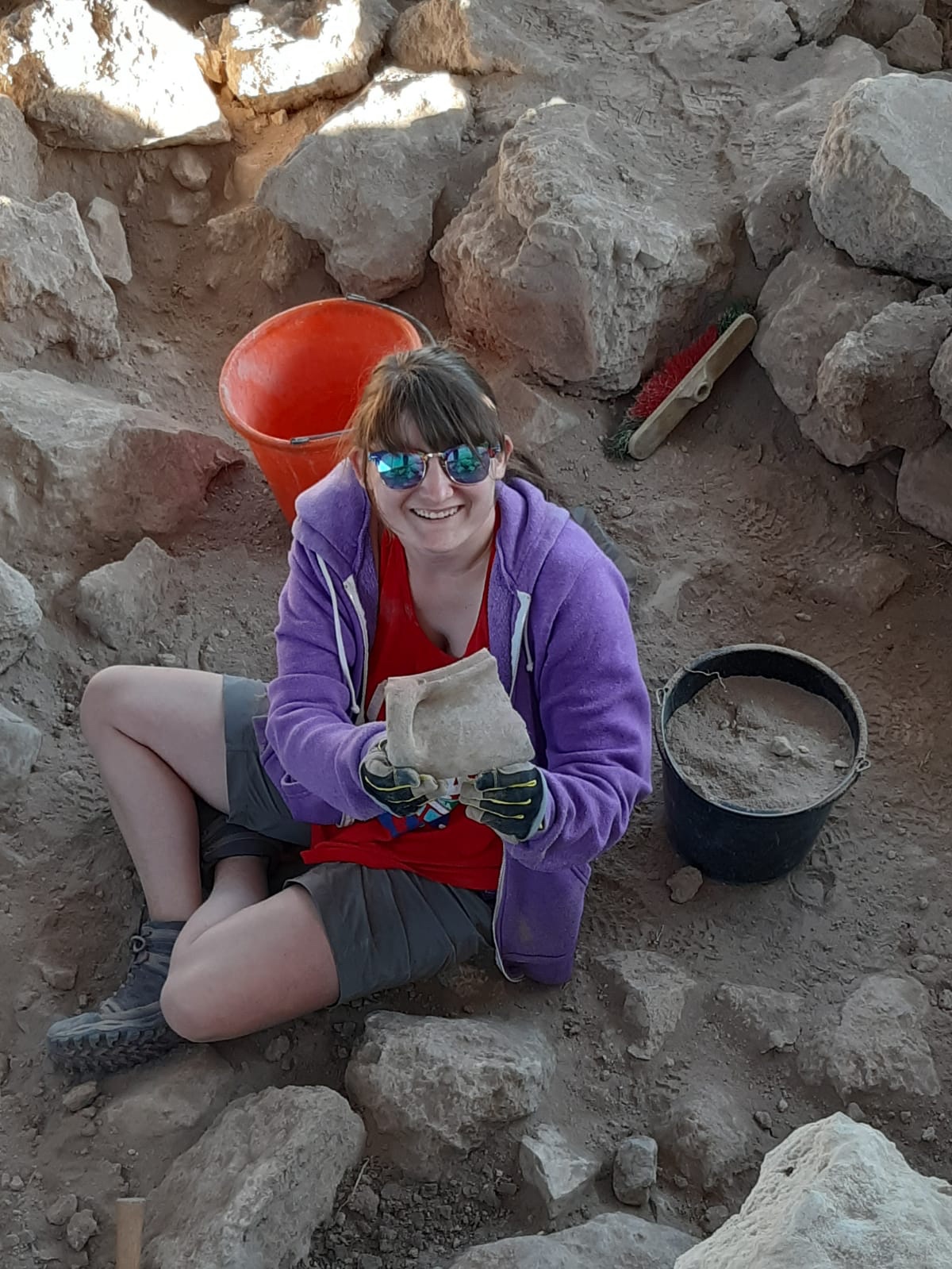



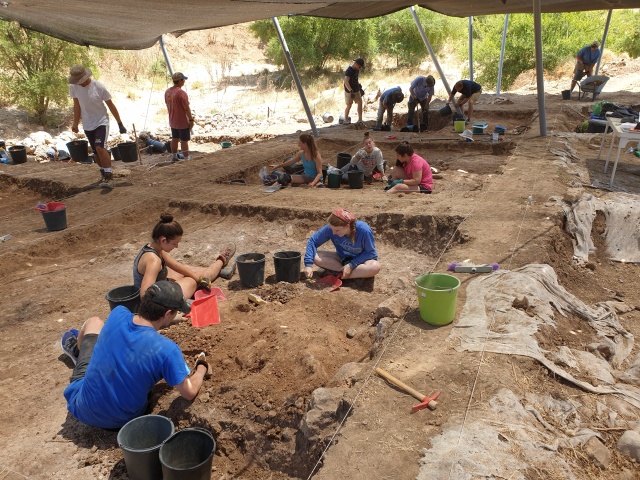
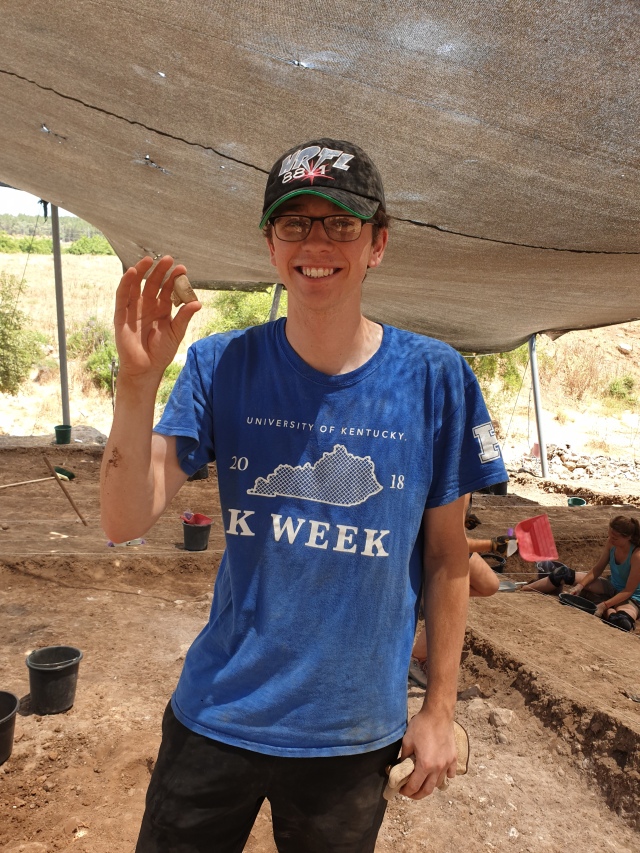
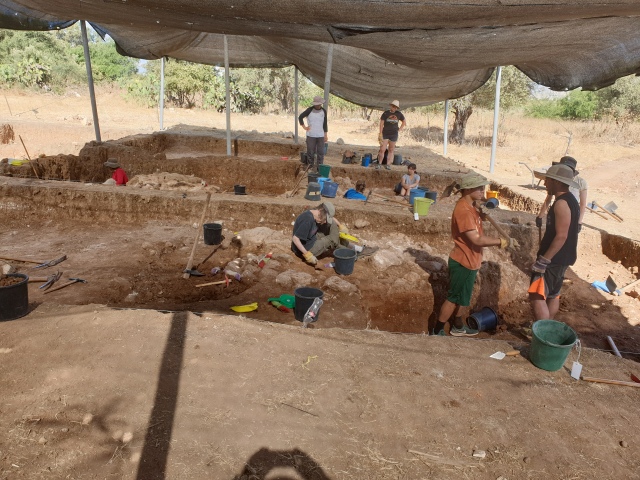


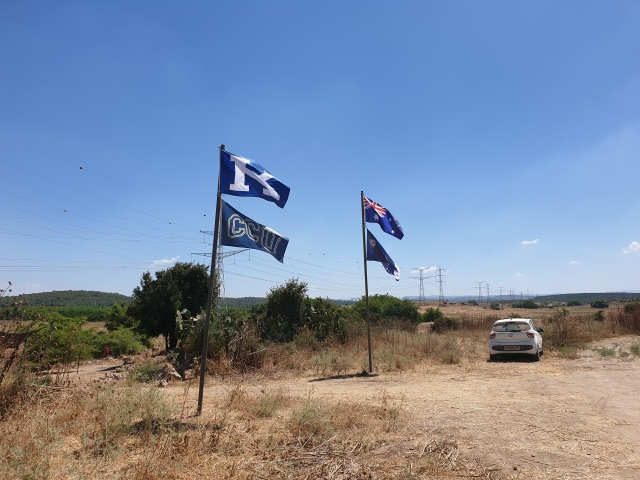
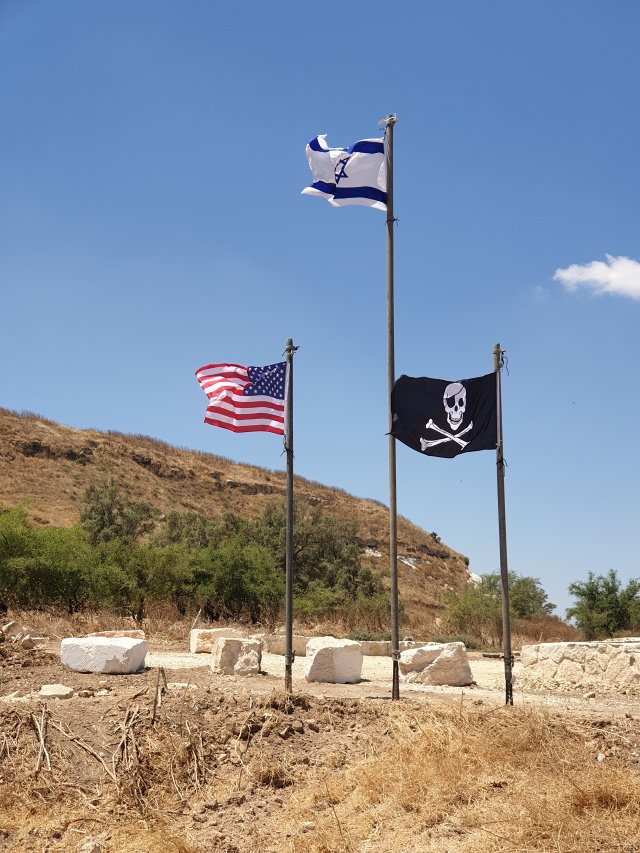

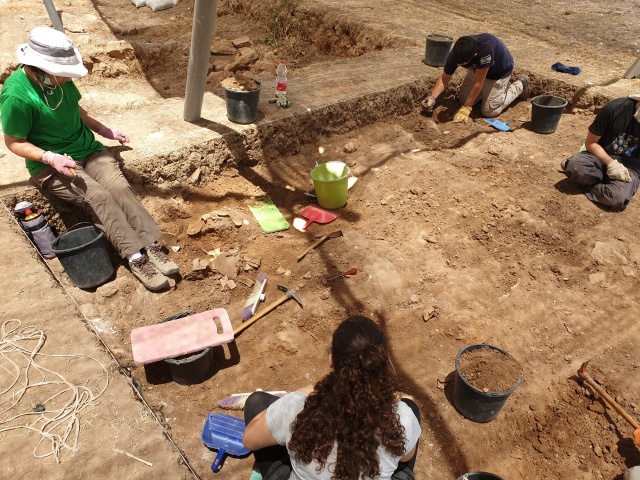
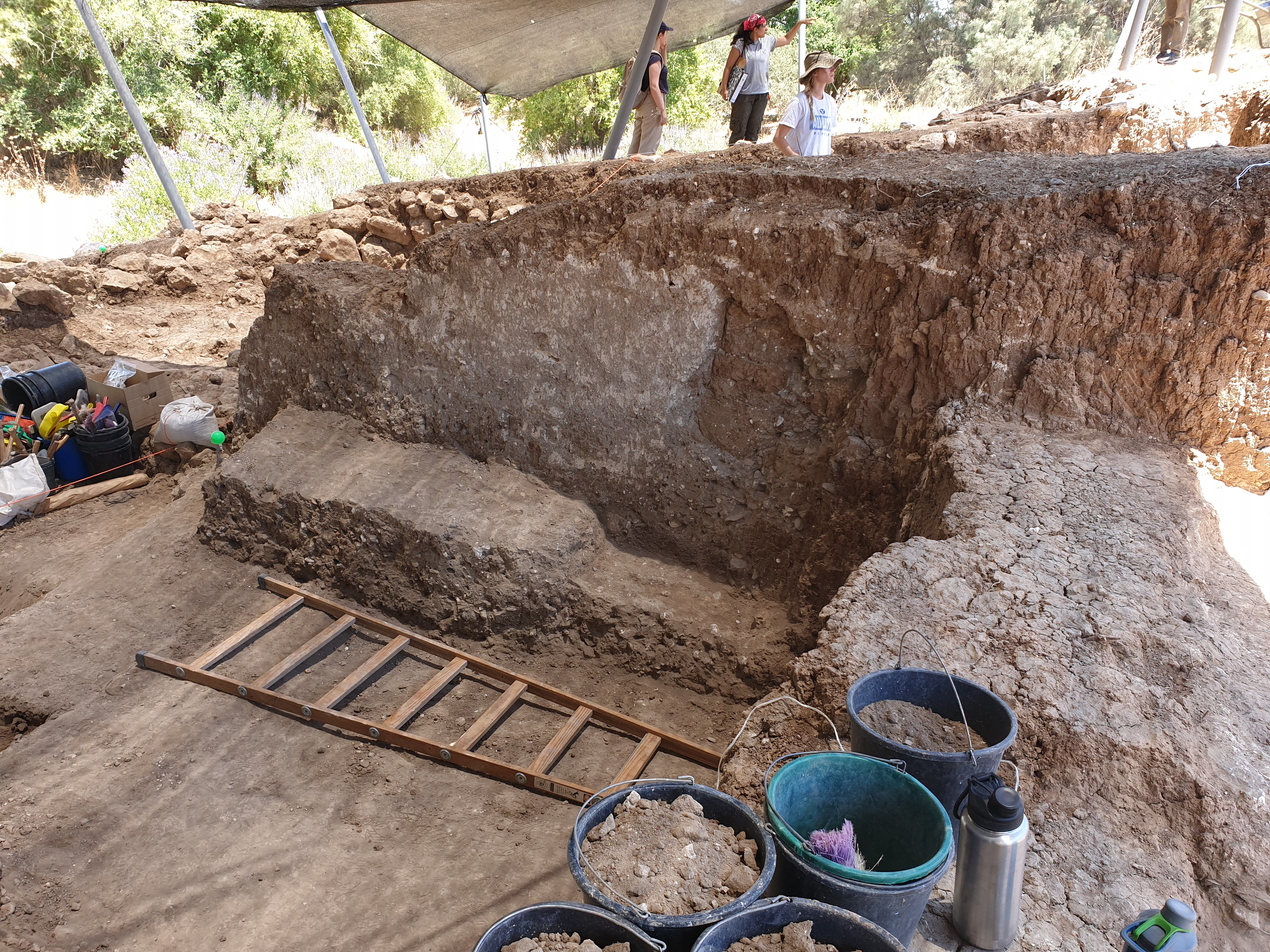
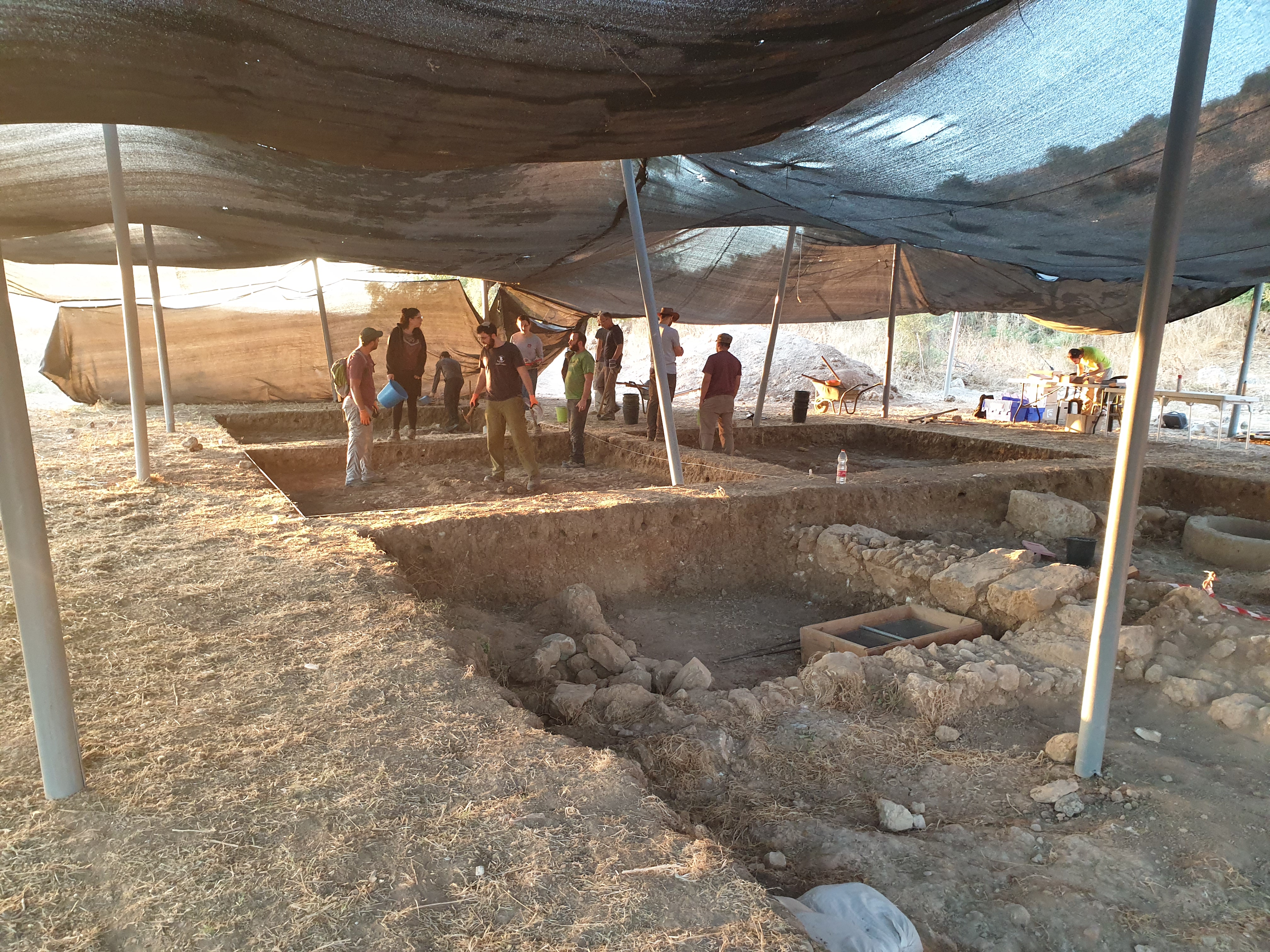

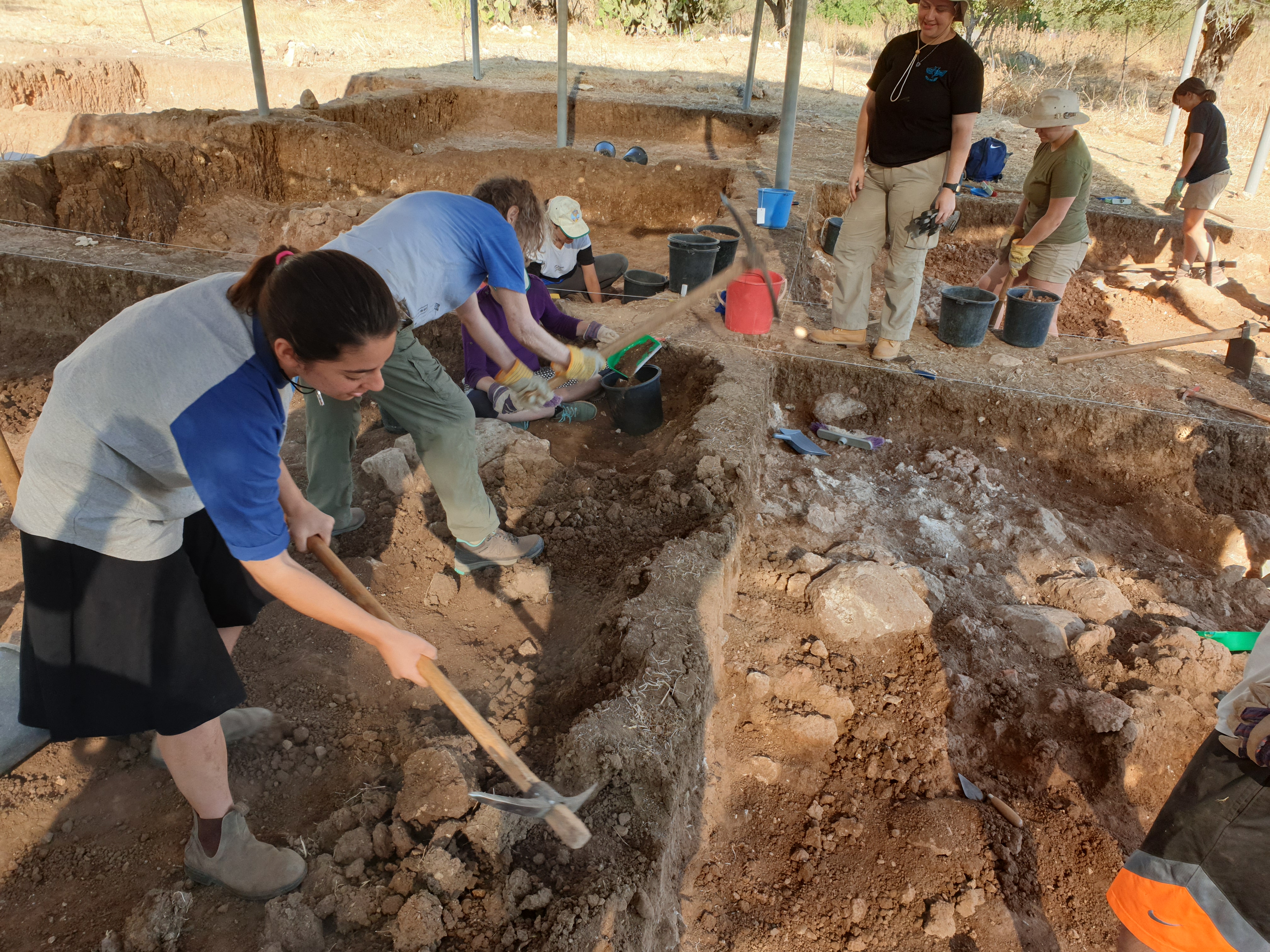
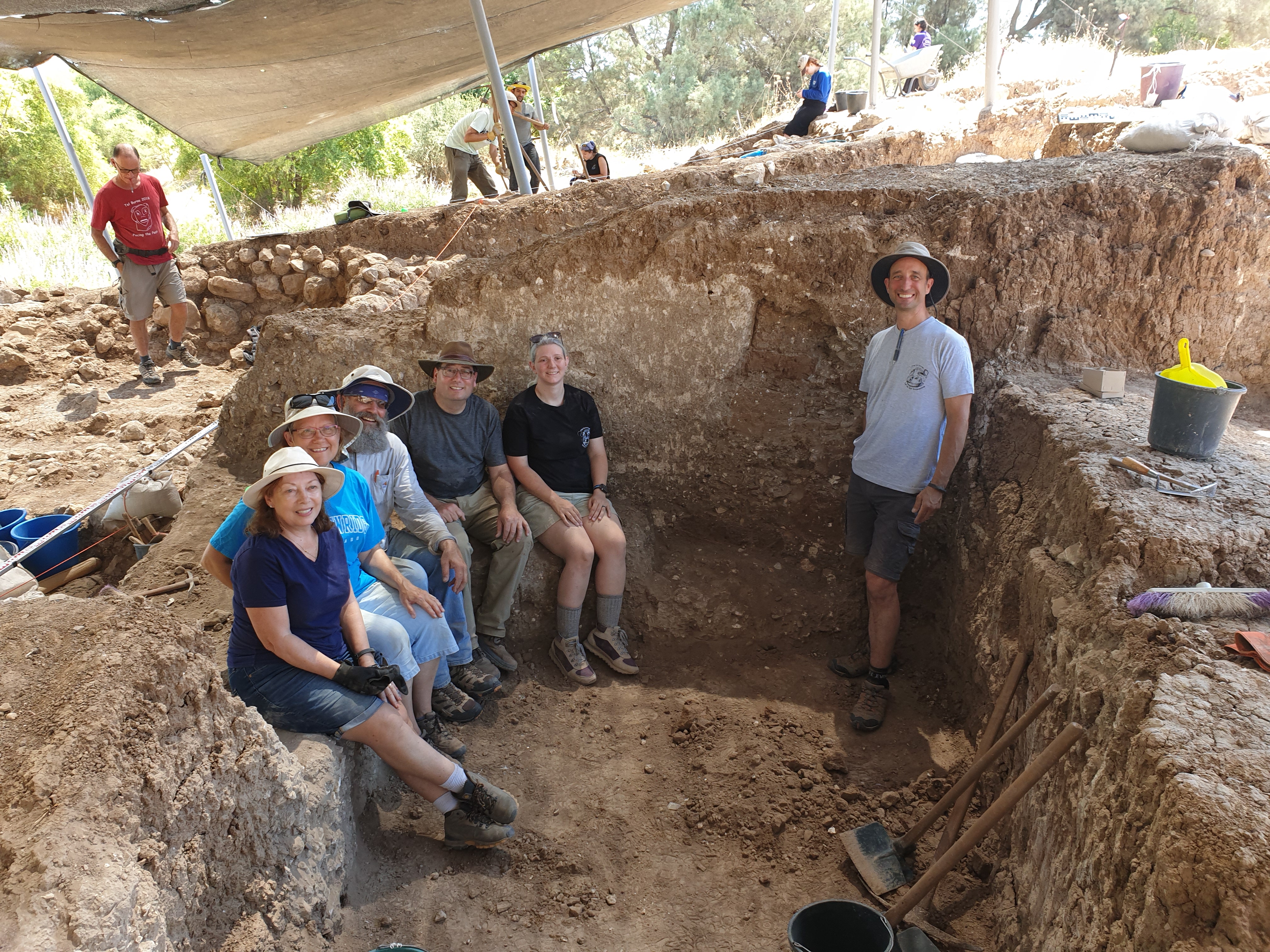


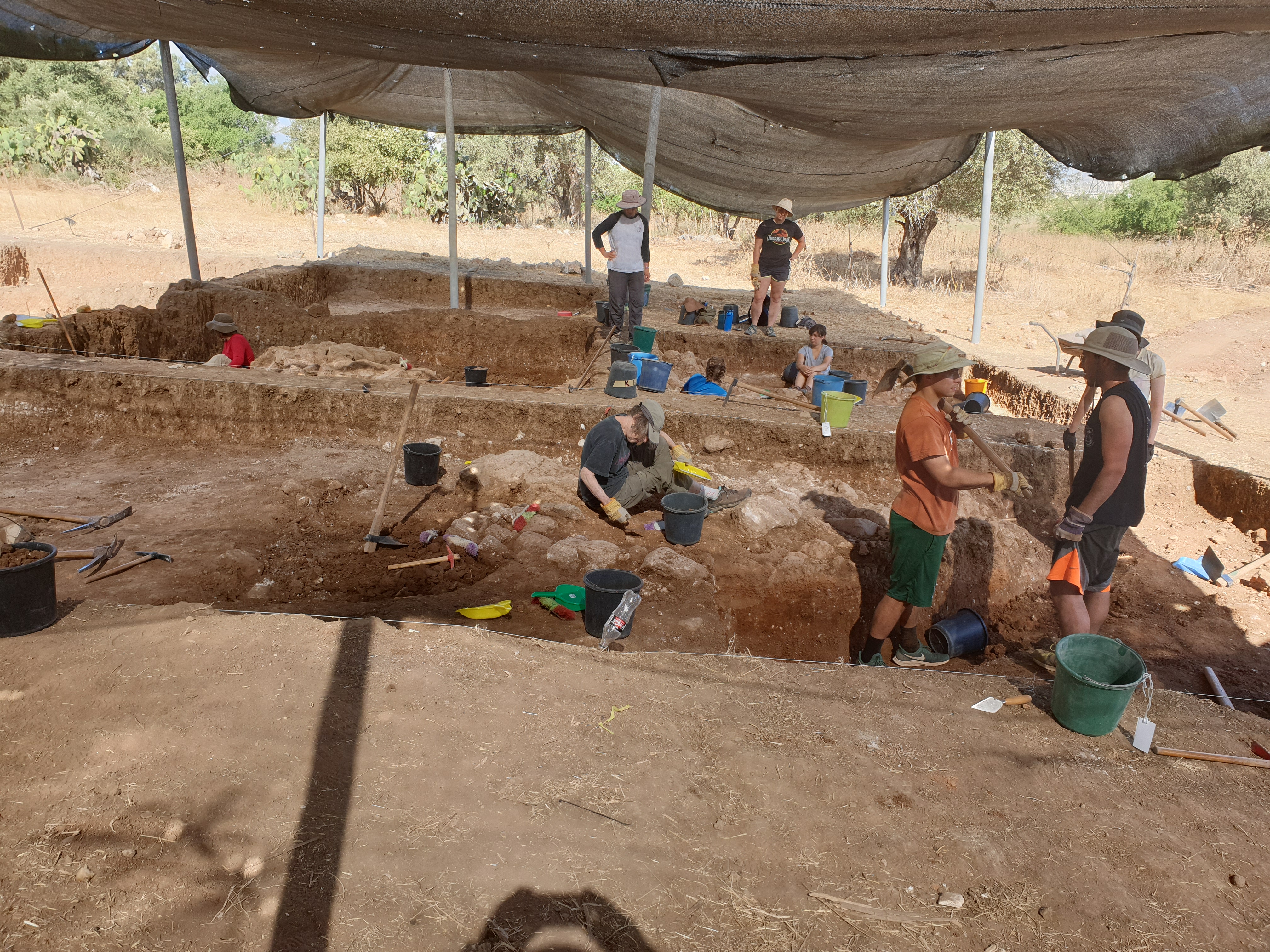


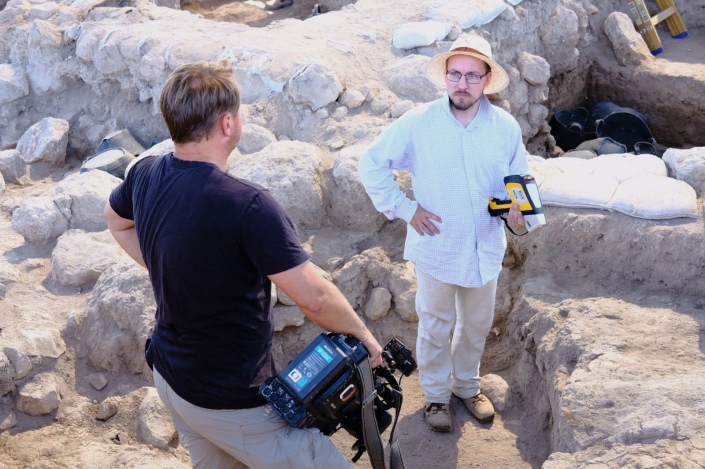


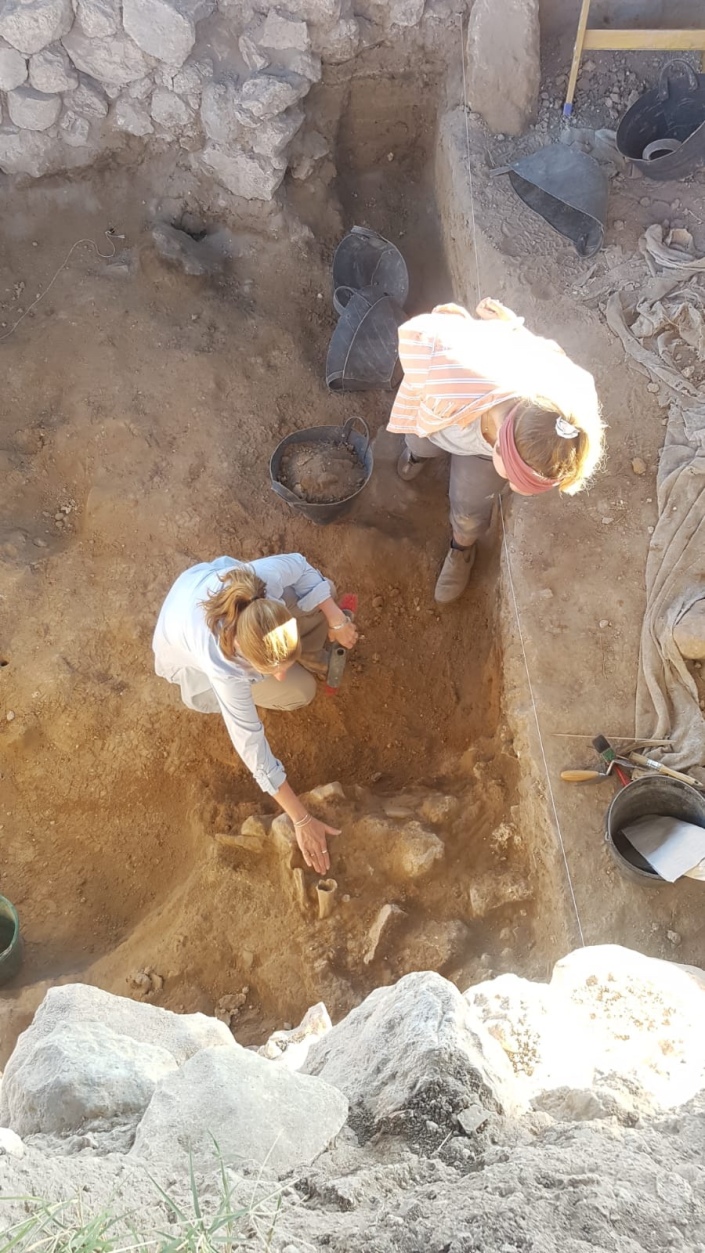




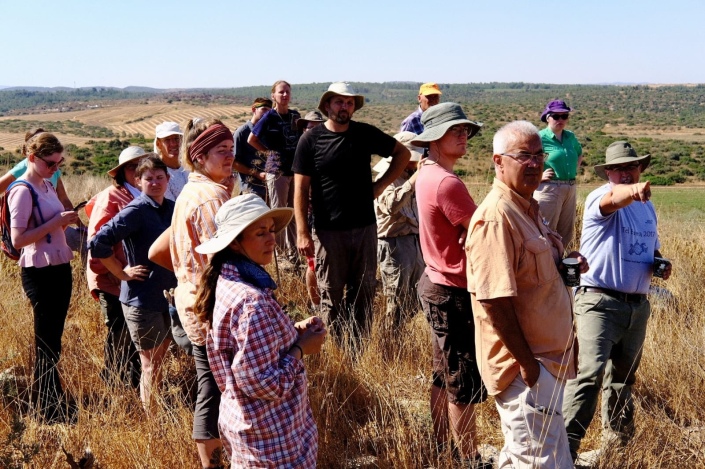

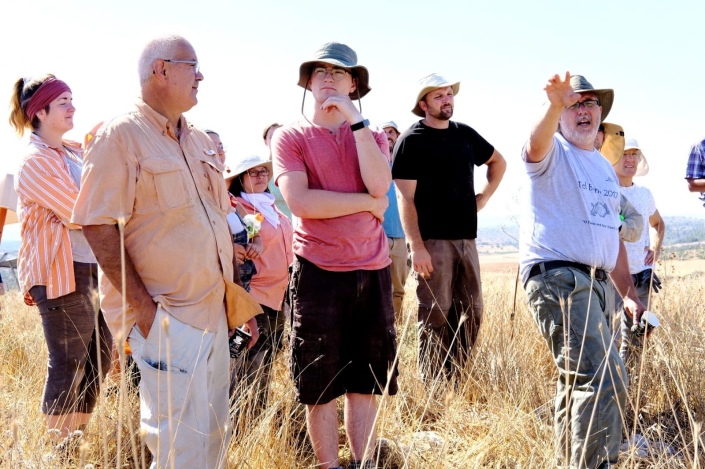


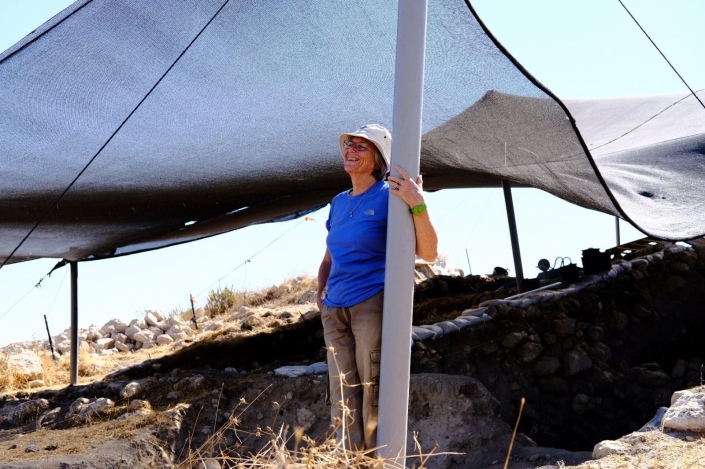

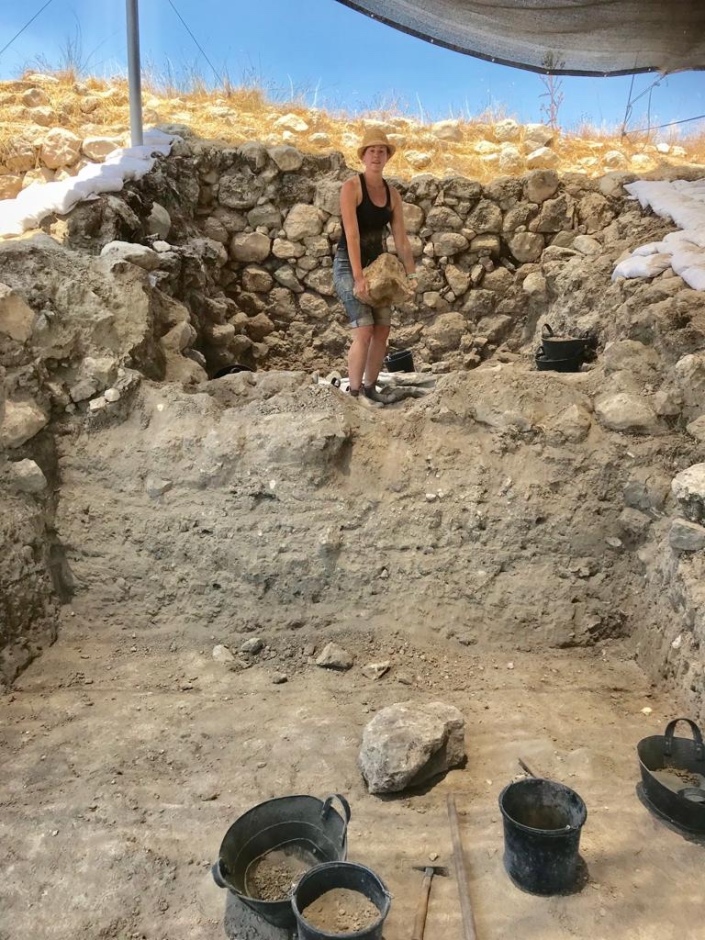


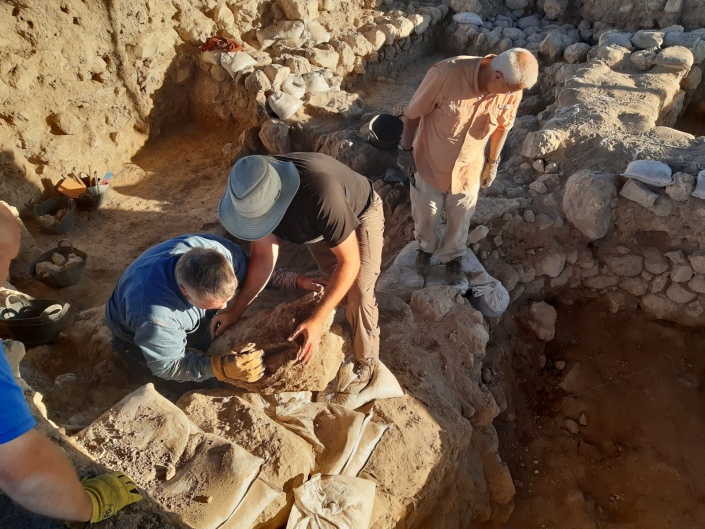




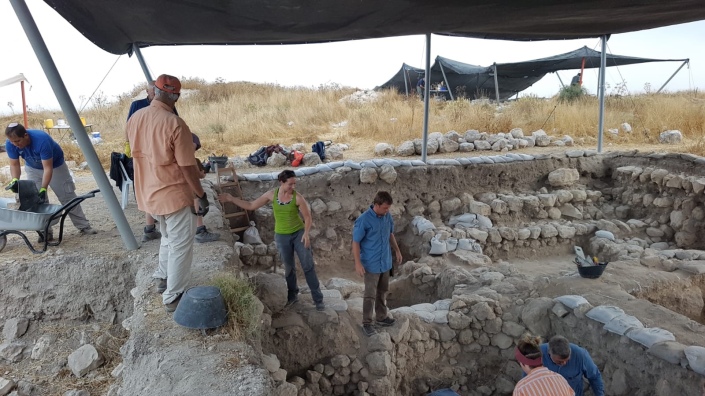


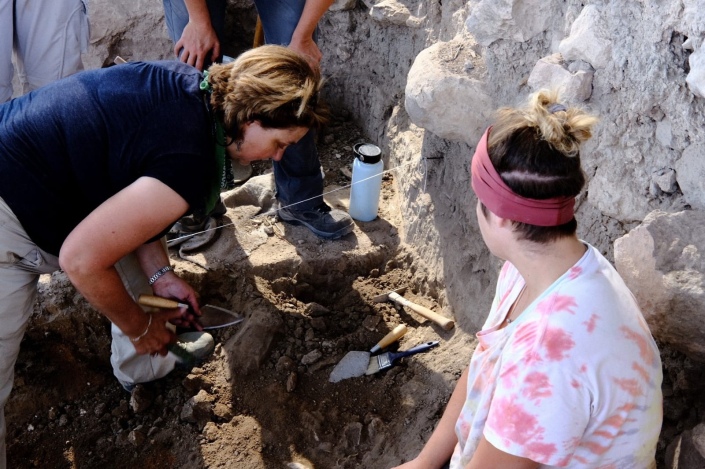

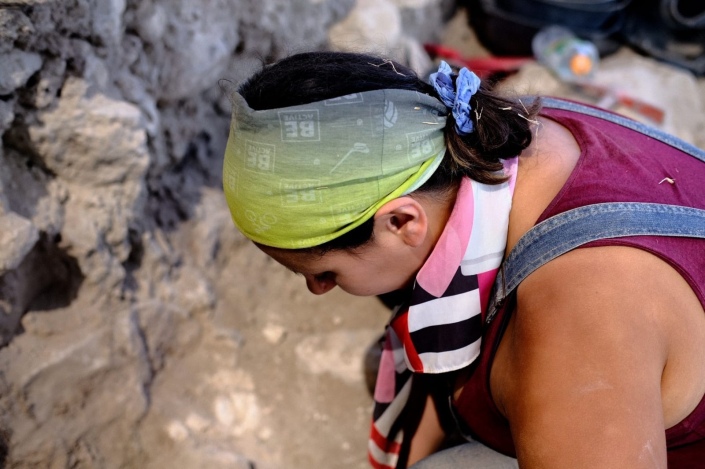

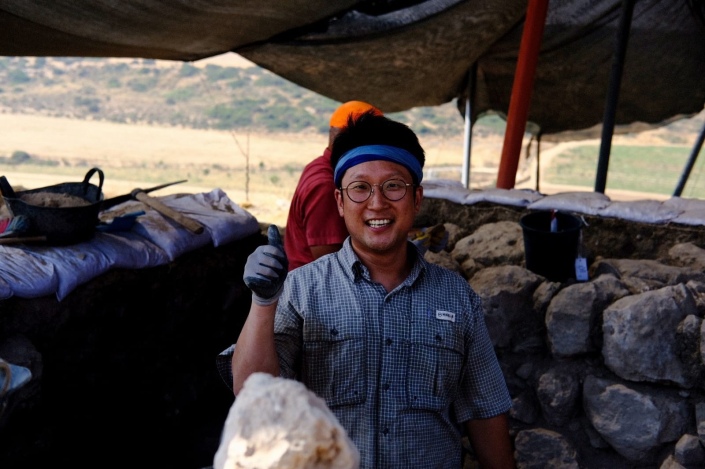
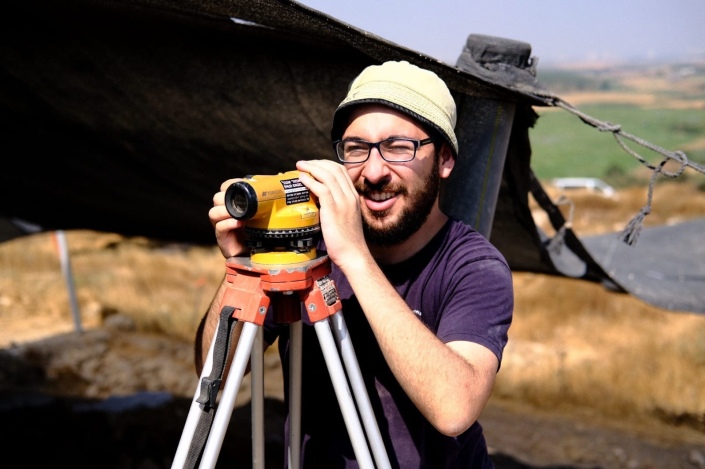

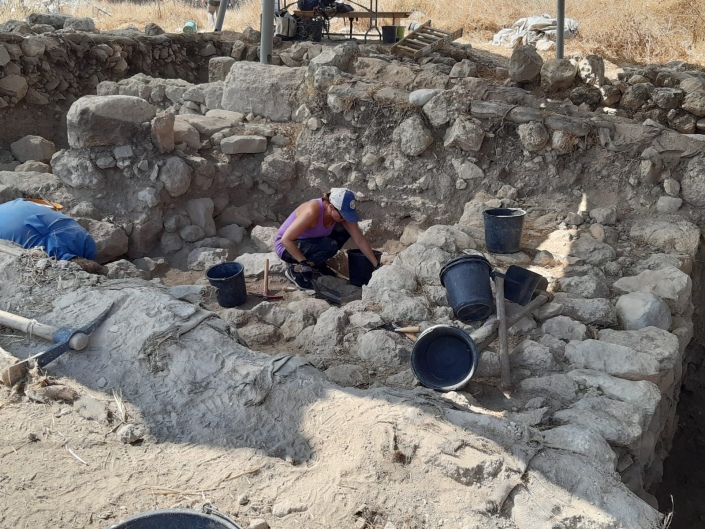

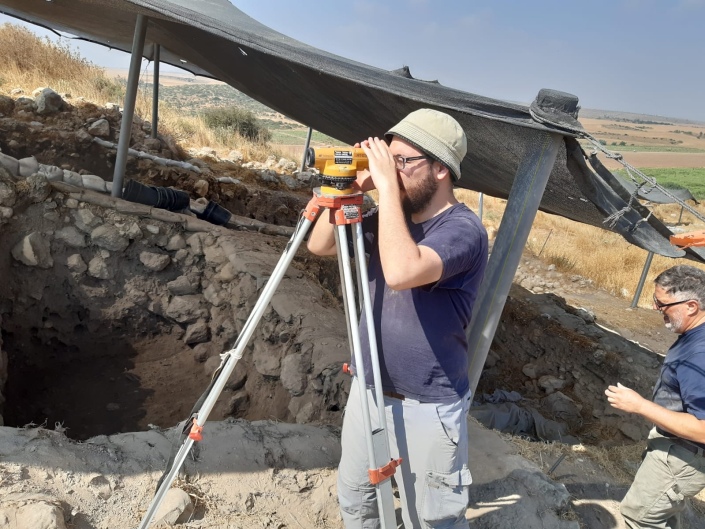
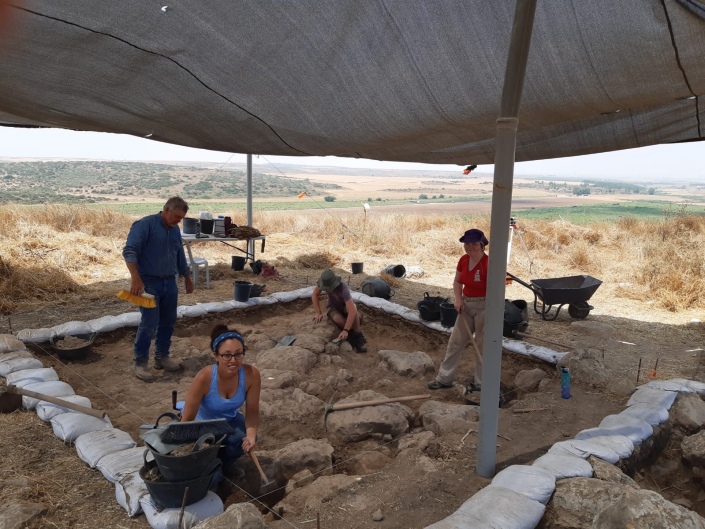

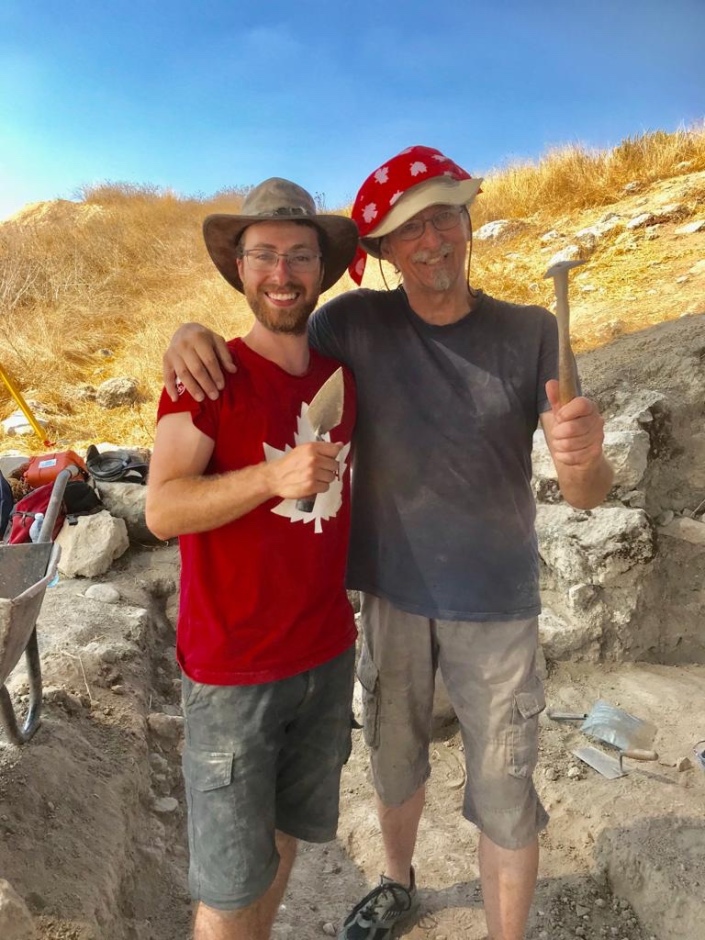



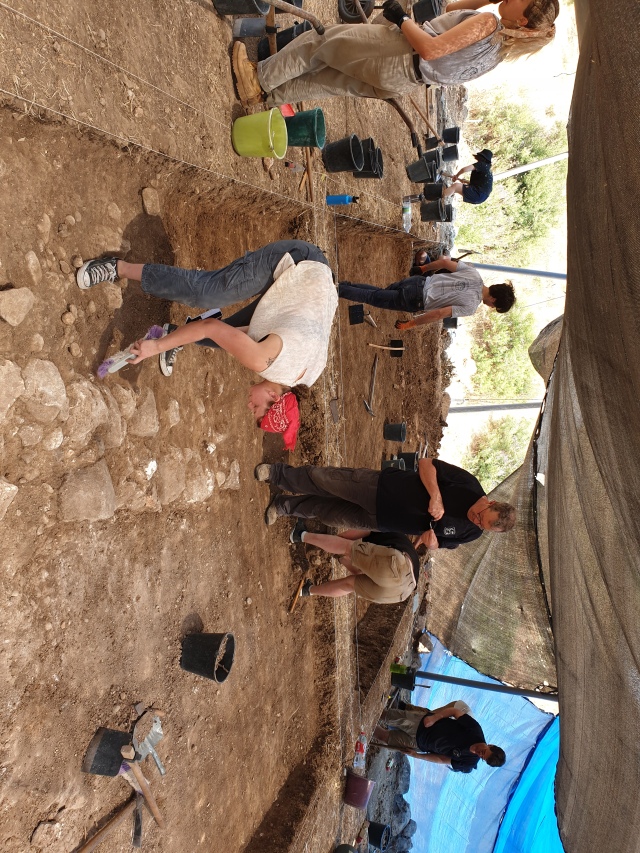

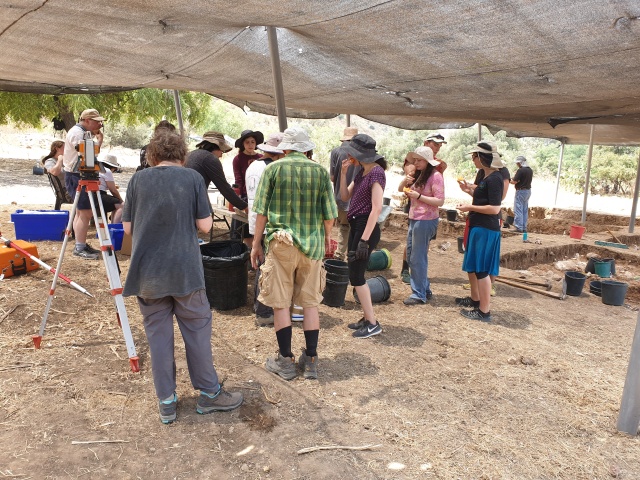
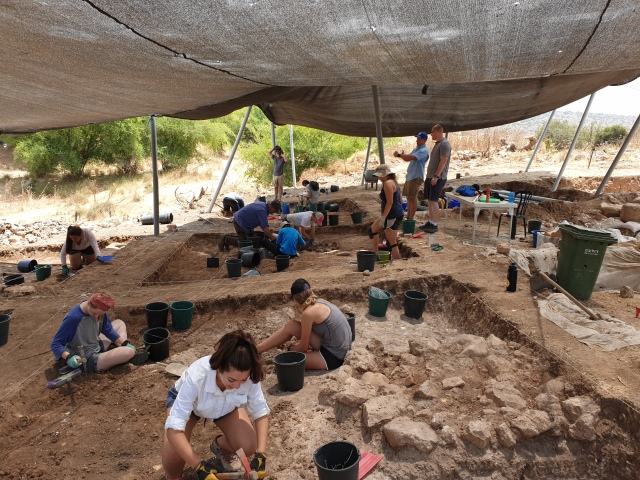


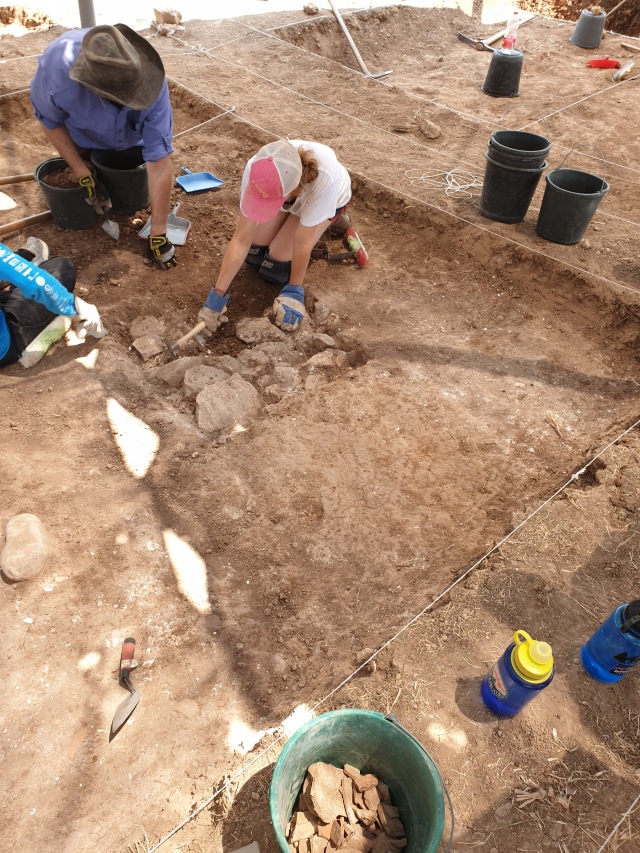


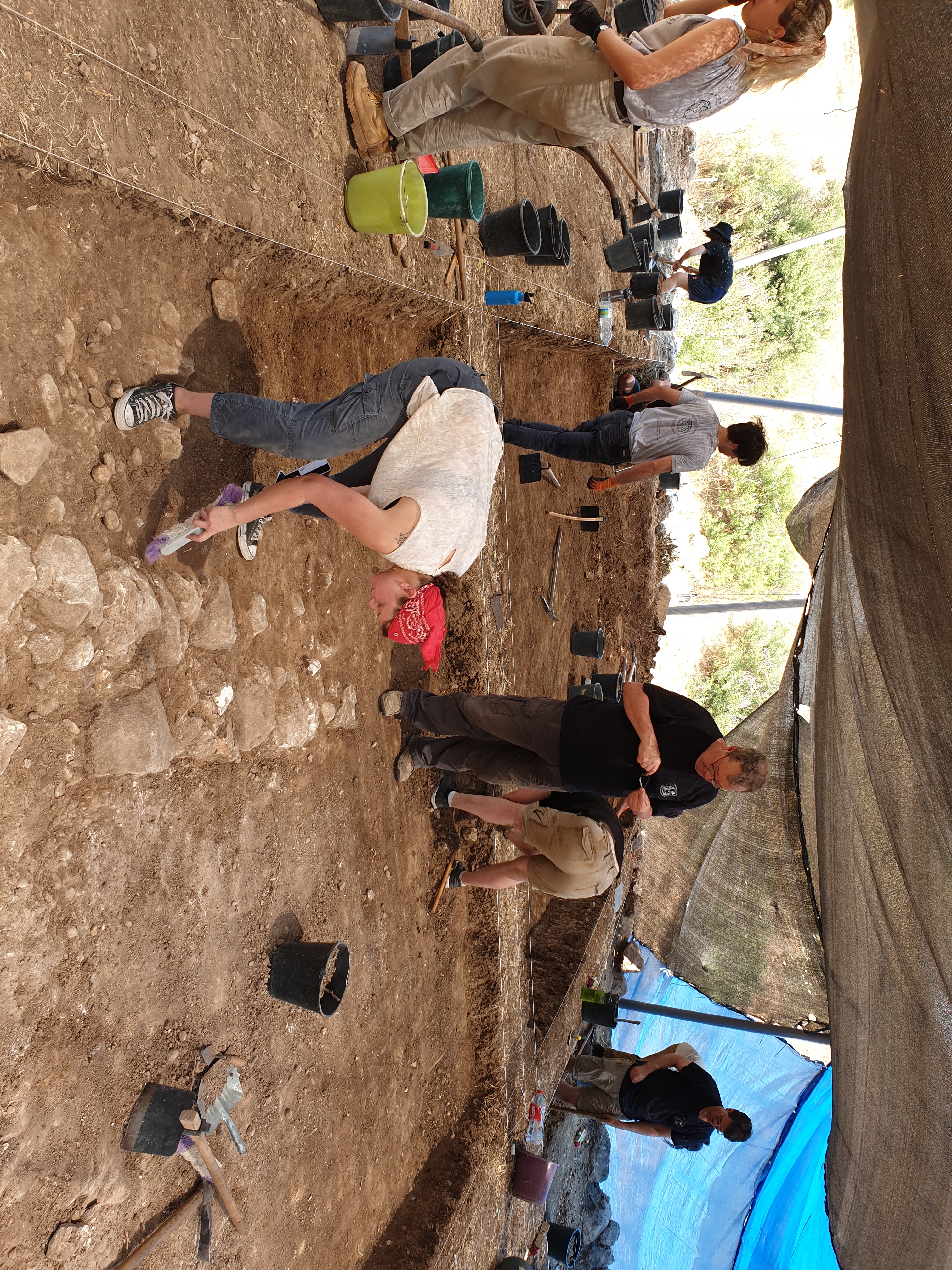


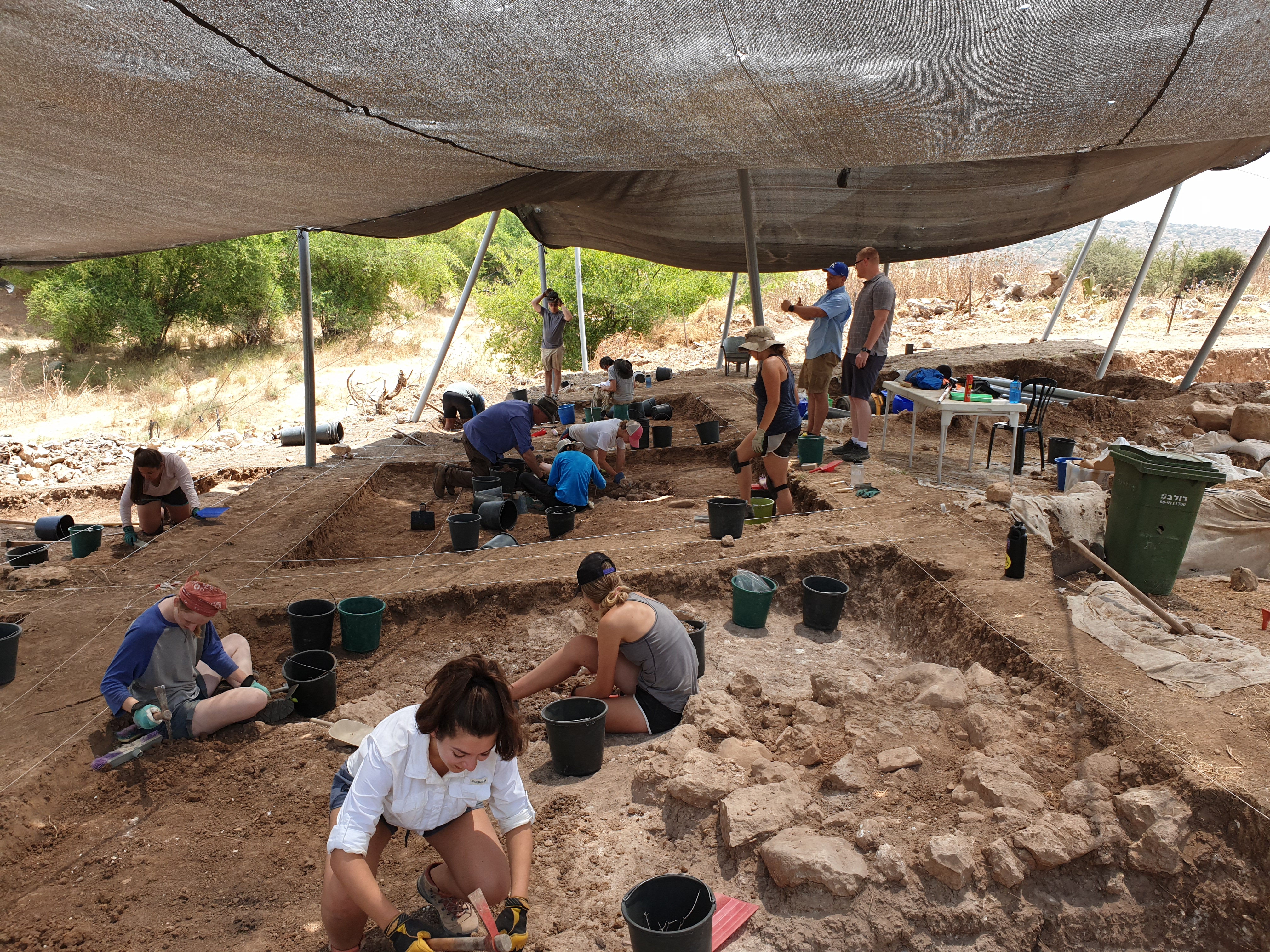

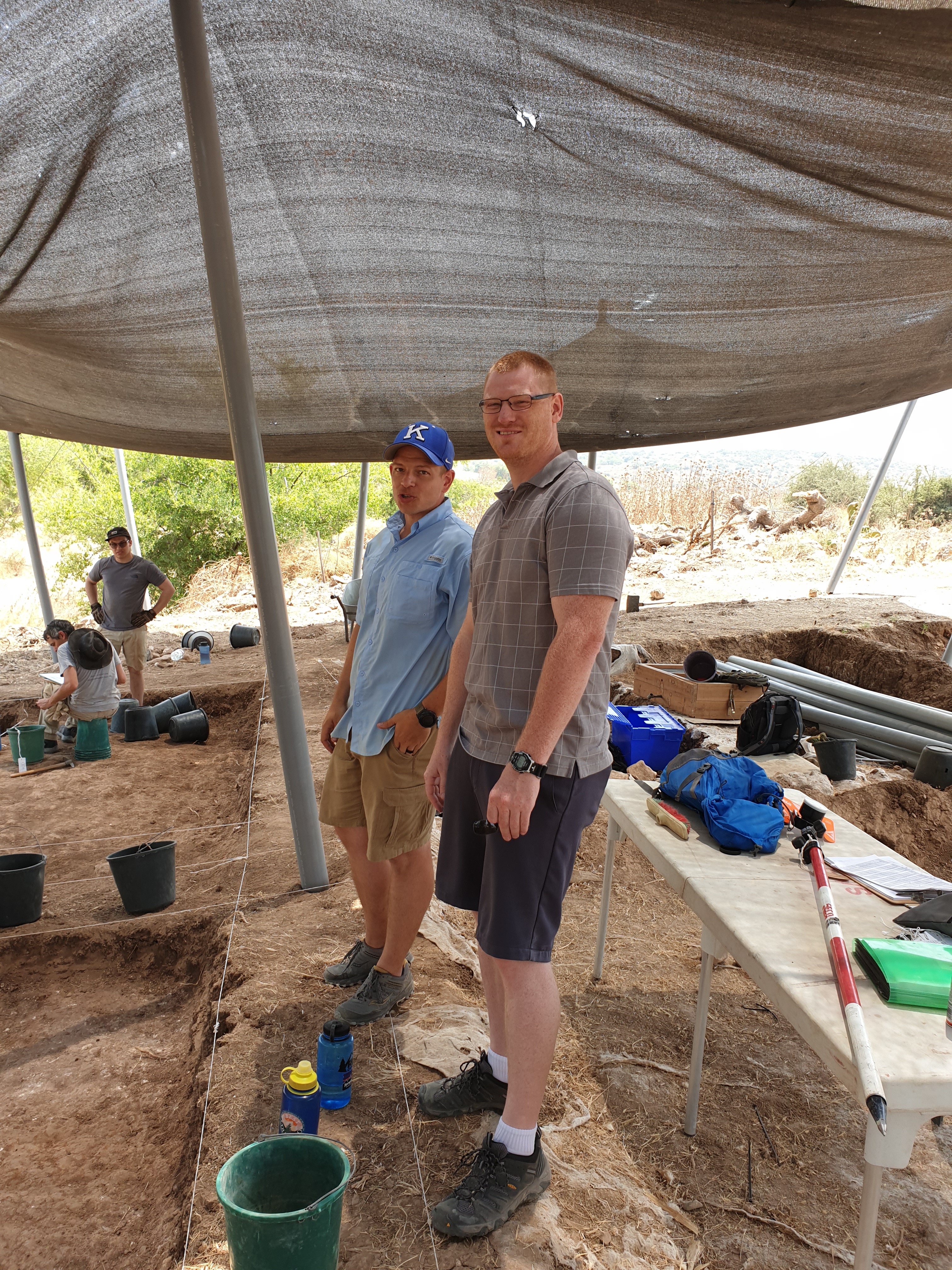


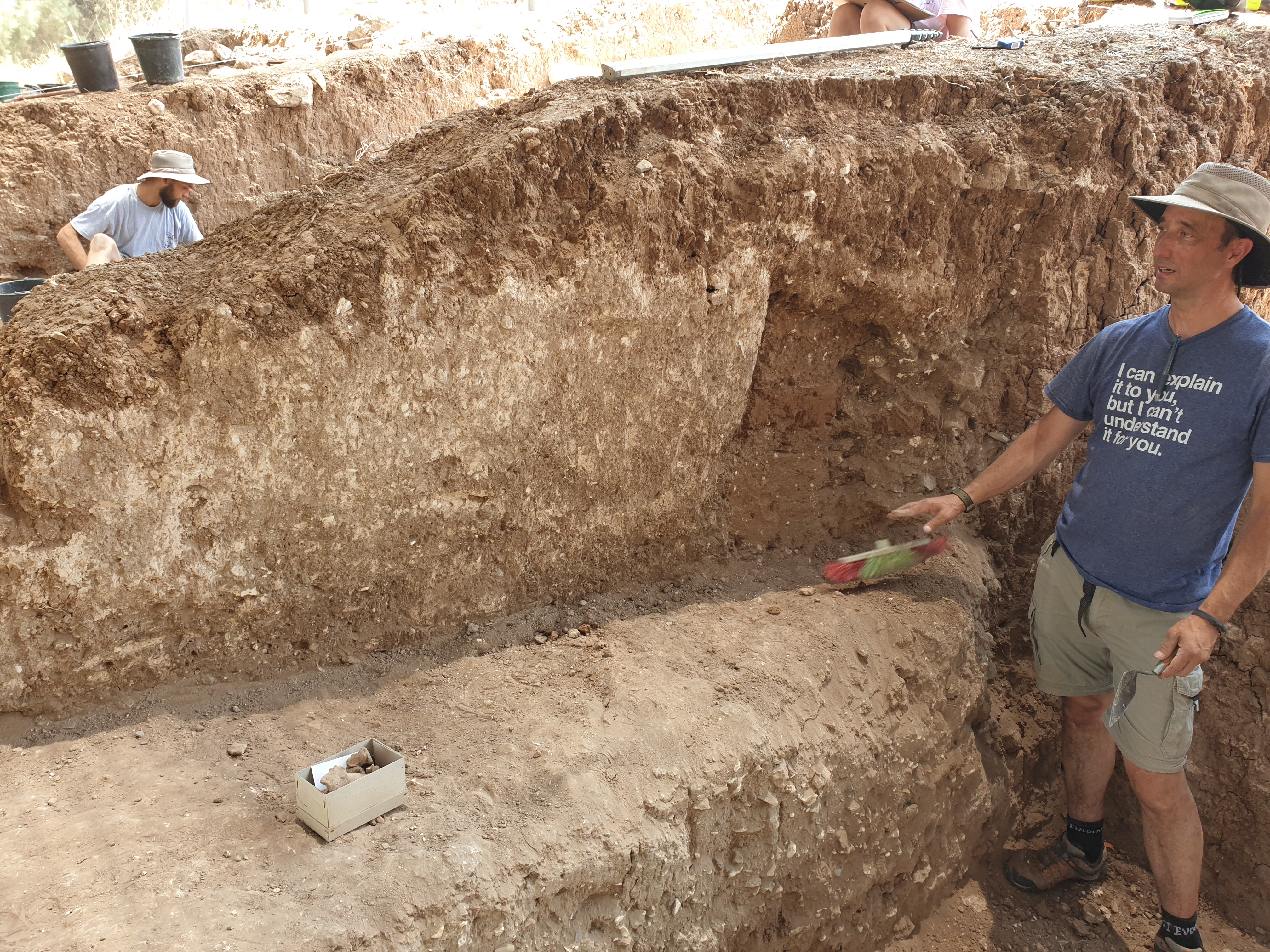

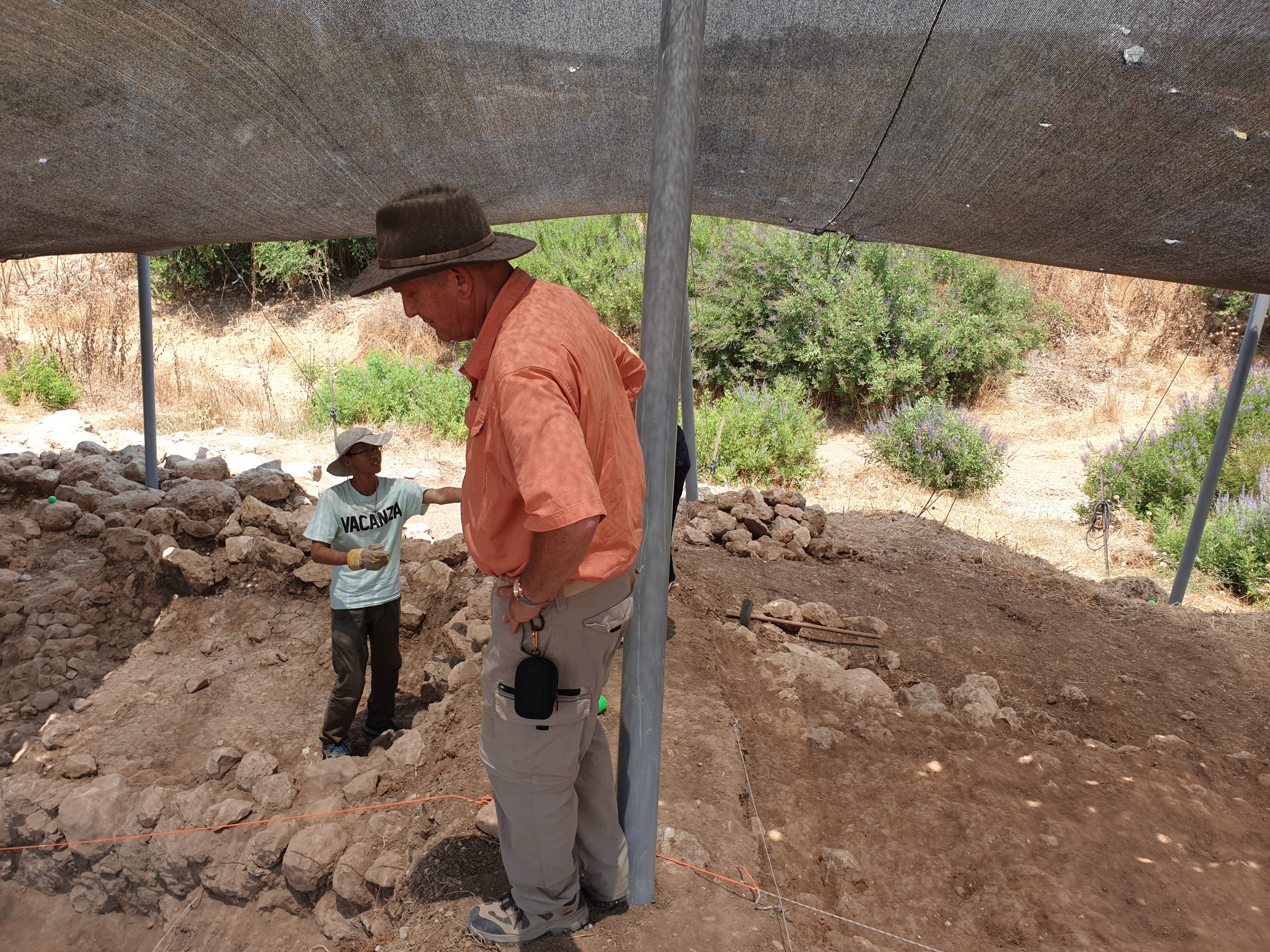
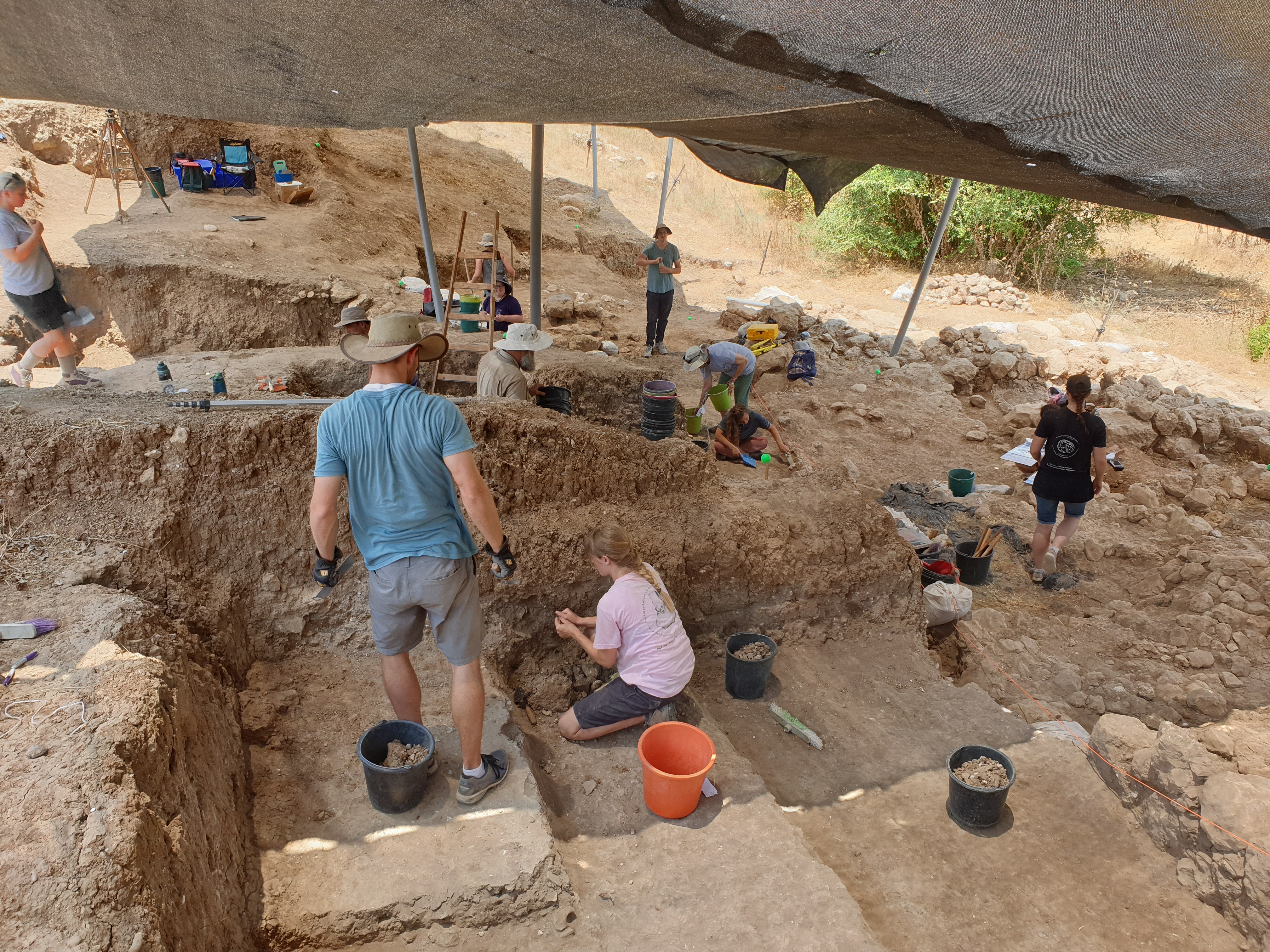




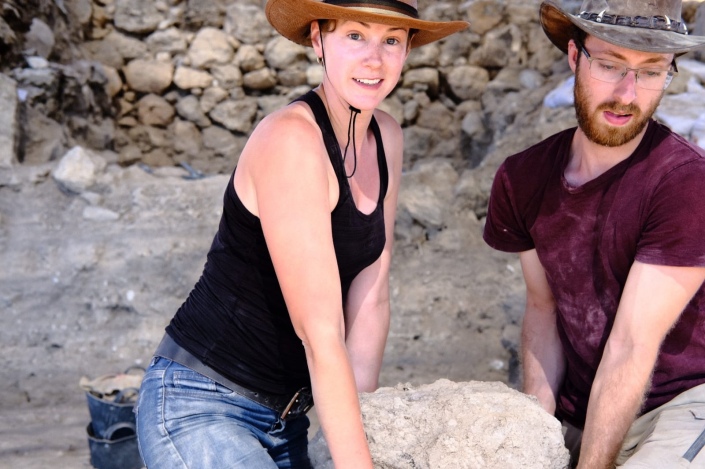
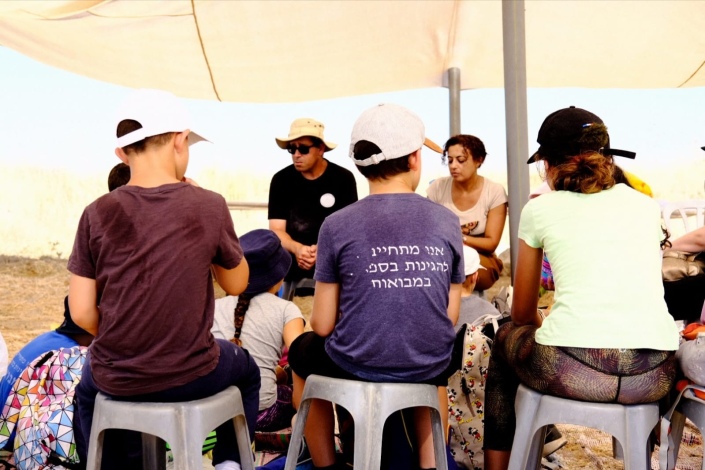




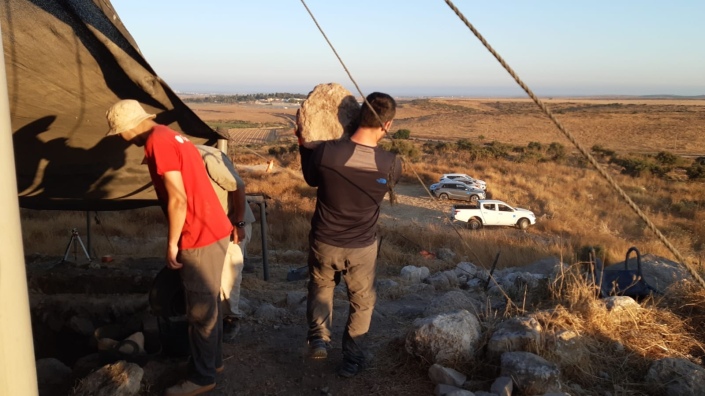
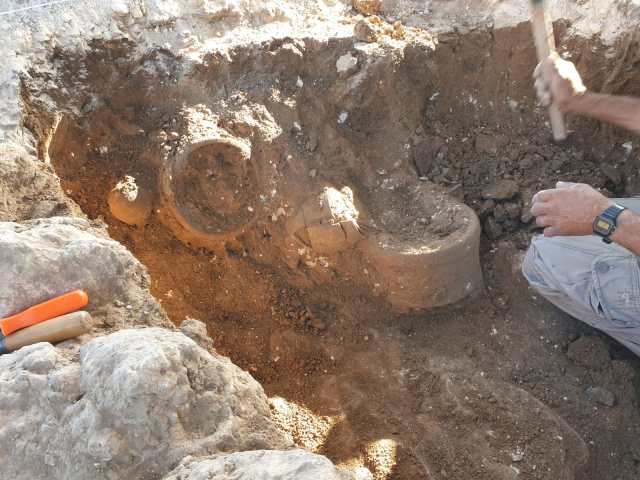
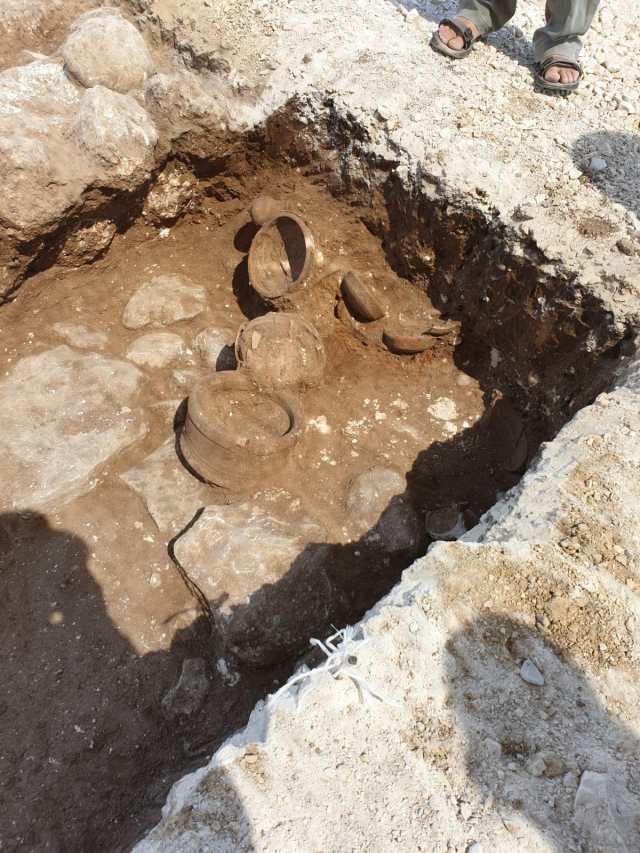
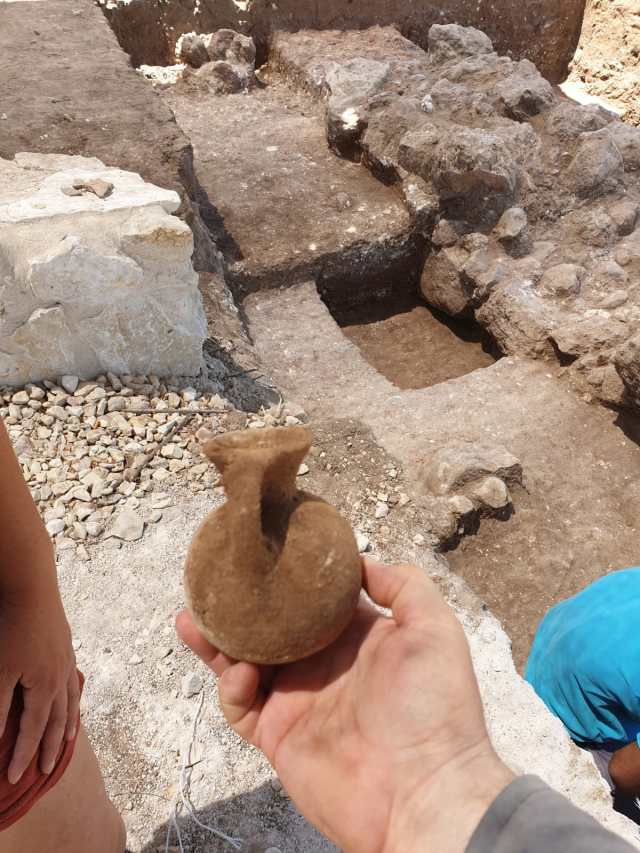


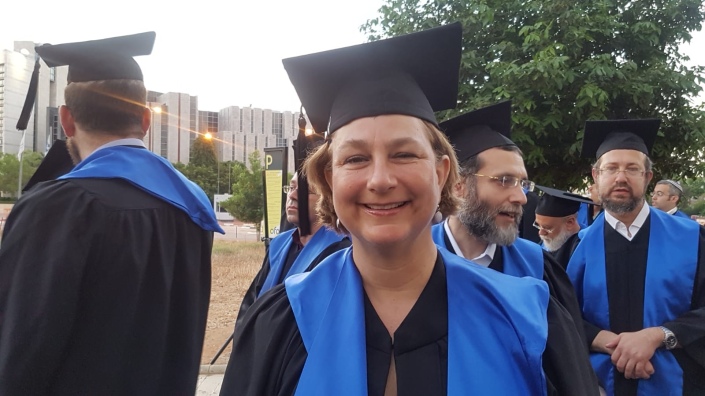
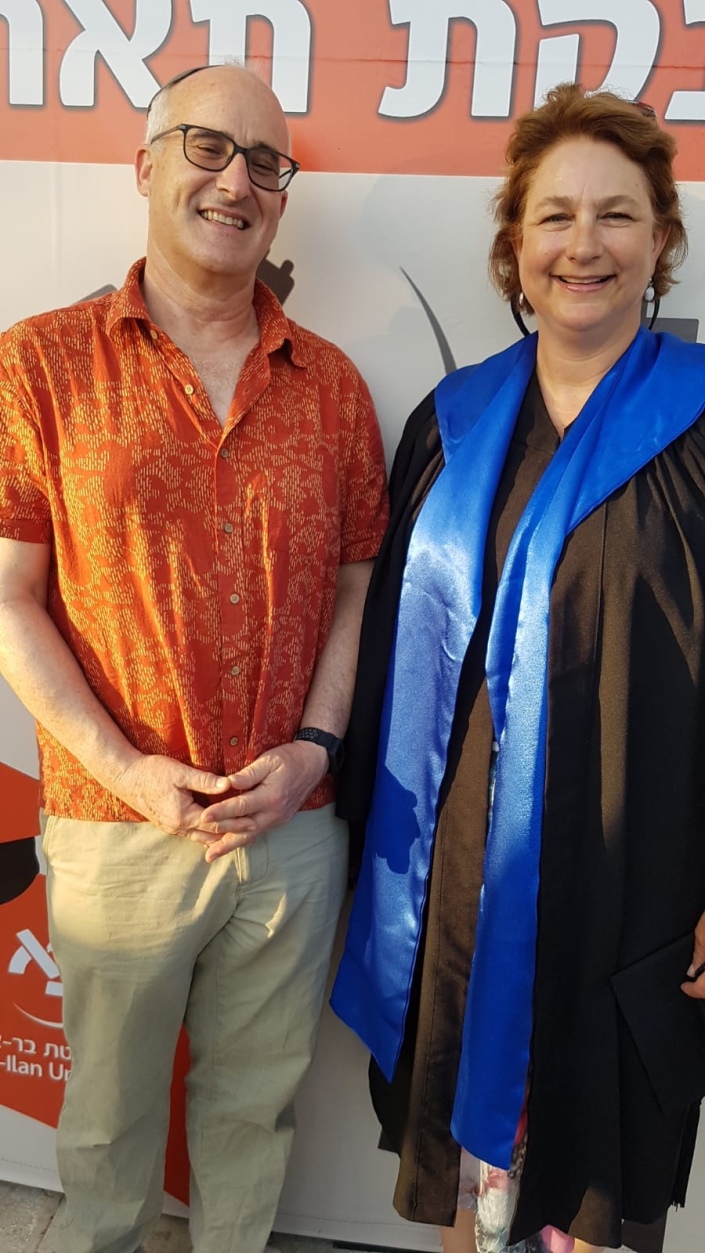
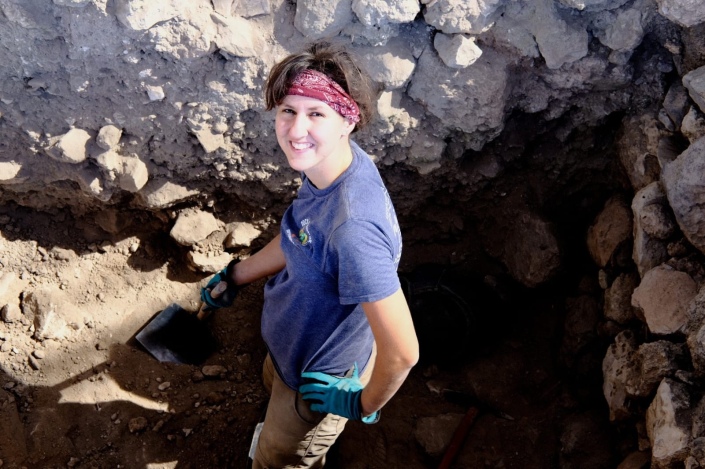



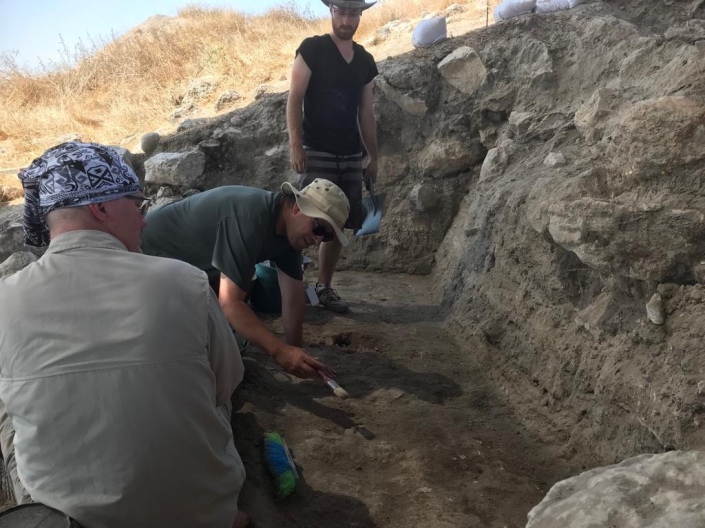


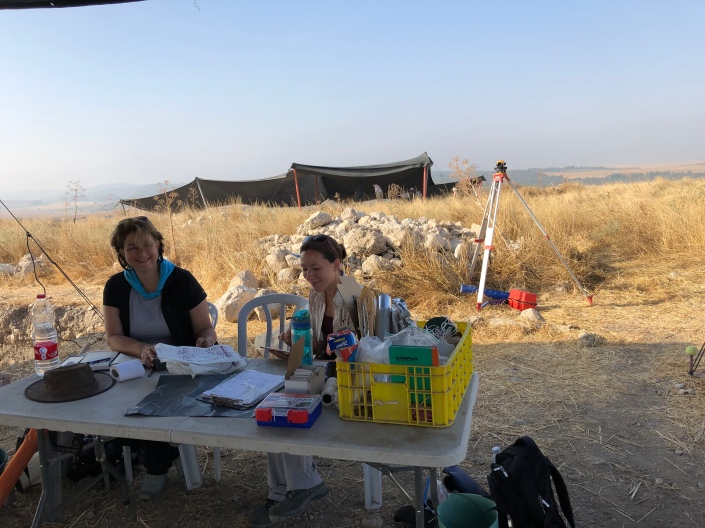


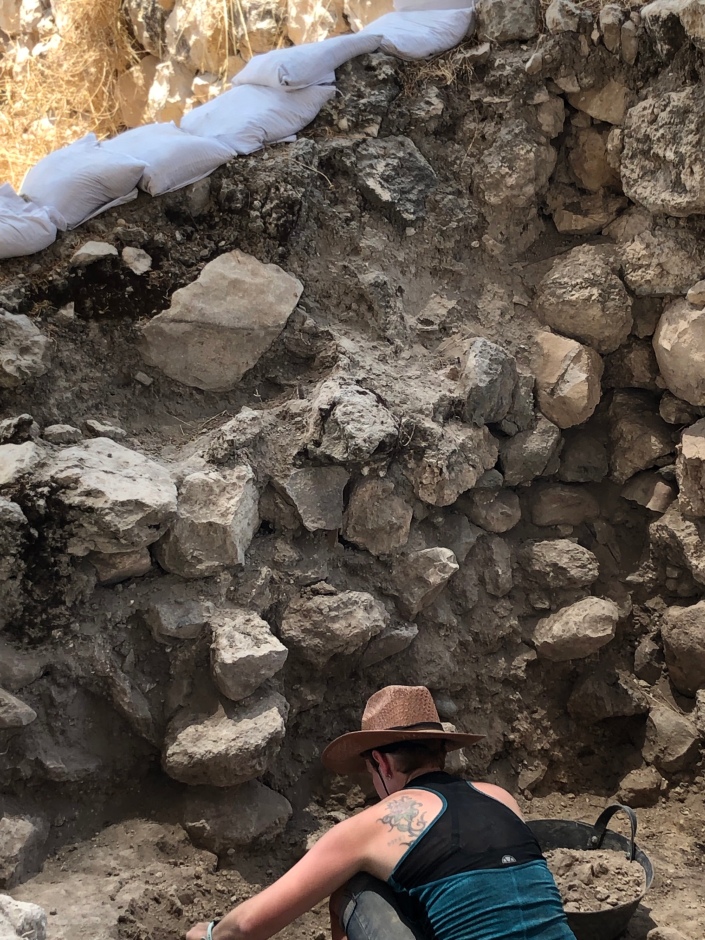

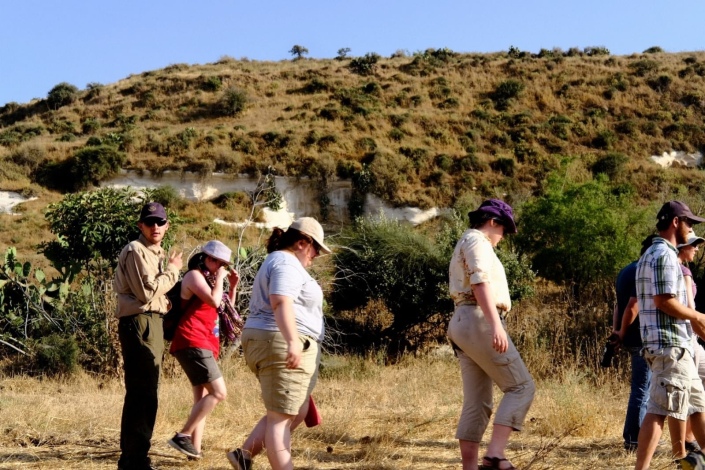


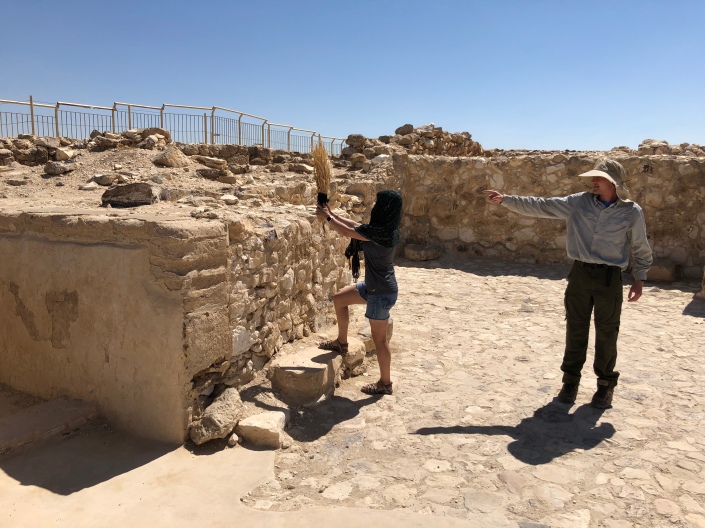

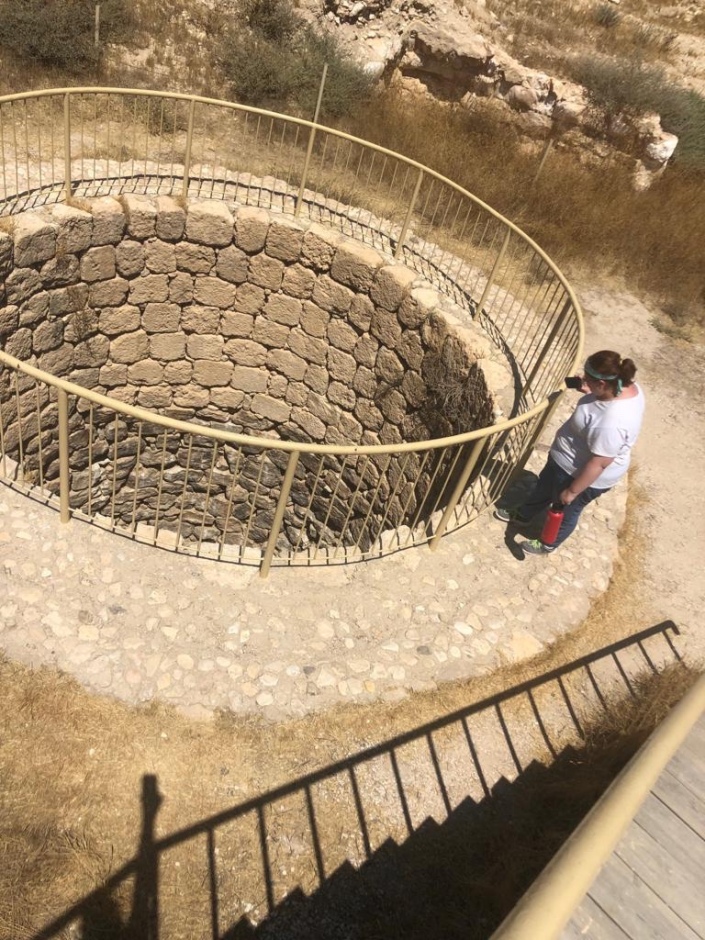




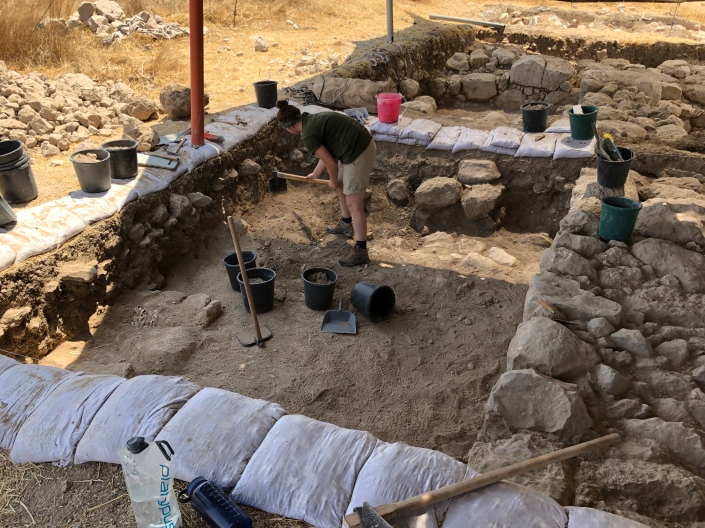
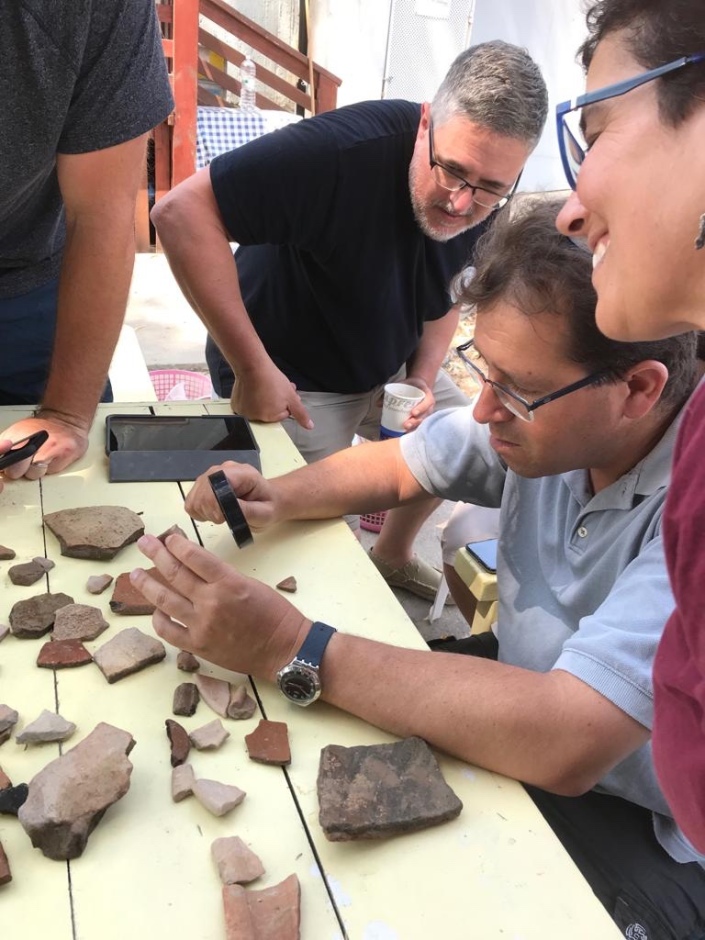
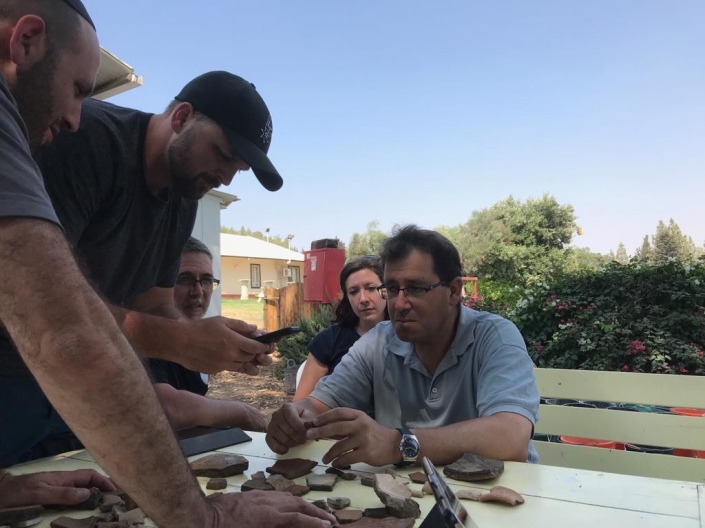


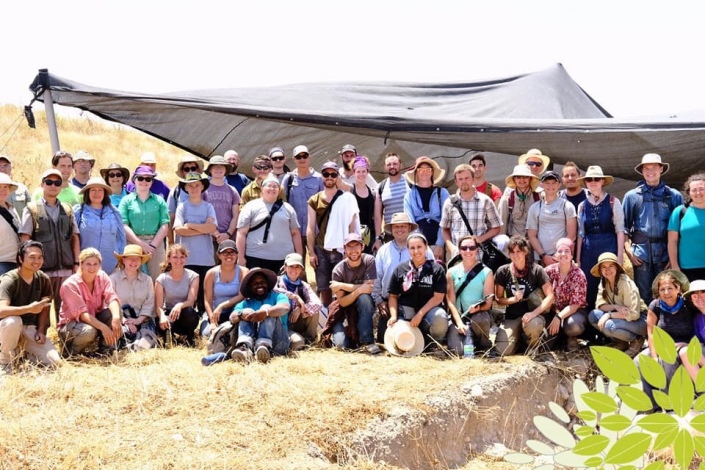


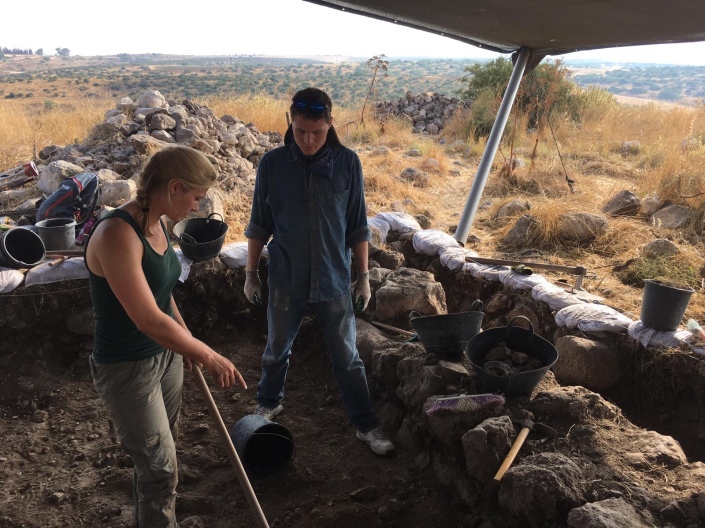
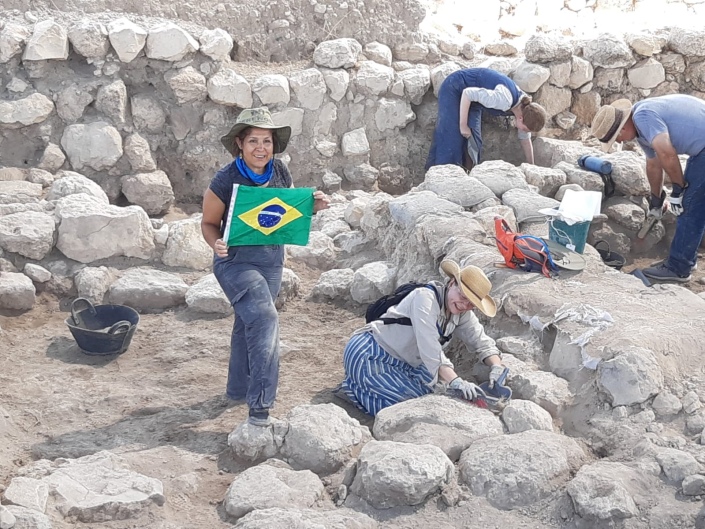


 Ancient Egypt Research Associates (Giza Plateau Mapping Project)
